

Hoof Repair for Horses With Cracks
Hoof cracks are among the most common and concerning issues facing horse owners and equine professionals. These structural defects can range from minor cosmetic blemishes to severe splits that compromise soundness and cause significant lameness. Understanding how to properly address hoof cracks is essential for maintaining your horse's comfort, performance, and long-term hoof health. For a full understanding of preventative measures, read our Effective Horse Hoof Care Routine Guide.
With over four decades of master farrier expertise, the approach to hoof crack repair has evolved to incorporate both traditional techniques and natural, high-performance solutions that support the hoof's innate healing capabilities. This comprehensive guide explores the types of hoof cracks, their underlying causes, and the most effective repair strategies available in 2026.
Understanding Different Types of Hoof Cracks
Not all hoof cracks are created equal, and identifying the specific type is the first step toward effective treatment. Vertical cracks run from the coronary band downward or from the ground surface upward, and are categorized by their location on the hoof wall. Toe cracks occur at the front of the hoof, quarter cracks appear on the sides, and heel cracks develop at the rear quarters.
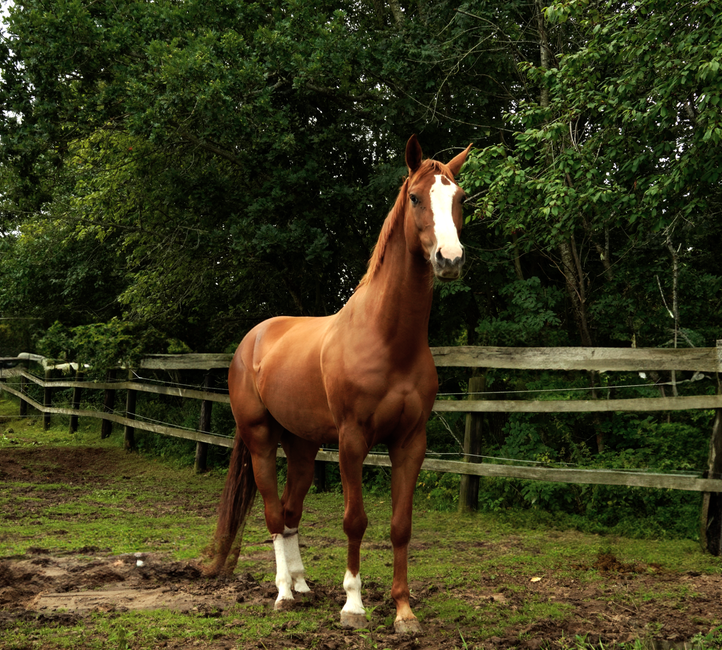
Horizontal cracks, also called blowout cracks, typically result from coronary band injuries or systemic illness that disrupted hoof growth. These cracks run parallel to the ground and grow out with the hoof wall over time. Grass cracks are superficial splits that don't penetrate the full thickness of the hoof wall and often pose minimal threat to soundness.
The severity classification matters significantly for treatment planning. Superficial cracks affect only the outer hoof wall layers, while deep cracks penetrate through to sensitive laminae. Full-thickness cracks extend completely through the hoof wall, potentially exposing the sensitive structures beneath and requiring immediate attention to prevent infection and further damage.
Root Causes Behind Hoof Cracking
Successful hoof crack repair requires addressing the underlying cause, not just the symptom. Imbalanced hoof conformation creates uneven stress distribution across the hoof capsule, causing certain areas to bear excessive loads that eventually result in structural failure. Poor trimming or shoeing practices that fail to maintain proper angles and balance contribute significantly to crack development.

Environmental factors play a substantial role in hoof integrity. Extreme moisture fluctuations cause the hoof wall to repeatedly expand and contract, weakening the structural bonds between horn tubules. Horses kept in excessively wet conditions develop soft, weak hooves prone to tearing, while those in extremely dry environments experience brittle hooves that crack under normal stress. Protecting hooves from environmental extremes is key. Learn more about Equine Hoof Protection From Mud.
Nutritional deficiencies compromise hoof wall quality from within. Inadequate protein, biotin, methionine, zinc, and copper limit the body's ability to produce strong, resilient hoof tissue. Systemic health issues, including metabolic disorders and laminitis, disrupt normal hoof growth patterns and create weak points in the hoof wall that are susceptible to cracking.
Professional Assessment and Repair Techniques
Proper hoof crack repair begins with thorough professional assessment by a qualified farrier or veterinarian. The practitioner examines the crack's location, depth, and length while evaluating the overall hoof balance and conformation. Radiographs may be necessary for deep or complicated cracks to assess involvement of the coffin bone and determine if infection has developed in underlying structures. For expert advice, see our Horse Hoof Care for Farriers: Expert Guide.

Traditional repair methods include stabilization techniques that prevent crack propagation while supporting the healing process. Farriers may use lacing, where wire or strong suture material is woven across the crack to hold edges together. Fiberglass or acrylic patches bonded to the hoof wall provide external reinforcement, while metal clips or plates screwed or glued to the hoof offer rigid stabilization for severe cracks.
Modern approaches increasingly incorporate natural hoof care principles that support the body's healing mechanisms. Rather than relying solely on mechanical fixes, these methods emphasize restoring hoof health through balanced trimming, appropriate movement, and topical treatments that nourish and strengthen hoof tissue. Products like natural hoof conditioners help maintain optimal moisture balance and flexibility, reducing the brittleness that contributes to crack formation.
Addressing Infection in Cracked Hooves
Deep hoof cracks create pathways for bacteria and fungi to invade sensitive structures, leading to infections that complicate healing. Thrush commonly develops in the moist environment within cracks, producing the characteristic foul odor and black, necrotic tissue. Left untreated, these infections can progress to more serious conditions affecting the deeper hoof structures.
Effective treatment requires both mechanical cleaning and antimicrobial intervention. The crack must be thoroughly debrided to remove all necrotic tissue and infected material, creating a clean environment conducive to healing. Specialized thrush treatments formulated with natural ingredients penetrate deep into cracks to eliminate pathogens while promoting healthy tissue regeneration.
Nutritional Support for Hoof Crack Prevention and Healing
The foundation of strong, crack-resistant hooves is built from the inside out through proper nutrition. High-quality protein provides the amino acids necessary for keratin production, the primary structural component of hoof wall. Biotin supplementation at 20-30 mg daily has demonstrated effectiveness in improving hoof quality and reducing crack incidence in numerous studies.

Essential minerals including zinc, copper, and selenium support the enzymatic processes involved in hoof wall synthesis and cross-linking. These minerals work synergistically, and imbalances can be as problematic as deficiencies. Omega-3 fatty acids from sources like flaxseed contribute to hoof moisture retention and flexibility, helping prevent the brittleness that leads to cracking.
While internal nutrition is critical, external nourishment through quality topical products accelerates healing and protects repaired areas. Regular application of conditioning treatments maintains the hoof's natural moisture balance, supports flexibility, and creates a protective barrier against environmental stressors that could compromise repair efforts.
Long-Term Management and Prevention Strategies
Successfully managing hoof cracks requires commitment to ongoing preventive care rather than reactive treatment. Consistent trimming schedules every 4-6 weeks maintain proper hoof balance and prevent the excessive growth that creates mechanical stress leading to cracks. Even horses that don't wear shoes benefit from regular professional attention to ensure optimal hoof form. Understanding Hoof Support for Horses: Complete Care Guide is vital for long-term health.
Environmental management significantly impacts hoof health. Providing dry standing areas with appropriate footing helps prevent the moisture-related weakening that predisposes hooves to cracking. Regular cleaning removes packed debris that can harbor bacteria and create pressure points against the hoof wall. Turnout schedules that allow for natural movement stimulate circulation and promote healthy hoof growth.
Proactive monitoring allows early intervention when small cracks first appear, before they progress to serious structural problems. Horse owners should inspect hooves daily, looking for new defects, changes in existing cracks, heat, swelling, or sensitivity that might indicate developing issues. Addressing minor problems promptly prevents the costly, time-consuming repairs required for advanced cases.
The Role of Movement and Circulation in Hoof Health
The equine hoof functions as a circulatory pump, with each step driving blood through the extensive vascular network within the foot. This mechanism delivers oxygen and nutrients essential for healing while removing metabolic waste products. Movement is medicine for horses recovering from hoof cracks, as appropriate exercise stimulates the circulation necessary for tissue repair and new hoof growth.
Controlled exercise programs tailored to the crack's severity support healing without risking further damage. Horses with minor superficial cracks may continue normal work with monitoring, while those with deep or full-thickness cracks require restricted activity during the initial healing phase. As repair progresses, gradually increasing movement on appropriate surfaces strengthens the healing tissue and promotes integration with surrounding hoof wall.
The natural movement patterns horses exhibit during pasture turnout provide ideal stimulus for hoof health. Unlike the repetitive stress of arena work, varied terrain encourages diverse loading patterns that develop well-rounded hoof structure. This natural conditioning, combined with proper nutrition and topical care, creates resilient hooves resistant to crack development. For complete information on fortifying hooves, review our guide on Hoof Hardening for Horses: Essential Guide.
Conclusion
Hoof crack repair requires a comprehensive approach that addresses immediate stabilization needs while supporting the body's natural healing processes. Understanding the different crack types, identifying underlying causes, and implementing appropriate repair techniques form the foundation of successful treatment. Professional assessment and intervention combined with diligent owner care create the optimal environment for healing.
The integration of traditional farrier techniques with natural, high-performance hoof care products offers horse owners the most effective path to restoring hoof integrity. By maintaining proper nutrition, managing environmental factors, ensuring regular professional care, and using quality topical treatments, horses can recover from existing cracks and develop stronger hooves resistant to future problems. The investment in preventive care and early intervention ultimately protects your horse's soundness, comfort, and long-term performance potential.