

Hoof Support for Horses: Complete Care Guide
The foundation of equine health starts from the ground up. A horse's hooves are complex structures that require consistent attention, proper nutrition, and preventive care to maintain optimal function. Whether you're a horse owner, farrier, or equine professional, understanding comprehensive hoof support is essential for keeping horses sound, comfortable, and performing at their best throughout their lives.
Proper hoof support encompasses multiple elements: regular maintenance, appropriate nutrition, environmental management, and timely intervention when problems arise. With over four decades of farrier expertise informing modern approaches, we now understand that natural, high-performance solutions can effectively address common hoof issues while promoting long-term hoof health.
Understanding Hoof Structure and Function
Horse hooves are living structures composed of sensitive and insensitive tissues working together to provide protection, shock absorption, and traction. The hoof wall, sole, frog, and internal structures like the coffin bone and laminae must all function harmoniously for optimal performance.
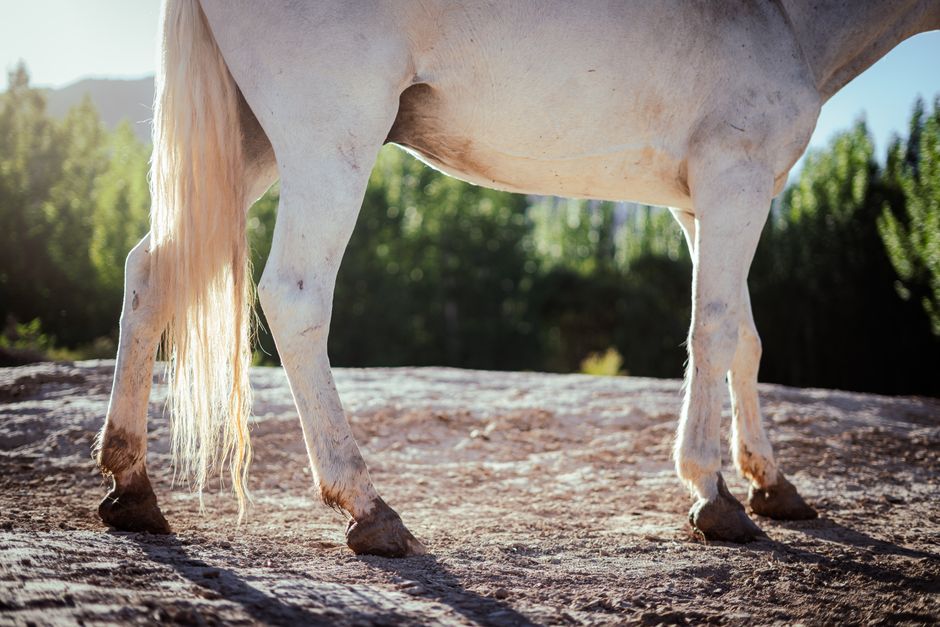
The hoof capsule constantly grows, requiring regular trimming or shoeing to maintain proper balance and function. However, external maintenance alone isn't sufficient. The internal structures need adequate blood flow, proper nutrition, and protection from pathogens that can compromise hoof integrity. Environmental factors such as moisture levels, footing conditions, and exposure to bacteria significantly impact hoof health.
Understanding this complexity helps horse owners appreciate why comprehensive hoof support requires a multifaceted approach rather than simply scheduling regular farrier visits.
Common Hoof Health Challenges
Several conditions commonly affect equine hooves, each requiring specific attention and treatment protocols. Thrush, a bacterial infection affecting the frog's central and lateral sulci, produces a characteristic foul odor and black discharge. Left untreated, thrush can progress deeper into sensitive tissue, causing lameness and discomfort.
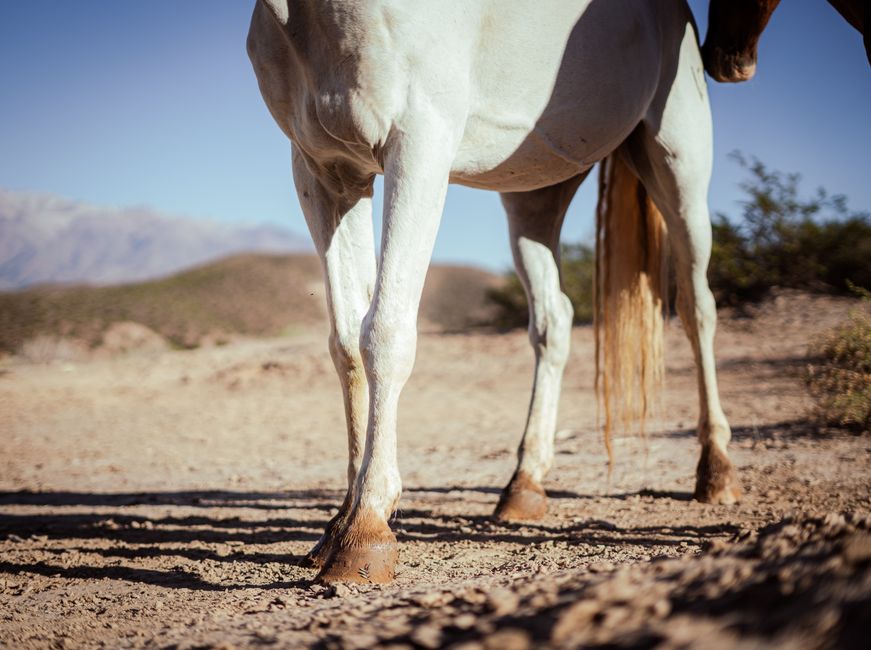
Canker represents a more serious condition involving chronic proliferative pododermatitis. This condition creates cheese-like material in the hoof's weight-bearing structures and requires persistent, dedicated treatment. White line disease, where separation occurs between the hoof wall and sole, allows bacteria and debris to invade, potentially causing significant structural damage.
Dry, cracked hooves plague many horses, particularly in arid climates or during winter months. These cracks compromise the hoof's protective barrier and can progress into deeper structures if not addressed. Effective thrush treatments and preventive care products can address these issues before they become serious problems.
Laminitis and founder represent emergency conditions where the laminae connecting the coffin bone to the hoof wall become inflamed and damaged. These horses require immediate veterinary attention and specialized support to manage pain and prevent permanent damage.
Natural Hoof Nourishment and Protection
Modern hoof care increasingly emphasizes natural solutions that work with the hoof's biology rather than against it. Quality hoof conditioners and oils help maintain optimal moisture balance, preventing both excessive drying and waterlogging that can create favorable conditions for bacterial growth.

Natural ingredients like essential oils possess inherent antimicrobial properties that help protect hooves from pathogenic bacteria while supporting healthy tissue. Unlike harsh chemical treatments that may damage sensitive structures, properly formulated natural products can penetrate deeply to nourish the hoof without causing irritation.
Regular application of natural hoof conditioners helps rebuild strength in compromised hooves while maintaining flexibility in healthy ones. This preventive approach reduces the likelihood of developing serious conditions that require more aggressive intervention.
The coronary band, where new hoof growth originates, particularly benefits from nourishment that supports healthy cell development. Products applied at the coronary band can influence the quality of hoof wall growing downward over subsequent months.
Specialized Treatment Protocols
When hoof problems develop despite preventive care, targeted treatment becomes necessary. Different conditions require specific approaches based on their underlying causes and severity. For bacterial infections like thrush, consistent application of antimicrobial treatments helps eliminate the infection while creating an environment conducive to healing.

Severe cases such as canker demand more intensive protocols. These situations benefit from specialized canker care products designed to address the unique challenges of proliferative tissue growth. Treatment consistency proves critical—sporadic application rarely achieves lasting results.
White line disease requires removal of separated hoof wall material combined with antimicrobial treatment to prevent bacterial proliferation in the exposed areas. Supporting the compromised hoof during treatment may require specialized shoeing or protective boots.
Horses experiencing laminitis or founder need immediate comfort measures alongside veterinary treatment. Comfort pads specifically designed for laminitis can provide crucial support during the acute phase and throughout recovery.
Integrating Hoof Care with Overall Equine Wellness
Hoof health doesn't exist in isolation—it reflects the horse's overall wellness. Proper nutrition, regular exercise, and environmental management all contribute to hoof quality. Horses require adequate protein, biotin, zinc, and other micronutrients to grow strong, resilient hoof tissue.
Regular movement promotes healthy blood flow to the hooves, supporting tissue health and growth. Studies from organizations like the American College of Sports Medicine demonstrate that consistent physical activity supports tissue health across species, including horses. The mechanical action of movement also helps maintain hoof shape and function.
Environmental management significantly impacts hoof health. Excessively wet conditions soften hooves and promote bacterial growth, while overly dry environments lead to brittle, cracked hooves. Providing varied footing and clean, well-drained living areas helps maintain optimal hoof condition.
Weight management also plays a role—excess weight increases stress on hoof structures and contributes to conditions like laminitis. Maintaining appropriate body condition through proper feeding and exercise supports hoof health along with overall wellness.
Building a Comprehensive Hoof Care Program
Effective hoof support requires consistent attention rather than sporadic intervention. Establishing a routine that includes daily hoof picking, regular inspection for early signs of problems, and scheduled farrier visits forms the foundation of preventive care.
Daily hoof picking removes debris that could create pressure points or harbor bacteria. This simple practice takes only minutes but prevents numerous problems. During picking, inspect each hoof for heat, odor, discharge, cracks, or other abnormalities. Early detection allows prompt treatment before minor issues become major problems.
Schedule professional farrier visits every six to eight weeks for most horses. Your farrier can identify developing issues, maintain proper hoof balance, and provide expert guidance on specific hoof concerns. Develop a collaborative relationship with your farrier—their expertise combined with your daily observations creates optimal outcomes.
Supplement regular maintenance with appropriate topical treatments. Apply hoof conditioners to maintain moisture balance, particularly during seasonal extremes. Keep antimicrobial treatments on hand for prompt application at the first sign of thrush or other bacterial issues.
Document your horse's hoof condition through photos and notes. This record helps track progress when treating specific conditions and identifies patterns that might indicate underlying issues requiring veterinary attention.
Conclusion
Comprehensive hoof support represents an essential investment in your horse's long-term soundness and performance. By understanding hoof structure, recognizing common problems, implementing preventive care, and addressing issues promptly with effective treatments, horse owners can maintain healthy hooves that support their horses' activities throughout their lives.
Natural, high-performance hoof care products backed by decades of farrier expertise offer effective solutions for both preventing and treating hoof problems. Combined with regular professional care, proper nutrition, and attentive daily management, these approaches help horses maintain the strong, flexible, well-protected hooves essential for comfort and performance. The commitment to consistent hoof care pays dividends in reduced lameness, improved performance, and enhanced quality of life for horses across all disciplines and activities.