

Natural Hoof Care Methods for Horses
Natural hoof care has gained significant momentum among horse owners and equine professionals who seek alternatives to traditional horseshoeing methods. Rooted in the understanding of wild horse hoof development and biomechanics, natural hoof care emphasizes allowing the hoof to function as nature intended while providing appropriate maintenance and support. This holistic approach focuses on diet, movement, proper trimming, and natural products to maintain optimal hoof health without relying on metal shoes.
The principles behind natural hoof care stem from observing feral horses and how their hooves adapt to various terrains and conditions. These horses naturally maintain healthy, strong hooves through constant movement, varied surfaces, and a diet appropriate to their evolutionary design. By applying these principles to domestic horses, owners can often achieve superior hoof health, improved biomechanics, and enhanced overall well-being. For a deeper dive into this subject, explore our Expert Guide to Natural Hoof Care.
Understanding the Natural Hoof Structure
Before implementing natural hoof care methods, it's essential to understand the complex structure of the equine hoof. The hoof capsule consists of the hoof wall, sole, frog, bars, and white line—each serving specific functions in shock absorption, traction, and circulation. The internal structures include sensitive laminae, coffin bone, digital cushion, and lateral cartilages, all working together to create a sophisticated biomechanical system.

In natural conditions, the hoof wall grows continuously and wears down at a balanced rate through regular movement over varied terrain. The frog makes ground contact with each step, pumping blood through the hoof and stimulating healthy tissue growth. The sole develops appropriate thickness to protect internal structures while remaining flexible enough to allow natural expansion. Understanding these functions helps horse owners recognize what healthy hooves should look like and how to maintain them naturally. For a comprehensive resource on maintaining barefoot hooves, consult our guide on Hoof Care for Barefoot Horses.
The white line serves as a critical connection point between the hoof wall and sole, and maintaining its integrity is essential for overall hoof health. When compromise occurs in this area, specialized treatment such as targeted white line care can help restore strength and prevent further deterioration.
Essential Components of Natural Hoof Care
Movement represents perhaps the most critical element of natural hoof care. Horses evolved to travel up to 20 miles daily, and this constant movement promotes circulation, encourages proper wear patterns, and stimulates healthy tissue development. Domestic horses living in stalls or small paddocks cannot achieve these natural movement patterns, leading to various hoof problems. Creating track systems, expanding turnout areas, and encouraging movement through strategic placement of water and feed can significantly improve hoof health.
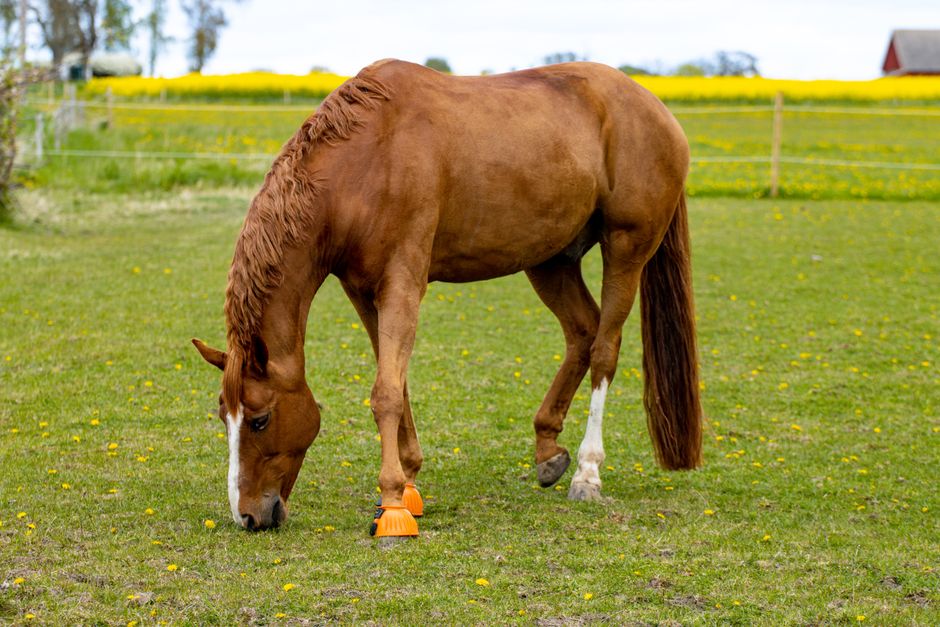
Diet plays an equally vital role in hoof quality. Wild horses consume primarily fibrous grasses and browse materials low in sugars and starches. Modern domestic diets often include too many concentrates and insufficient forage, leading to metabolic issues that manifest in the hooves. A species-appropriate diet rich in grass hay or pasture, with minimal processed feeds, supports healthy hoof growth from the inside out. Proper mineral balance, particularly adequate copper, zinc, and biotin, directly impacts hoof wall integrity and growth rates. For more information on nurturing strong hooves, read our guide on Strengthening Horse Hooves.
Trimming technique differs significantly in natural hoof care compared to traditional farriery. Natural trimmers focus on mimicking the wear patterns seen in wild horses, maintaining appropriate toe length, heel height, and bar structure while preserving sole thickness. Trims typically occur every 4-6 weeks, though frequency depends on individual growth rates and wear patterns. The goal is to support natural biomechanics rather than imposing artificial shapes or angles on the hoof.
Preventing and Treating Common Hoof Issues Naturally
Thrush remains one of the most common hoof problems affecting domestic horses, characterized by a foul-smelling black discharge in the frog's central and lateral sulci. This bacterial infection thrives in wet, anaerobic conditions and can progress deeply into sensitive tissues if left untreated. Natural prevention includes maintaining dry living conditions, regular hoof cleaning, and ensuring adequate air circulation. When thrush develops, effective natural thrush treatment can eliminate infection while supporting tissue regeneration without harsh chemicals. For information on other fungal issues, see our Equine Hoof Fungus Treatment Guide.

Canker represents a more severe condition involving chronic proliferative pododermatitis, where abnormal tissue growth affects the frog, sole, and sometimes the hoof wall. This challenging condition requires consistent treatment and environmental management. Natural approaches focus on removing diseased tissue, maintaining extremely dry conditions, and applying treatments that discourage pathological tissue growth while promoting healthy regrowth. For severe cases, specialized canker care products formulated with natural ingredients can provide effective management.
White line disease occurs when opportunistic organisms invade the white line, causing separation between the hoof wall and sole. This separation can extend deep into the hoof, compromising structural integrity. Prevention involves maintaining proper hoof balance, avoiding excessive moisture, and ensuring adequate movement for circulation. Treatment requires removing affected tissue and applying products that create an unfavorable environment for pathogens while supporting new growth.
Natural Conditioning and Maintenance Products
While movement and diet form the foundation of natural hoof care, topical products can support optimal hoof health when formulated with natural ingredients. The key is choosing products that work with the hoof's natural functions rather than sealing or artificially hardening the structure. Natural oils and conditioners should penetrate the hoof wall to provide moisture balance without preventing the escape of internal moisture or the absorption of beneficial environmental elements.

Quality natural hoof conditioners contain ingredients that nourish the hoof structure, restore flexibility to brittle walls, and support the natural moisture balance crucial for healthy hooves. These products prove particularly valuable during seasonal transitions, in extremely dry climates, or for horses with naturally brittle hooves. Application schedules should consider environmental conditions and individual hoof characteristics rather than following rigid daily routines. For more in-depth information, check out our guide on All Natural Horse Hoof Dressing.
Natural hoof care also emphasizes using products free from harsh chemicals, petroleum derivatives, and synthetic ingredients that might interfere with the hoof's natural functions. Master farriers with decades of experience recognize that the best products leverage time-tested natural ingredients combined with modern understanding of equine hoof biology.
Creating an Optimal Environment for Natural Hoof Health
The living environment dramatically impacts hoof health, regardless of other care practices. Horses standing in mud, urine-soaked bedding, or constantly wet conditions cannot maintain healthy hooves. Ideal environments provide dry areas where horses can stand, combined with varied terrain that encourages natural wear and stimulation. Track systems that incorporate different surfaces—including gravel, sand, dirt, and grass—promote balanced hoof development and strengthen various hoof structures.
Shelter should allow hooves to dry completely between wet periods, and high-traffic areas benefit from proper footing that drains well while providing appropriate firmness. Some horse owners create "mustang rolls" or graveled areas that encourage natural shaping and conditioning of the hoof. These environmental modifications often prove more valuable than any topical treatment in maintaining long-term hoof health.
Social dynamics also influence movement patterns and therefore hoof health. Horses in appropriate herd situations move more naturally, traveling to eat, drink, socialize, and play. This constant low-level activity throughout the day mimics natural behavior patterns and promotes superior hoof development compared to isolated horses that stand idle for long periods.
Transitioning to Natural Hoof Care
Horses transitioning from shoes to barefoot require patience and strategic management. The hoof structures adapted to shoes need time to develop strength and proper function. Most horses experience a transition period lasting several months where hooves may appear sensitive or tender, particularly on hard or rocky surfaces. This sensitivity doesn't necessarily indicate problems but rather reflects hooves adjusting to new functional demands.
During transition, protective boots provide temporary support for riding or challenging terrain while allowing the hoof to function naturally during turnout. Gradually increasing time on varied surfaces helps condition hooves without overwhelming them. Some horses transition easily within weeks, while others require months of patient conditioning, depending on previous hoof health, genetics, and environmental factors.
Working with knowledgeable natural hoof care practitioners who understand biomechanics and the transition process ensures the best outcomes. These professionals can assess individual hoof structures, identify potential challenges, and create customized care plans. They also recognize when intervention becomes necessary versus when patience allows natural adaptation to occur.
Conclusion
Natural hoof care methods offer horse owners a comprehensive approach to maintaining optimal hoof health by working with rather than against the horse's natural design. Through proper movement, species-appropriate diet, skilled trimming, supportive environments, and carefully selected natural products, most horses can thrive barefoot with strong, healthy hooves. This approach requires commitment and education but rewards owners with horses demonstrating improved soundness, comfort, and overall well-being. By understanding hoof structure and function, preventing common problems through good management, and addressing issues promptly with natural solutions, horse owners can successfully implement these methods and enjoy the benefits of truly healthy hooves for years to come.