

Equine Hoof Health Solutions: Expert Guide to Natural Hoof Care
The foundation of every horse's health begins with their hooves. As the old saying goes, "no hoof, no horse," and this wisdom remains as relevant in 2026 as ever. Understanding comprehensive equine hoof health solutions is essential for horse owners, farriers, and equine professionals who want to ensure their horses remain sound, comfortable, and performing at their best. With over four decades of master farrier expertise informing modern hoof care approaches, today's natural solutions offer effective ways to address common hoof problems while promoting long-term strength and resilience.
Understanding the Anatomy of a Healthy Hoof
Before addressing hoof problems, it's crucial to understand what constitutes a healthy hoof. The equine hoof is a complex structure comprising the hoof wall, sole, frog, bars, and internal structures like the coffin bone, navicular bone, and sensitive laminae. Each component plays a vital role in shock absorption, traction, and overall soundness.
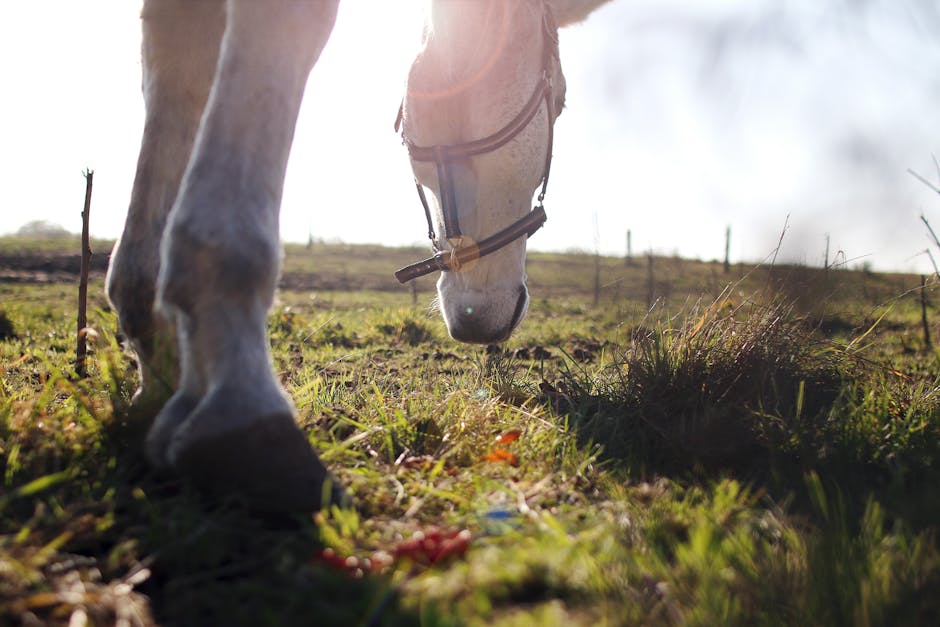
A healthy hoof displays several key characteristics: a smooth, intact hoof wall without cracks or separations; a slightly concave sole that provides protection without excessive thickness; a firm, flexible frog with a well-defined central sulcus; and proper angle alignment that distributes weight evenly. The hoof should also demonstrate appropriate moisture balance—neither too dry and brittle nor excessively soft and prone to bacterial invasion.
Environmental factors, nutrition, genetics, and management practices all influence hoof quality. Horses maintained in consistently wet conditions face different challenges than those in arid climates. Similarly, horses with metabolic issues or those subjected to irregular trimming schedules may develop preventable hoof problems. Recognizing these variables helps owners implement targeted solutions that address root causes rather than merely treating symptoms.
Common Hoof Problems Affecting Performance and Comfort
Despite best efforts, horses frequently encounter hoof health challenges that require intervention. Thrush, one of the most prevalent conditions, occurs when anaerobic bacteria invade the frog tissue, particularly the central and lateral sulci. This infection produces a characteristic foul odor and black discharge, causing discomfort and potential lameness if left untreated. Thrush treatment for horses addresses this bacterial invasion with natural antimicrobial ingredients that penetrate deeply without causing tissue damage.
White line disease represents another serious concern, where opportunistic microorganisms separate the inner hoof wall from the sole at the white line junction. This separation creates cavities that weaken structural integrity and can lead to catastrophic hoof wall loss if ignored. The condition often develops silently, making regular inspection critical for early detection.
Canker, though less common than thrush, presents a more challenging condition characterized by chronic proliferative pododermatitis. This aggressive condition causes abnormal tissue growth on the frog and sole, producing a cottage cheese-like material with a distinctly unpleasant odor. Traditional treatments often prove frustrating and lengthy, requiring persistent application of specialized products. Specialized canker care solutions combining natural antimicrobial agents with tissue-strengthening compounds offer hope for managing this stubborn condition.
Laminitis and founder remain among the most serious hoof-related emergencies. These conditions involve inflammation and potential separation of the laminae connecting the hoof wall to the coffin bone. Causes range from metabolic disorders and grain overload to concussive trauma and hormonal imbalances. Beyond addressing underlying causes, affected horses benefit from comfort measures that reduce pressure on compromised structures.
Natural Solutions for Hoof Strength and Flexibility
Modern equine care increasingly emphasizes natural, high-performance solutions that work with the horse's biology rather than against it. These approaches leverage botanical extracts, essential oils, and time-tested farrier knowledge to address hoof problems effectively while minimizing harsh chemical exposure.
Natural hoof conditioners play a fundamental role in maintaining optimal moisture balance. Unlike petroleum-based products that merely create surface barriers, quality natural hoof conditioners penetrate the hoof structure, delivering nourishment to deeper layers while allowing the hoof to breathe. These formulations typically incorporate ingredients like lanolin, plant oils, and vitamin E to restore flexibility without oversoftening, particularly beneficial for horses with dry, cracked hooves or those in challenging climates.
Antimicrobial treatments formulated from natural sources provide powerful infection control without the tissue-damaging effects of caustic chemicals. Tea tree oil, thyme oil, and other botanical antimicrobials demonstrate proven effectiveness against the bacteria and fungi responsible for common hoof infections. When combined with delivery systems that enhance penetration and adherence, these natural agents reach infection sites even in challenging environments.
The key to successful natural hoof care lies in consistent application and proper technique. Products must reach affected tissues, which often requires cleaning the hoof thoroughly before treatment. Regular maintenance prevents minor issues from escalating into major problems requiring veterinary intervention.
Daily Hoof Care Practices for Prevention
Preventing hoof problems proves far more effective and economical than treating established conditions. A comprehensive daily routine forms the cornerstone of hoof health maintenance, requiring only minutes but delivering significant benefits over time.

Daily hoof picking removes debris, manure, and mud that trap moisture and create ideal conditions for bacterial growth. This simple practice allows early detection of problems like loose shoes, lodged stones, puncture wounds, or developing infections. During picking, examine the entire hoof structure, noting any changes in smell, texture, or appearance.
Environmental management significantly impacts hoof health. Providing dry standing areas, especially during wet seasons, prevents the chronic moisture exposure that weakens hoof structure and promotes bacterial invasion. Conversely, in dry climates, periodic water exposure or conditioning treatments prevent excessive dryness and cracking.
Regular professional farrier care maintains proper hoof balance and mechanical function. Most horses benefit from trimming or shoeing every six to eight weeks, though individual needs vary based on growth rate, work level, and hoof quality. Maintaining consistent farrier schedules prevents problems arising from overgrown or imbalanced hooves.
Nutrition profoundly influences hoof quality, as hooves grow approximately one-quarter to three-eighths of an inch monthly. Adequate protein, essential fatty acids, biotin, zinc, and other micronutrients support strong, resilient hoof growth. Addressing nutritional deficiencies often improves hoof quality noticeably within six to nine months as new growth replaces compromised tissue.
Specialized Solutions for Specific Conditions
While preventive care handles most hoof health maintenance, specific conditions demand targeted interventions. Understanding which solutions address particular problems enables more effective treatment outcomes and faster recovery.
For white line disease and severe thrush extending into deep crevices, treatments must penetrate affected areas while adhering long enough to exert antimicrobial effects. Products formulated with controlled viscosity stay in place while delivering active ingredients to infection sites, essential for treating hard-to-reach areas like deep central sulcus infections.
Horses recovering from laminitis or experiencing founder require pressure relief alongside infection prevention and comfort support. Specialized comfort pads designed for laminitis cases provide cushioning that reduces coffin bone pressure while supporting proper weight distribution during the critical healing phase.
Managing multiple hoof conditions simultaneously requires strategic product selection. Some horses present with thrush in one hoof, white line separation in another, and general dryness throughout. Understanding product formulations helps determine which solutions can address multiple concerns versus those requiring condition-specific applications.
Integrating Professional Expertise with Owner Vigilance
Optimal hoof health results from collaboration between horse owners, farriers, and veterinarians. Each plays distinct roles in maintaining soundness and addressing problems effectively when they arise.
Horse owners provide daily observation, noticing subtle changes that might indicate developing problems. This vigilance enables early intervention, often preventing minor issues from progressing to serious conditions. Owners also implement maintenance routines, apply treatments as prescribed, and manage environmental factors within their control.
Master farriers contribute specialized knowledge about hoof mechanics, balance, and corrective approaches. Their expertise guides trimming strategies, shoeing decisions, and recommendations for addressing specific conformational or pathological challenges. Farriers with decades of experience understand how different hoof structures respond to various interventions, information invaluable for developing effective treatment plans.
Veterinarians diagnose serious conditions, prescribe medications when necessary, and guide treatment strategies for complex cases. Conditions like laminitis often require veterinary oversight to address underlying systemic causes while managing hoof-level symptoms.
This collaborative approach, combined with high-quality natural products informed by farrier expertise, provides horses the comprehensive care needed for maintaining healthy hooves throughout their lives. The investment in proper hoof care pays dividends in soundness, performance, and longevity.
Conclusion: Building a Foundation for Lifelong Soundness
Equine hoof health solutions have evolved significantly, blending traditional farrier wisdom with natural, scientifically-informed products that address root causes rather than merely masking symptoms. Whether managing common conditions like thrush and white line disease or supporting horses through serious challenges like canker or laminitis, today's natural solutions offer effective options backed by decades of practical experience.
The key to successful hoof care lies in prevention through daily maintenance, early problem recognition, and prompt treatment with appropriate solutions. By understanding hoof anatomy, recognizing common conditions, implementing consistent care routines, and utilizing high-performance natural products, horse owners and professionals can maintain the foundation of equine health—strong, flexible, sound hooves that support years of comfortable, productive life.