

Effective Horse Hoof Moisturizer: Complete Guide to Optimal Hoof Health
Maintaining optimal hoof health is one of the most critical aspects of horse care, and selecting an effective horse hoof moisturizer can make the difference between strong, resilient hooves and costly veterinary interventions. Professional farriers and equine veterinarians consistently emphasize that proper hoof moisture balance is essential for preventing cracks, brittleness, and serious conditions like thrush and white line disease.
The horse's hoof is a complex structure that requires careful attention to moisture levels. Too little moisture leads to brittle, cracking hooves that are prone to injury, while excessive moisture can create an environment for bacterial and fungal infections. An effective hoof moisturizer helps maintain the delicate balance needed for optimal hoof integrity and performance.
Understanding Hoof Moisture Requirements
The equine hoof wall contains approximately 25% water content when healthy, but this percentage can fluctuate dramatically based on environmental conditions, season, and care practices. During dry periods or in arid climates, hooves can lose moisture rapidly, becoming hard and brittle. Conversely, in wet conditions, hooves may absorb too much moisture, leading to softening and increased susceptibility to bacterial infections.

Professional farriers with decades of experience understand that hoof moisture management requires a systematic approach. The hoof wall, sole, and frog each have different moisture needs and absorption rates. An effective moisturizer must address these varying requirements while providing protection against environmental extremes.
The molecular structure of quality hoof moisturizers allows for deep penetration into the horn tubules while creating a protective barrier on the surface. This dual action ensures that moisture is retained where needed while preventing excessive water absorption during wet conditions.
Key Ingredients in Professional-Grade Hoof Moisturizers
Natural ingredients consistently outperform synthetic alternatives in hoof care applications. Lanolin, derived from sheep's wool, provides exceptional moisture retention properties and closely mimics the natural oils found in healthy hooves. This ingredient penetrates deeply while forming a protective barrier that doesn't interfere with the hoof's natural breathing process.

Beeswax serves as an excellent carrier agent and provides water-resistant properties without completely sealing the hoof. Quality moisturizers often combine beeswax with other natural waxes to create the optimal consistency and protection level.
Pine tar has been used in hoof care for centuries due to its natural antiseptic properties and ability to toughen soft horn. When properly processed and combined with moisturizing agents, pine tar helps maintain hoof integrity while providing antimicrobial benefits.
Essential oils such as tea tree oil and oregano oil offer natural antifungal and antibacterial properties. These ingredients help prevent opportunistic infections while supporting the hoof's natural defense mechanisms. However, the concentration must be carefully balanced to avoid irritation while maintaining effectiveness.
Master farriers emphasize that the best hoof moisturizers contain a synergistic blend of natural ingredients that work together to support the hoof's complex biological processes rather than simply coating the surface.
Application Techniques for Maximum Effectiveness
Proper application technique significantly impacts the effectiveness of any hoof moisturizer. The hoof should be clean and dry before application, with all debris removed from the sole and frog areas. Using a stiff brush to remove embedded dirt ensures that the moisturizer can penetrate effectively rather than sitting on top of contaminated surfaces.
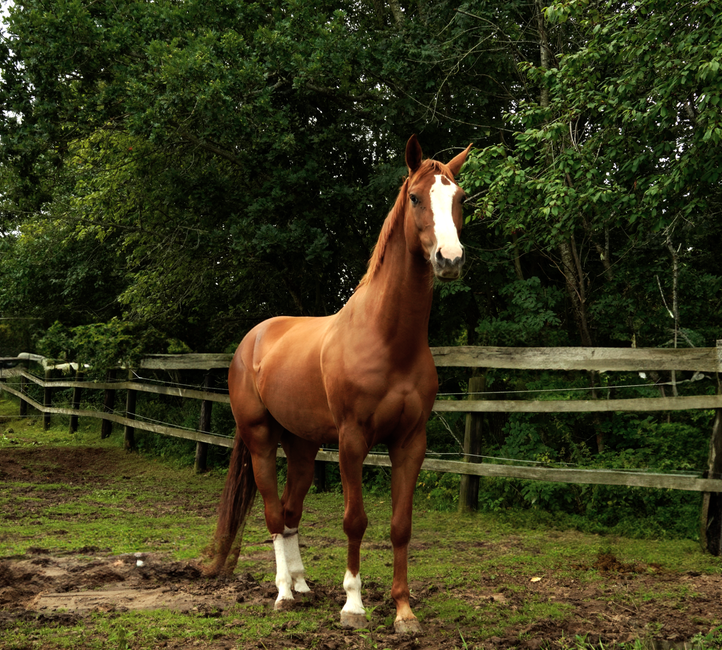
Apply moisturizer to the entire hoof wall, paying special attention to the coronet band where new horn growth originates. Work the product into the horn tubules using circular motions, ensuring complete coverage without over-application that could attract dirt and debris.
The sole and frog require different treatment approaches. These areas should receive moisturizer only when necessary, as excessive softening can compromise their protective function. Focus application on the frog's central sulcus and any areas showing signs of dryness or cracking.
Frequency of application varies based on environmental conditions, horse activity level, and individual hoof characteristics. During dry periods, daily application may be necessary, while humid conditions might require application only two to three times per week. Monitor hoof condition closely and adjust frequency accordingly.
Seasonal Considerations and Environmental Factors
Environmental conditions dramatically impact hoof moisture requirements throughout the year. Winter conditions present unique challenges as cold, dry air can rapidly dehydrate hooves. Snow and ice exposure, combined with frequent wet-dry cycles from barn to pasture transitions, stress the hoof wall and increase cracking risks.
During winter months, increase application frequency and consider using products with enhanced penetration capabilities. Pay particular attention to the heel area, which bears increased stress in winter conditions and is prone to developing cracks that can become serious if left untreated.
Summer heat and drought create different challenges as hooves lose moisture rapidly in hot, dry conditions. Hard, sun-baked ground increases concussion forces while dry air strips moisture from the hoof wall. Effective summer hoof care requires products that provide deep moisture penetration while offering protection against UV damage and excessive heat.
According to the American Association of Equine Practitioners, seasonal hoof care adjustments are essential for maintaining optimal hoof health year-round. Their research indicates that proactive moisture management prevents many common hoof problems that become expensive to treat once established.
Choosing Between Commercial and Natural Formulations
The market offers numerous hoof moisturizer options, ranging from commercial petroleum-based products to natural formulations developed by experienced farriers. Understanding the differences helps horse owners make informed decisions based on their specific needs and preferences.
Commercial products often provide convenience and consistent availability but may contain synthetic ingredients that don't integrate well with the hoof's natural processes. Many commercial moisturizers create a surface coating rather than true moisture penetration, potentially trapping bacteria and debris against the hoof wall.
Natural formulations, particularly those developed by master farriers with decades of practical experience, typically offer superior integration with hoof biology. These products work with the hoof's natural moisture regulation systems rather than overwhelming them with synthetic barriers.
The University of Minnesota Extension Service research demonstrates that natural ingredients consistently show better long-term results in hoof health maintenance. Their studies indicate that horses treated with natural moisturizers show improved hoof wall quality and reduced infection rates compared to those treated with synthetic alternatives.
Quality natural products often cost more initially but provide better value through reduced veterinary expenses and improved hoof performance. The investment in professional-grade natural moisturizers typically pays dividends through enhanced hoof integrity and reduced lameness issues.
Professional Recommendations and Expert Insights
Master farriers consistently emphasize the importance of understanding individual horse needs when selecting hoof moisturizers. Horses with thin-walled hooves require different care approaches than those with thick, hard walls. Similarly, performance horses face different challenges than pleasure horses or pasture-kept animals.
Professional farriers recommend establishing a comprehensive hoof care routine that includes regular cleaning, proper trimming schedules, and consistent moisture management. The most effective approach combines quality products with proper technique and regular monitoring.
Preventive care consistently outperforms reactive treatment in both effectiveness and cost efficiency. Maintaining optimal hoof moisture levels prevents the development of serious conditions that require extensive treatment and recovery time.
The American Veterinary Medical Association guidelines emphasize that hoof care represents one of the most important aspects of equine health management. Their recommendations support using natural, penetrating moisturizers as part of a comprehensive hoof health program.
Experienced farriers also stress the importance of consistency in application and monitoring. Sporadic treatment provides minimal benefits compared to regular, systematic care that addresses the hoof's ongoing needs.
Conclusion
Selecting an effective horse hoof moisturizer requires understanding the complex needs of equine hoof structures and the environmental factors that impact moisture balance. Natural formulations developed by experienced farriers consistently outperform synthetic alternatives in supporting long-term hoof health and integrity.
Proper application technique, seasonal adjustments, and consistent monitoring are essential components of effective hoof moisture management. The investment in quality natural products and systematic care practices pays dividends through improved hoof performance, reduced veterinary costs, and enhanced horse comfort and soundness.
By prioritizing natural ingredients, proven formulations, and professional-grade products, horse owners can maintain optimal hoof health while preventing the development of serious conditions that compromise performance and welfare. Remember that the best hoof moisturizer is one that works harmoniously with the hoof's natural processes while providing protection against environmental challenges.