

Holistic Approach to Horse Hoof Problems
Horse hoof health extends far beyond simple surface treatments and quick fixes. A truly effective approach to managing hoof problems requires understanding the complex relationship between nutrition, environment, genetics, management practices, and targeted therapeutic interventions. When horse owners and equine professionals embrace a holistic methodology, they create sustainable solutions that address root causes rather than merely treating symptoms.
The foundation of holistic hoof care recognizes that healthy hooves are a reflection of overall equine wellness. This comprehensive approach integrates traditional farriery expertise with modern understanding of equine physiology, creating treatment protocols that support the horse's natural healing processes while preventing future complications.
Understanding the Root Causes of Hoof Problems
Most hoof issues stem from multifactorial origins that require comprehensive assessment to identify effectively. Poor nutrition often plays a primary role, as deficiencies in essential minerals like zinc, copper, and biotin directly impact hoof wall quality and growth rates. Environmental factors such as excessive moisture, unsanitary conditions, or prolonged dry periods can create conditions favorable for bacterial and fungal infections.
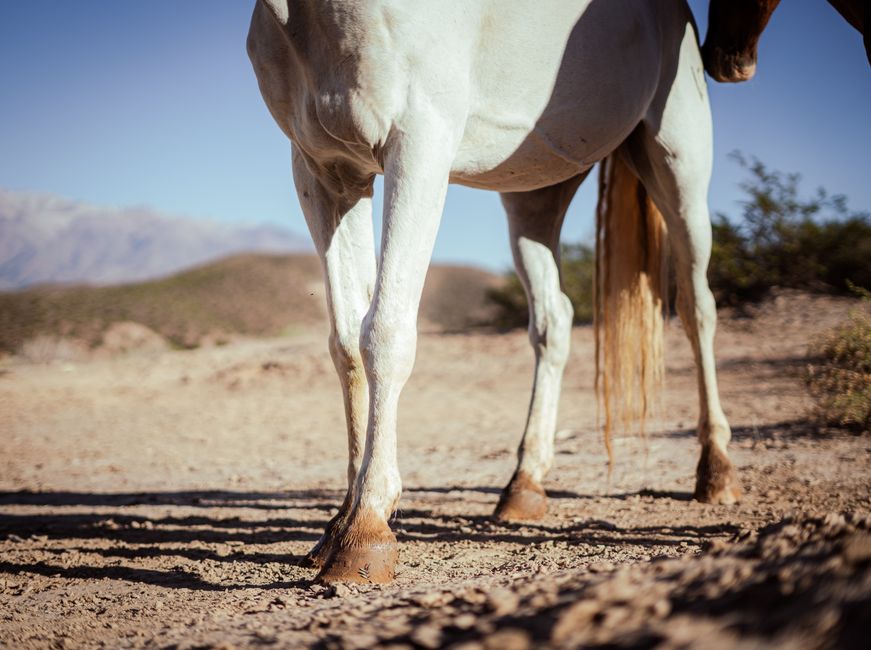
Mechanical stress from improper trimming, inappropriate shoeing, or unbalanced movement patterns can lead to structural weaknesses that manifest as cracks, chips, or lameness issues. Systemic health problems, including metabolic disorders like insulin resistance or Cushing's disease, often present their first symptoms through deteriorating hoof quality.
Understanding these interconnected factors allows horse owners to develop targeted interventions that address specific deficiencies while supporting overall hoof integrity. This foundation enables more effective treatment outcomes and reduces the likelihood of recurring problems.
Nutritional Foundations for Healthy Hooves
Optimal hoof health begins with proper nutrition that provides essential building blocks for strong, resilient hoof structures. Quality protein sources supply amino acids necessary for keratin production, while specific vitamins and minerals support cellular regeneration and structural integrity.

Biotin supplementation has demonstrated significant benefits for hoof wall strength and growth rate, particularly when combined with zinc and methionine. According to the American Animal Hospital Association, consistent nutritional support over 6-12 months typically produces measurable improvements in hoof quality.
Essential fatty acids from sources like flaxseed or fish oil contribute to hoof flexibility and moisture retention. Vitamin E and selenium work synergistically as antioxidants, protecting developing hoof tissue from oxidative damage that can weaken structural components.
Adequate water intake remains crucial for maintaining proper hoof moisture content and supporting metabolic processes involved in hoof regeneration. Fresh, clean water should always be available, with particular attention during hot weather or increased activity periods.
Environmental Management Strategies
Creating optimal environmental conditions significantly impacts hoof health outcomes and prevents many common problems from developing. Proper drainage in paddocks and stalls prevents prolonged exposure to moisture that promotes bacterial and fungal growth, particularly conditions like thrush and canker.

Regular cleaning of living areas removes accumulated organic matter that harbors harmful microorganisms. Implementing rotation schedules for pastures allows areas to dry and reduces parasite loads that can affect overall health and immunity.
Providing appropriate surfaces for natural hoof wear helps maintain proper angles and prevents overgrowth that can lead to mechanical stress. Rocky or abrasive surfaces should be balanced with softer areas to prevent excessive wear while maintaining natural conditioning.
Climate considerations require seasonal adjustments to management practices. Wet seasons may necessitate more frequent cleaning and application of protective treatments, while dry periods require attention to preventing excessive moisture loss and cracking.
Professional Farriery and Therapeutic Interventions
Skilled farriery forms the cornerstone of holistic hoof care, combining traditional craftsmanship with modern understanding of biomechanics and equine physiology. Regular professional assessments identify developing problems before they become serious complications requiring extensive treatment.
Proper trimming techniques maintain optimal hoof angles and balance, reducing mechanical stress that can lead to structural failures. Therapeutic shoeing options address specific conditions while supporting natural healing processes and maintaining functional biomechanics.
Natural therapeutic products offer effective solutions for common hoof problems without introducing harsh chemicals that may disrupt beneficial microorganisms or cause tissue irritation. Products leveraging master farrier expertise, such as those developed through decades of hands-on experience, provide targeted treatments for conditions like thrush and canker while promoting overall hoof strength and flexibility.
Integration of topical treatments with systemic support creates comprehensive protocols that address immediate symptoms while supporting long-term healing and prevention. This approach recognizes that sustainable hoof health requires both local intervention and whole-body wellness.
Monitoring and Maintenance Protocols
Consistent monitoring protocols enable early detection of developing problems and ensure treatment effectiveness over time. Daily visual inspections should include assessment of hoof wall integrity, sole condition, frog health, and overall structural balance.
Documentation of findings creates valuable records that help identify patterns and track progress during treatment periods. Digital photography can provide objective comparisons over time, particularly useful for monitoring chronic conditions or assessing treatment responses.
Regular professional evaluations by qualified farriers or veterinarians ensure that management protocols remain appropriate as conditions change. The American Veterinary Medical Association recommends establishing baseline assessments and scheduling follow-up examinations based on individual risk factors and current conditions.
Preventive maintenance schedules should account for individual horses' needs, activity levels, and environmental conditions. High-performance animals or those with previous hoof problems may require more frequent attention and specialized care protocols.
Integrating Traditional and Modern Approaches
Effective holistic hoof care combines time-tested traditional methods with scientific advances in equine health and nutrition. Traditional farriery techniques developed over centuries provide proven approaches to maintaining hoof structure and function, while modern research offers insights into optimal nutrition and targeted therapeutic interventions.
Natural product formulations that incorporate both historical knowledge and contemporary understanding of equine physiology often provide superior results compared to single-approach strategies. Master farriers with decades of experience understand which traditional methods produce lasting results and how to adapt these approaches for modern management systems.
Evidence-based practices supported by peer-reviewed research help validate traditional approaches and identify opportunities for improvement. The American Association of Equine Practitioners regularly publishes guidelines that integrate traditional farriery wisdom with current scientific understanding.
Technology integration, including digital radiography and pressure plate analysis, can enhance traditional assessment methods while maintaining focus on practical, sustainable solutions that horse owners can implement effectively.
A truly holistic approach to horse hoof problems recognizes that sustainable solutions require comprehensive strategies addressing nutrition, environment, professional care, and consistent monitoring. By integrating these elements thoughtfully, horse owners can create management systems that not only resolve current problems but also prevent future complications. Success depends on understanding the interconnected nature of equine health and maintaining commitment to proven protocols that support the horse's natural healing capabilities. This comprehensive methodology, supported by quality natural products and professional expertise, provides the foundation for long-term hoof health and optimal equine performance.