

Hoof Hardening for Horses: Essential Guide
Strong, healthy hooves are the foundation of every horse's wellbeing and performance. Whether your horse spends time in muddy pastures, rocky terrain, or performs regularly, hoof hardness directly impacts their comfort, soundness, and ability to move freely. Understanding how to properly harden and strengthen your horse's hooves is essential knowledge for every horse owner, farrier, and equine professional.
Hoof hardening isn't about making hooves brittle or inflexible. Rather, it's about promoting optimal hoof wall integrity, sole strength, and overall structural resilience while maintaining the natural flexibility necessary for shock absorption and circulation. This comprehensive guide explores the science behind hoof hardening, natural methods to strengthen hooves, and practical strategies backed by decades of farrier expertise.
Understanding Hoof Structure and Hardness
The equine hoof is a complex structure composed primarily of keratin, the same protein found in human fingernails and hair. The hoof wall grows continuously from the coronary band downward, with complete regrowth taking approximately nine to twelve months depending on various factors including nutrition, genetics, and environmental conditions.

Hoof hardness results from the density and quality of keratin tubules within the hoof wall. When these tubules are properly aligned and well-nourished, the hoof maintains optimal hardness without becoming brittle. Moisture content plays a critical role—hooves that are too dry become prone to cracking, while excessively wet hooves soften and become vulnerable to bacterial and fungal infections.
The sole of the hoof should also maintain appropriate hardness to protect the sensitive structures above while allowing some flex during movement. A properly hardened sole can withstand varied terrain and helps prevent bruising, abscesses, and penetration injuries.
Factors That Compromise Hoof Integrity
Several environmental and management factors can weaken hooves and prevent proper hardening. Extended exposure to wet, muddy conditions softens the hoof structure and creates an ideal environment for thrush and other infections. Horses standing in urine-soaked bedding face similar challenges, as ammonia breaks down hoof tissue and inhibits hardening.
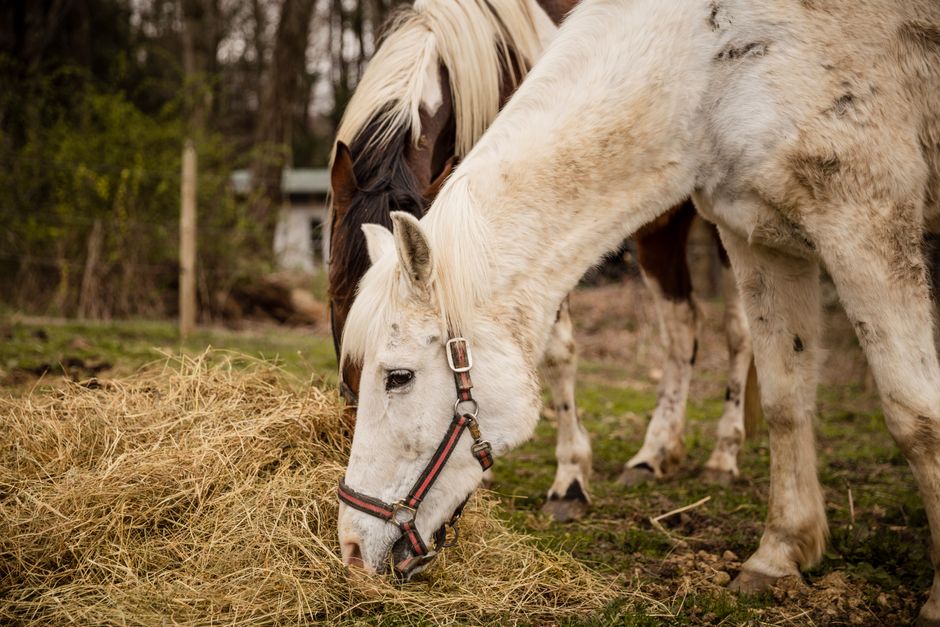
Nutritional deficiencies significantly impact hoof quality. Insufficient biotin, methionine, zinc, copper, and other essential nutrients compromise keratin production and structural integrity. Poor blood circulation to the hoof, often resulting from lack of movement or metabolic issues, further limits nutrient delivery to growing hoof tissue.
Chronic hoof infections like thrush, canker, and white line disease actively destroy hoof tissue and prevent proper hardening. These conditions require prompt treatment with specialized products designed to eliminate infection while supporting tissue regeneration. For severe cases, targeted treatments like specialized canker care solutions can address proliferative tissue and restore hoof health.
Natural Methods for Hardening Hooves
Promoting natural hoof hardening begins with proper environmental management. Whenever possible, provide horses access to dry, well-drained surfaces and varied terrain. Movement across different surfaces naturally stimulates circulation and encourages healthy hoof growth. Clean, dry bedding in stalls prevents moisture-related softening and bacterial proliferation.

Regular exercise and movement are crucial for hoof health. Physical activity increases blood flow to the hooves, delivering essential nutrients needed for strong keratin production. The natural expansion and contraction of hooves during movement also promotes healthy tissue development and density.
Topical treatments can support the hardening process when used appropriately. Quality hoof conditioners should nourish without over-softening or creating excessive moisture barriers. Products like natural hoof conditioners help maintain optimal moisture balance while supporting flexibility and strength.
Some traditional hardening agents include iodine-based solutions, commercial hoof hardeners, and natural astringents. However, these should be used judiciously, as over-application can lead to excessive dryness and brittleness. The goal is always balance—firm enough to provide protection, flexible enough to function properly.
Nutrition's Role in Hoof Strength
Internal nutrition forms the foundation of hoof quality. Biotin supplementation has demonstrated significant benefits for hoof growth and hardness in numerous studies, particularly when provided consistently over several months. The typical recommended dose ranges from 15 to 30 milligrams daily, though individual horses may require adjusted amounts.

Amino acids, particularly methionine and lysine, serve as building blocks for keratin production. Adequate protein quality in the overall diet ensures these essential amino acids are available for hoof tissue synthesis. Zinc and copper support enzyme systems involved in keratin cross-linking, which directly affects hoof wall strength and integrity.
Omega-3 fatty acids support cellular health throughout the body, including hoof tissue. These essential fats help maintain cell membrane integrity and may reduce inflammation that can compromise hoof quality. A balanced diet with appropriate vitamins and minerals provides the foundation upon which topical treatments and management practices build.
Water intake often gets overlooked in hoof health discussions, yet proper hydration is essential for nutrient transport and cellular function. Ensure horses have constant access to clean, fresh water to support all physiological processes, including hoof growth and hardening.
Addressing Common Hoof Problems
Thrush remains one of the most common obstacles to proper hoof hardening. This bacterial infection destroys frog tissue and can extend into sensitive structures if left untreated. The characteristic black, foul-smelling discharge indicates active infection requiring immediate intervention. Effective thrush treatment products can eliminate infection while creating conditions that support tissue regeneration and hardening.
White line disease creates separation between the hoof wall and sole, allowing opportunistic organisms to invade and destroy tissue. This progressive condition weakens hoof structure and prevents proper hardening until the infection is fully resolved and the affected area grows out. Aggressive trimming to remove infected tissue, combined with appropriate antimicrobial treatments, provides the best outcomes.
Abscesses and bruising indicate that the sole hasn't achieved adequate hardness to protect underlying structures. While these often result from trauma or foreign body penetration, recurrent issues suggest the need for improved sole conditioning and possibly protective boots during turnout on rocky terrain.
Professional Farrier Care and Trimming
Regular farrier visits are essential for maintaining proper hoof balance and encouraging optimal hardening. Expert trimming removes excess or damaged tissue, establishes correct angles, and ensures even weight distribution across the hoof. Most horses benefit from farrier attention every six to eight weeks, though some require more frequent care.
The farrier's approach to sole and frog trimming significantly impacts hardening. Conservative trimming that preserves protective tissue while removing only diseased or dead material allows the sole to callous naturally and develop appropriate thickness. Over-trimming these structures can set back the hardening process by weeks or months.
Shoeing decisions also affect hoof hardening. While some horses require shoes for protection or therapeutic purposes, barefoot management often promotes better hoof conditioning when horses can gradually adapt to their working surfaces. Transitioning from shod to barefoot requires patience and often temporary hoof protection during the adaptation period.
Master farriers with decades of experience understand that each horse presents unique challenges and requirements. Their expertise in reading hoof structure, identifying problems early, and implementing appropriate interventions makes them invaluable partners in maintaining optimal hoof health and hardness.
Monitoring Progress and Maintaining Results
Hoof hardening is a gradual process requiring consistent effort over months, not days or weeks. Regular assessment helps track progress and identify areas needing additional attention. Look for improved sole concavity, reduced sensitivity to firm surfaces, and elimination of crumbling or chalky hoof wall texture.
Photograph hooves monthly from consistent angles to document changes over time. This visual record helps identify subtle improvements that might otherwise go unnoticed and provides motivation during the sometimes lengthy rehabilitation process.
Maintain detailed records of nutritional supplements, topical treatments, environmental changes, and farrier work. This documentation helps identify which interventions produce the best results for your individual horse and can be shared with veterinarians, farriers, and nutritionists as needed.
Once you've achieved desired hoof hardness and quality, ongoing maintenance prevents regression. Continue balanced nutrition, appropriate exercise, clean environments, and regular farrier care. Address minor issues promptly before they compromise the hoof strength you've worked hard to develop.
Conclusion
Hardening horse hooves requires a comprehensive approach addressing nutrition, environment, movement, and professional care. By understanding hoof structure, eliminating factors that compromise integrity, and implementing evidence-based hardening strategies, you can develop strong, resilient hooves that support your horse's health and performance for years to come. Natural, high-performance products backed by farrier expertise provide valuable tools in this process, but remember that true hoof quality develops from the inside out through consistent, patient management. With dedication to proper care practices, most horses can achieve the hoof hardness needed to remain sound and comfortable in their intended work.