

Effective Horse Hoof Care Routine Guide
The foundation of equine health starts from the ground up. Your horse's hooves bear the entire weight of their body, absorb concussion with every stride, and provide the traction needed for safe movement. Neglecting hoof care can lead to serious complications including thrush, white line disease, abscesses, and even laminitis. Establishing an effective horse hoof care routine is not just about maintaining appearance—it's essential for your horse's overall health, performance, and longevity.
With over four decades of farrier expertise informing modern hoof care solutions, horse owners now have access to natural, high-performance treatments that address both preventive maintenance and therapeutic needs. This comprehensive guide will walk you through the essential components of an effective hoof care routine that will keep your horse sound and comfortable throughout their life.
Daily Hoof Inspection and Cleaning
The cornerstone of any effective hoof care routine begins with daily inspection and cleaning. Every time you handle your horse, you should pick out their hooves to remove debris, check for signs of problems, and maintain overall hoof health.

Start by running your hand down your horse's leg and applying gentle pressure to the chestnut or fetlock area to signal them to lift their hoof. Using a hoof pick, work from heel to toe, carefully removing packed dirt, manure, rocks, and bedding material. Pay special attention to the grooves alongside the frog and the central sulcus—these dark, moist crevices are prime locations for bacterial and fungal growth.
During your daily inspection, look for these warning signs:
- Foul odor indicating thrush or other bacterial infections
- Black or gray discharge in the frog area
- Cracks or separation in the white line
- Unusual warmth or digital pulse that may indicate inflammation
- Loose or missing shoes on shod horses
- Chips, cracks, or flares in the hoof wall
- Unusual sensitivity when pressure is applied
If you notice any of these issues, address them immediately. For bacterial and fungal infections like thrush, using a specialized treatment formulated for deep sulcus thrush can help eliminate the infection before it spreads deeper into sensitive structures.
Maintaining Proper Moisture Balance
Hoof moisture balance is a delicate equilibrium that significantly impacts hoof health. Too much moisture creates an environment where bacteria and fungi thrive, while excessively dry hooves become brittle, crack easily, and lose their natural shock-absorbing properties.

Environmental factors play a major role in hoof moisture. Horses standing in wet, muddy paddocks or constantly damp stalls absorb excessive moisture, softening the hoof structure and making it susceptible to infection. For guidance on preventing these issues, consider our article on Equine Hoof Protection From Mud. Conversely, horses in arid climates or dry stabling conditions may experience chronic hoof dryness that leads to cracking and chipping.
To maintain optimal moisture balance:
- Ensure your horse has access to clean, dry footing in their living area
- Apply a quality natural hoof conditioner that nourishes the hoof wall and promotes flexibility without creating an impermeable barrier
- Adjust your conditioning routine based on seasonal changes and environmental conditions
- Avoid petroleum-based products that seal the hoof and prevent natural moisture exchange
- Consider turnout patterns that give hooves time to dry between wet conditions
Natural hoof care products that work with the hoof's biological processes rather than against them help rebuild strength while maintaining the flexibility necessary for proper biomechanical function.
Professional Farrier Services
While daily owner care is essential, professional farrier services form the backbone of comprehensive hoof care. A qualified farrier or barefoot trimmer provides expertise that the average horse owner cannot replicate.
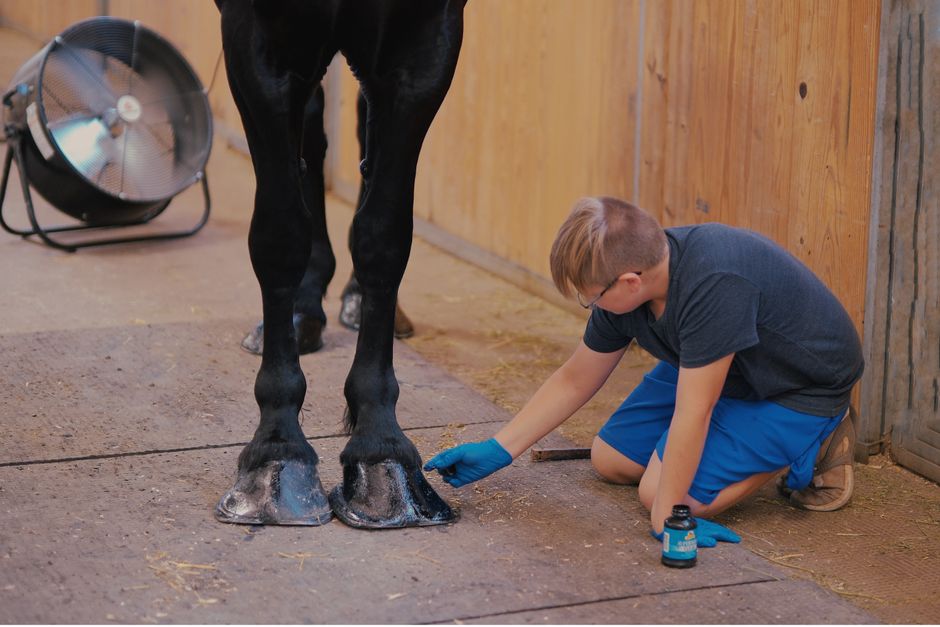
Most horses require professional hoof care every six to eight weeks, though individual needs vary based on growth rate, workload, environment, and whether the horse is shod or barefoot. Waiting too long between farrier visits can lead to overgrown hooves, imbalanced weight distribution, flaring, and even lameness. For horses that are kept barefoot, consistent trimming is key to maintaining proper hoof form and function. Learn more about Hoof Care for Barefoot Horses to understand specific considerations.
Your farrier will:
- Trim excess hoof wall to proper length and angle
- Balance the hoof for optimal weight distribution
- Address any developing issues like flares or cracks
- Apply shoes if needed for your horse's work or therapeutic needs
- Provide expert advice on your horse's specific hoof health needs
Establish a regular schedule with a qualified farrier and maintain open communication about any concerns you've noticed during your daily inspections. This partnership between owner observation and professional expertise creates the best outcomes for hoof health.
Treating and Preventing Common Hoof Problems
Even with diligent preventive care, horses may develop hoof problems that require targeted treatment. Recognizing these issues early and responding appropriately can prevent minor problems from becoming serious complications.
Thrush is perhaps the most common hoof infection, caused by bacteria and fungi thriving in the moist environment of the frog's central and lateral sulci. It produces a characteristic foul odor and black discharge. Left untreated, thrush can invade sensitive tissues and cause significant lameness. Daily cleaning combined with therapeutic treatments effectively manages and prevents this condition. For more in-depth information, consult our Equine Hoof Fungus Treatment Guide.
White line disease involves separation and infection of the white line—the junction between the hoof wall and sole. This condition can hollow out sections of the hoof wall, compromising structural integrity. It requires aggressive debridement by your farrier and consistent application of antimicrobial treatments.
Canker is a more serious condition involving chronic proliferative tissue growth in the frog and sole. This challenging condition requires professional veterinary and farrier collaboration along with specialized therapeutic treatments designed for severe proliferative conditions.
Abscesses occur when bacteria enter the hoof through cracks or punctures, creating painful pockets of infection. They typically require veterinary attention, poulticing to encourage drainage, and careful aftercare to prevent reinfection.
Prevention remains the best medicine. Maintaining clean, dry living conditions, ensuring proper nutrition, providing regular exercise to promote healthy circulation, and establishing consistent hoof care routines dramatically reduce the likelihood of developing these conditions.
Nutrition and Overall Health Impact
Hoof quality reflects your horse's overall health and nutrition. The old saying "no hoof, no horse" recognizes that hoof problems often stem from systemic issues rather than purely local causes.
Proper nutrition for healthy hoof growth includes adequate protein for keratin production, biotin and other B vitamins, essential fatty acids, minerals like zinc and copper, and balanced calcium-to-phosphorus ratios. Deficiencies in any of these nutrients can manifest as poor hoof quality, slow growth, cracking, or weak structures.
Work with your veterinarian or equine nutritionist to ensure your horse's diet supports optimal hoof health. Blood work can identify specific deficiencies that dietary adjustments or targeted supplementation can address.
Additionally, regular exercise promotes healthy circulation to the hooves. The hoof mechanism—the natural expansion and contraction that occurs with weight-bearing—pumps blood through the hoof structures, delivering nutrients and removing waste products. Horses confined to stalls without adequate turnout and exercise often develop hoof problems related to poor circulation.
Seasonal Adjustments to Your Routine
Effective hoof care adapts to seasonal challenges. Each season presents unique considerations that require routine adjustments.
Spring and fall often bring increased moisture from rain and mud. During these seasons, increase the frequency of hoof cleaning, monitor closely for thrush development, and ensure your horse has access to dry standing areas. You may need to reduce conditioning oil application as hooves naturally absorb more moisture from the environment.
Summer conditions, particularly in dry climates, can lead to hard, brittle hooves prone to chipping and cracking. Increase conditioning treatments to maintain flexibility, ensure adequate water intake for overall hydration, and watch for stone bruises on hard, dry ground. Consider strategies for Hoof Hardening for Horses during these times.
Winter presents challenges from frozen ground, ice, and snow. Shod horses may accumulate dangerous snowballs in their hooves, requiring preventive measures like snow pads. Cold weather can also reduce hoof circulation and slow growth rates. Continue regular farrier schedules even though growth may slow, as balance remains critical for soundness.
Conclusion
An effective horse hoof care routine combines daily owner attention, professional farrier services, appropriate therapeutic products when needed, proper nutrition, and environmental management. This comprehensive approach prevents most common hoof problems and catches developing issues before they become serious complications.
The investment of time and resources in proper hoof care pays dividends in your horse's soundness, performance, and quality of life. By incorporating these practices into your regular horse care routine, you provide the foundation for a lifetime of healthy hooves. Remember that every horse is an individual—work closely with your farrier and veterinarian to tailor these general principles to your horse's specific needs, environment, and workload.
With consistent attention, quality natural products, and professional expertise, you can maintain the hoof health that allows your horse to perform at their best and enjoy a comfortable, sound life.