

Horse Hoof Care for Farriers: Expert Guide
Professional farriery demands more than technical skill with hammer and anvil. Modern farriers understand that comprehensive hoof care extends beyond trimming and shoeing to encompass a holistic approach to equine foot health. With decades of experience demonstrating the critical relationship between proper maintenance and long-term soundness, farriers in 2026 must integrate traditional craftsmanship with advanced equine hoof health solutions.
The foundation of successful farrier work rests on understanding hoof anatomy, recognizing early signs of disease, and implementing preventive care strategies that keep horses performing at their peak. This guide explores essential practices that separate competent farriers from exceptional ones.
Understanding Hoof Structure and Function
Before addressing any hoof problem, farriers must thoroughly understand the complex architecture they work with daily. The hoof capsule consists of interconnected structures including the hoof wall, sole, frog, bars, and sensitive laminae. Each component plays a vital role in shock absorption, traction, and protecting the delicate internal structures of the foot.

The hoof wall grows approximately one-quarter to one-half inch per month, requiring regular maintenance every six to eight weeks. This growth rate varies based on nutrition, genetics, exercise level, and environmental conditions. Farriers must account for these variables when developing trimming schedules and recommending care protocols.
Blood flow and flexibility are equally critical. The hoof mechanism—the natural expansion and contraction that occurs with each step—maintains circulation and tissue health. Compromised flexibility from improper trimming, unsuitable shoeing, or environmental damage can lead to a cascade of problems including contracted heels, thrush, and lameness.
Common Hoof Conditions Farriers Encounter
Professional farriers regularly confront bacterial and fungal infections that threaten hoof integrity. Thrush, caused by anaerobic bacteria thriving in moist conditions, attacks the frog's central sulcus and collateral grooves. Left untreated, thrush creates foul-smelling black discharge and can penetrate sensitive tissue, causing significant pain and lameness. Effective thrush treatment solutions should penetrate deeply while promoting healthy tissue regeneration.

White line disease presents another frequent challenge. This opportunistic infection separates the hoof wall from underlying structures, creating cavities that compromise structural integrity. Early detection during routine trimming allows farriers to debride affected tissue and recommend appropriate treatments to halt progression.
Canker, though less common, represents one of the most challenging conditions. This chronic proliferative disease produces cauliflower-like tissue growth on the frog and sole. Traditional treatments often prove ineffective, requiring farriers to partner with veterinarians and employ specialized canker care products that address both the infection and abnormal tissue growth.
Laminitis and founder remain among the most serious conditions farriers manage. Understanding the mechanical and metabolic factors contributing to laminar breakdown enables farriers to provide therapeutic trimming and recommend supportive care that reduces pain and prevents rotation.
Essential Tools and Techniques for Professional Farriers
Quality farrier work begins with properly maintained tools. Hoof knives, nippers, rasps, and clinchers must remain sharp and in excellent condition. Dull tools require excessive force, increasing risk of injury to both horse and farrier while producing inferior results.

Trimming technique significantly impacts hoof health. Farriers must balance the foot to ensure even weight distribution, maintain appropriate hoof angles that support proper limb alignment, and preserve adequate sole depth for protection. Over-trimming the sole or frog removes natural protection and exposes sensitive structures to trauma and infection.
When applying shoes, farriers should consider the horse's specific needs. Athletic horses, therapeutic cases, and horses working in challenging terrain each require different approaches. Hot shoeing allows precise fitting but demands additional expertise. Cold shoeing offers convenience but may require compromises in fit.
Beyond basic trimming and shoeing, professional farriers incorporate hoof health assessments into every visit. This includes evaluating digital pulses, hoof temperature, sole integrity, and signs of infection or separation. Early intervention prevents minor issues from escalating into career-threatening problems.
Preventive Care and Maintenance Protocols
Proactive hoof care delivers superior outcomes compared to reactive treatment. Farriers should educate clients about daily hoof picking to remove debris and allow inspection for early signs of trouble. Regular cleaning prevents packed material from creating pressure points and anaerobic environments where bacteria flourish.
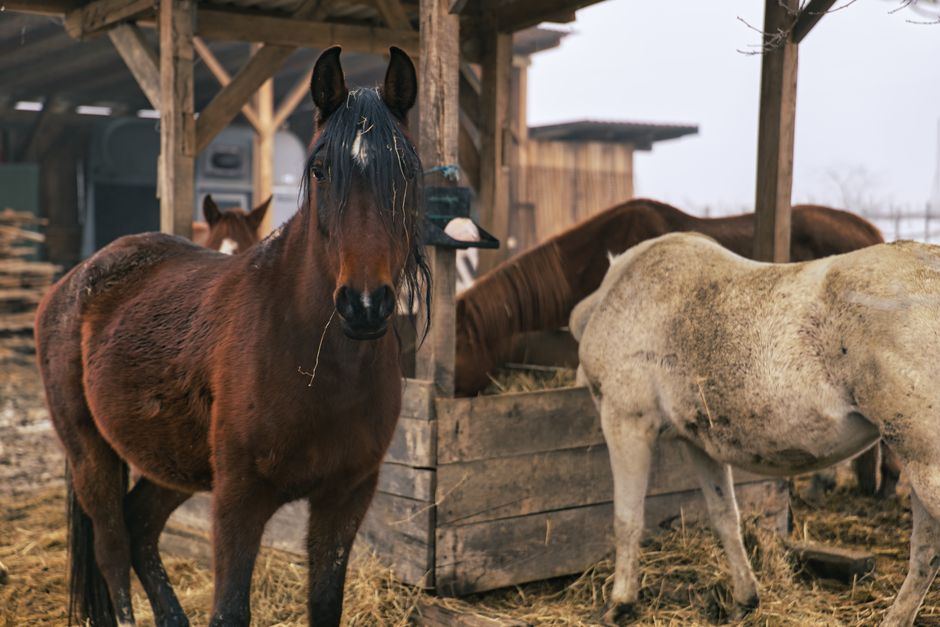
Environmental management plays a crucial role in hoof health. Horses standing in wet, muddy conditions develop weakened hoof structures prone to disease. Farriers can recommend improved drainage, dry standing areas, and rotation between paddocks to minimize moisture exposure.
Nutritional support affects hoof quality from the inside out. Adequate protein, biotin, methionine, zinc, and copper support healthy hoof growth. While farriers typically don't prescribe supplements, understanding nutritional impacts allows them to recognize diet-related hoof problems and recommend veterinary consultation.
Applying natural hoof conditioners maintains optimal moisture balance in the hoof capsule. Quality products penetrate deeply to nourish hoof tissue, improve flexibility, and create protective barriers against excessive moisture or drying. Farriers should recommend products with proven track records rather than marketing hype.
Collaboration with Veterinarians and Owners
Exceptional farriers recognize they function as part of a broader equine health team. Complex cases require veterinary involvement, and farriers must communicate effectively about clinical findings, treatment responses, and ongoing concerns. Radiographs often guide therapeutic trimming decisions, and farriers should understand how to interpret these images.
Owner education represents an undervalued aspect of professional farrier service. Clients who understand basic hoof anatomy, recognize early warning signs, and implement recommended maintenance practices achieve better outcomes. Farriers who invest time explaining their work and rationale build stronger client relationships and improve horse welfare.
Documentation creates accountability and tracks progress. Photographing hooves before and after trimming, noting specific concerns, and maintaining detailed records allows farriers to refine their approaches based on objective evidence rather than memory.
Continuing Education and Skill Development
The farrier profession continuously evolves as research reveals new insights into hoof biomechanics, disease processes, and treatment modalities. Successful farriers commit to lifelong learning through clinics, certification programs, and professional organizations.
While not directly related to farriery, maintaining personal physical fitness proves essential for career longevity. The profession demands significant strength, flexibility, and endurance. Resources like the ACE Fitness exercise library offer targeted exercises that support the demanding physical requirements of daily farrier work.
Networking with other professionals expands knowledge and provides support. Regional farrier associations, online forums, and mentorship relationships allow practitioners to share challenging cases, discuss techniques, and refine their craft through collective experience.
Conclusion
Professional horse hoof care for farriers encompasses far more than mechanical trimming skills. The most successful practitioners combine technical expertise with deep understanding of hoof biology, disease recognition, preventive strategies, and client communication. By staying current with research, maintaining high standards, and partnering with veterinarians and owners, farriers ensure horses remain sound and comfortable throughout their working lives. The integration of natural, effective treatment products into routine care protocols allows farriers to address problems quickly while promoting long-term hoof health. As the profession advances, those who embrace comprehensive approaches to hoof care will continue leading the industry toward improved equine welfare and performance.