

Hoof Ointment: Essential Care for Horses
Horse hooves endure constant stress from varied terrain, moisture fluctuations, and environmental challenges. As the foundation of equine health, proper hoof care determines whether a horse remains sound and comfortable or developsIf your horse’s hooves need real support — not another generic farm‑store fix — see the Outlaw formulas built for fast, visible results. conditions. Hoof ointments represent a critical component of preventive maintenance, offering protection, nourishment, and therapeutic benefits for horses across all disciplines and living situations. Understanding how these specialized formulations work empowers horse owners and farriers to make informed decisions that preserve hoof integrity for years to come.
Understanding Hoof Structure and Health Needs
The equine hoof consists of multiple layers working together to support the horse's weight, absorb shock, and protect sensitive internal structures. The outer hoof wall, made primarily of keratin, requires proper moisture balance to maintain flexibility without becoming brittle. The sole and frog beneath provide additional cushioning and circulation support. When any component of this complex system becomes compromised, the entire hoof suffers.
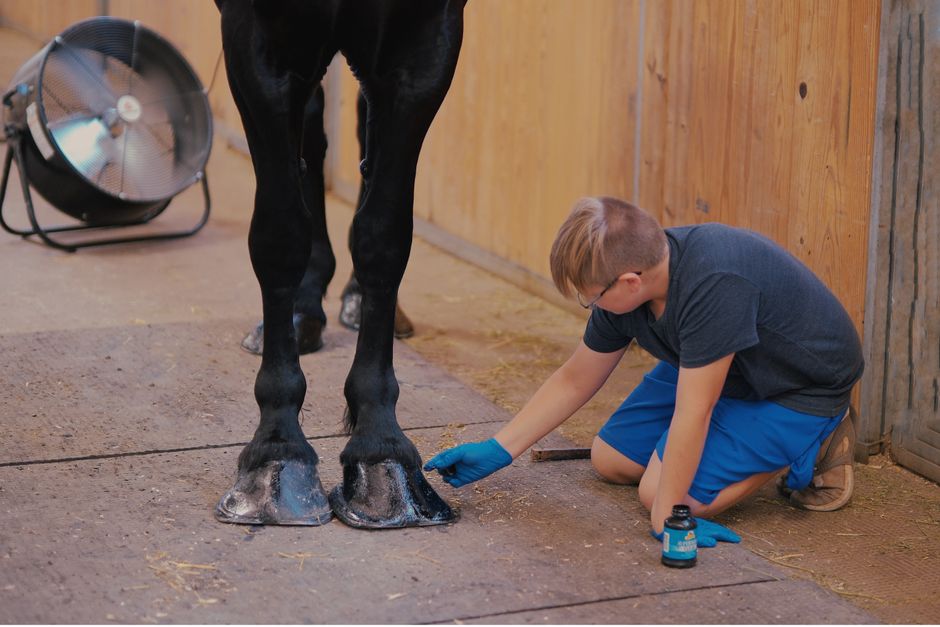
Environmental conditions significantly impact hoof health. Excessive moisture from wet pastures or standing in muddy paddocks softens the hoof structure, creating opportunities for bacterial and fungal invasion. Conversely, dry climates and hard ground can cause cracking and splitting. These extremes stress the natural defense mechanisms of healthy hooves, making supplemental protection through quality hoof ointment applications essential for maintaining optimal condition.
Modern horses face unique challenges their wild ancestors did not encounter. Confined living spaces, reduced natural movement, and exposure to urine-soaked bedding create perfect conditions for hoof diseases like thrush and canker. Regular application of therapeutic hoof ointments helps counteract these environmental stressors, providing a protective barrier while delivering beneficial ingredients directly to the hoof tissue.
Types of Hoof Ointments and Their Functions
Hoof ointments serve different purposes depending on their formulation and intended use. Conditioning ointments focus on moisture balance, preventing excessive drying while allowing the hoof to breathe. These products typically contain natural oils and waxes that penetrate the hoof wall, maintaining flexibility without creating a waterproof seal that traps moisture inside.

Therapeutic ointments address specific conditions affecting hoof health. Products designed to combat thrush, a bacterial infection of the frog's central sulcus, contain antimicrobial agents that eliminate pathogens while promoting healthy tissue regeneration. Specialized thrush treatments penetrate deep into crevices where bacteria thrive, providing sustained protection even in challenging wet conditions.
Severe hoof conditions like canker require more aggressive intervention. Canker, a chronic hypertrophic pododermatitis affecting the frog and sole, demands targeted treatment with powerful yet safe formulations. Advanced canker care products combine antimicrobial action with tissue-rebuilding properties, addressing both the infection and the damaged tissue structure simultaneously.
Nourishing ointments provide comprehensive hoof support for horses experiencing dry, cracked, or brittle hooves. These formulations deliver essential nutrients directly to the hoof tissue, supporting the natural repair processes while protecting against further environmental damage. Quality conditioning products work from the inside out, strengthening the hoof wall and improving overall resilience.
Natural Ingredients Versus Synthetic Formulations
The debate between natural and synthetic hoof care products continues in 2026, with increasing numbers of horse owners preferring natural formulations. Natural ingredients offer several advantages, including reduced risk of adverse reactions, better compatibility with the hoof's biological processes, and environmental sustainability. Plant-based oils, essential oils with antimicrobial properties, and mineral-rich compounds work synergistically with the hoof's natural defenses.
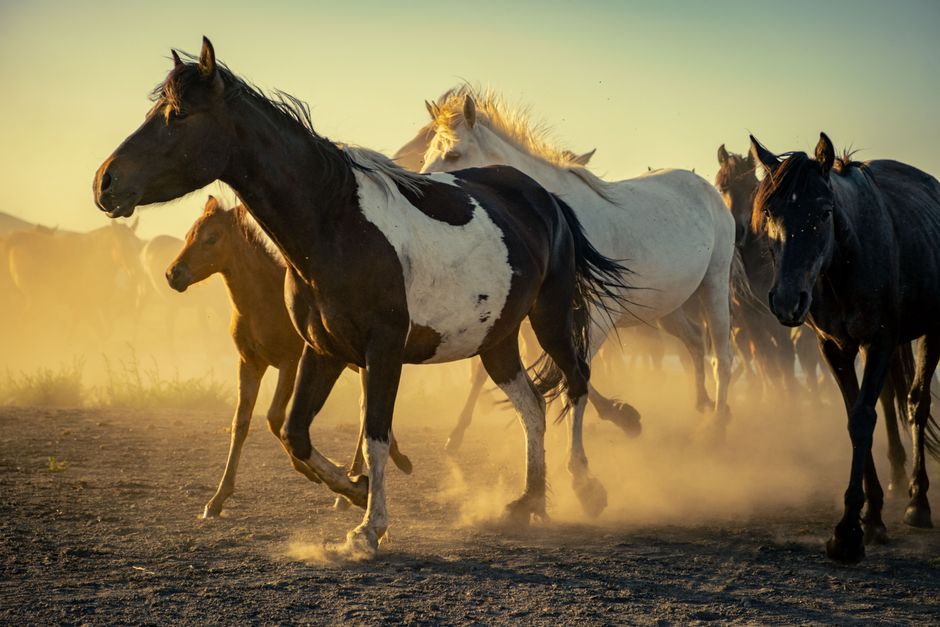
Over forty years of farrier expertise demonstrates that natural formulations often outperform synthetic alternatives for long-term hoof health. Natural ingredients penetrate more effectively, allowing the hoof to maintain proper moisture exchange while still providing protection. This breathing quality prevents the buildup of trapped moisture that can occur with petroleum-based products, reducing the risk of secondary infections.
However, not all natural products deliver equal results. The sourcing, processing, and combination of ingredients determine effectiveness. High-performance natural hoof ointments utilize carefully selected ingredients in specific ratios, ensuring optimal penetration, antimicrobial activity, and tissue nourishment. The formulation process requires deep understanding of both hoof biology and ingredient chemistry to achieve therapeutic results.
Proper Application Techniques for Maximum Effectiveness
Even the best hoof ointment delivers limited benefits without correct application. Preparation begins with thorough hoof cleaning, removing all dirt, debris, and loose material from the sole, frog, and hoof wall. A clean surface allows ointment to penetrate effectively rather than sitting on top of contamination. Special attention to the central sulcus and lateral grooves ensures treatment reaches areas most vulnerable to infection.

Application frequency depends on specific conditions and products used. Therapeutic treatments for active infections typically require daily application until symptoms resolve, followed by reduced frequency for maintenance. Conditioning ointments generally benefit from application every few days, adjusted based on environmental conditions and individual hoof characteristics. Consistency proves more important than excessive application; regular moderate use outperforms sporadic heavy applications.
Technique matters as much as frequency. Working ointment into cracks, crevices, and affected areas ensures thorough coverage. For frog treatments, gentle pressure helps work the product into the sulci where bacteria hide. Hoof wall applications should cover the entire surface, including the coronary band area where new growth emerges. Allowing proper absorption time before turnout maximizes product effectiveness, particularly for therapeutic formulations.
Integrating Hoof Ointment into Complete Hoof Care
Hoof ointment represents one component of comprehensive hoof care, not a standalone solution. Regular farrier visits remain essential, with professional trimming and shoeing maintaining proper hoof balance and biomechanics. The partnership between farrier expertise and quality hoof products produces optimal results, addressing both structural and health aspects of hoof maintenance.
Environmental management significantly impacts hoof health outcomes. Clean, dry living areas reduce disease pressure, making hoof ointment applications more effective. Regular paddock maintenance, proper drainage, and appropriate bedding choices create conditions where hooves naturally resist infection and damage. Even the best products struggle to overcome constantly poor environmental conditions.
Nutritional support complements topical hoof care, providing the building blocks for strong, healthy hoof growth. Adequate protein, essential fatty acids, biotin, zinc, and other micronutrients support keratin production and tissue integrity. Combined with appropriate hoof ointment use, proper nutrition creates conditions for optimal hoof development and maintenance throughout the horse's life.
Natural hoof conditioners work particularly well when integrated into regular grooming routines, allowing horse owners to monitor hoof condition while providing consistent care. This hands-on approach enables early detection of developing problems, allowing intervention before minor issues become serious conditions requiring intensive treatment. For horses with specific conditions like laminitis, exploring comprehensive support options such as hoof pads for laminitis can be crucial.
Selecting Quality Products for Your Horse
The hoof care market offers countless products with varying quality levels and ingredient profiles. Evaluating options requires understanding what makes formulations effective. Look for products backed by professional expertise, particularly those developed by experienced farriers who understand hoof biology and common challenges facing modern horses. Transparency regarding ingredients and their purposes indicates manufacturer confidence and commitment to quality.
Natural formulations from reputable sources provide the most reliable results for long-term hoof health. Products combining antimicrobial properties with nourishing ingredients address multiple aspects of hoof care simultaneously, simplifying routines while ensuring comprehensive protection. Reading reviews from other horse owners and consulting with farriers and veterinarians helps identify products with proven track records. If you're focusing on natural solutions for overall hoof health, a natural hoof health guide can provide invaluable insights.
Professional-grade products often deliver better value despite higher initial costs. Concentrated formulations require less product per application, extending shelf life and reducing long-term expenses. Wholesale options provide cost-effective solutions for multiple horses or facilities managing several animals, making premium care accessible at scale. For specific issues, understanding concerns like a strong odor in horse hooves can help in selecting the right therapeutic ointment.
Conclusion
Hoof ointments represent essential tools for maintaining equine health and soundness in 2026. Quality products protect against environmental challenges, address specific conditions like thrush and canker, and nourish hooves for optimal strength and flexibility. Natural formulations developed with deep farrier expertise offer superior long-term results, working with the hoof's biological processes rather than against them. By selecting appropriate products, applying them correctly, and integrating them into comprehensive hoof care programs, horse owners ensure their animals maintain healthy hooves capable of supporting active, comfortable lives. The foundation of equine health truly begins with the hooves, making informed hoof ointment selection a critical responsibility for anyone caring for horses. Regular care of the hoof white line is also vital for overall hoof integrity.