

Barehoof Care: Natural Hoof Health Guide
The barehoof movement has gained significant momentum among horse owners and equine professionals in recent years. Going barehoof means maintaining horses without traditional metal shoes, allowing the hoof to function as nature intended. This approach to hoof care requires dedication, knowledge, and proper management to ensure optimal hoof health and performance.
Understanding the principles of barehoof care and implementing proper maintenance routines can transform your horse's overall well-being. Whether you're considering transitioning your horse to a barehoof lifestyle or simply want to improve your current hoof care regimen, this comprehensive guide provides the essential information you need.
Understanding the Barehoof Philosophy
The barehoof approach is rooted in the belief that horses evolved to thrive without shoes. Wild horses naturally maintain their hooves through varied terrain and continuous movement. Domestic horses can achieve similar hoof health when provided with appropriate care, nutrition, and environment.

Going barehoof allows the hoof mechanism to function properly. When a horse steps down, the hoof expands slightly, promoting blood circulation and shock absorption. Metal shoes restrict this natural expansion, potentially limiting circulation and hoof development. Barehoof advocates argue that unrestricted hoof function leads to healthier frogs, stronger walls, and better overall soundness.
The transition to barehoof requires patience and commitment. Not every horse will immediately adapt, and some may need protective hoof boots during the adjustment period. Success depends on factors including hoof quality, living conditions, work demands, and the horse's individual conformation.
Benefits of Going Barehoof
Horses maintained barehoof often experience numerous health advantages. Improved circulation throughout the hoof structure promotes healthier tissue growth and stronger horn quality. The natural hoof mechanism functions optimally, enhancing shock absorption and reducing concussion-related issues.
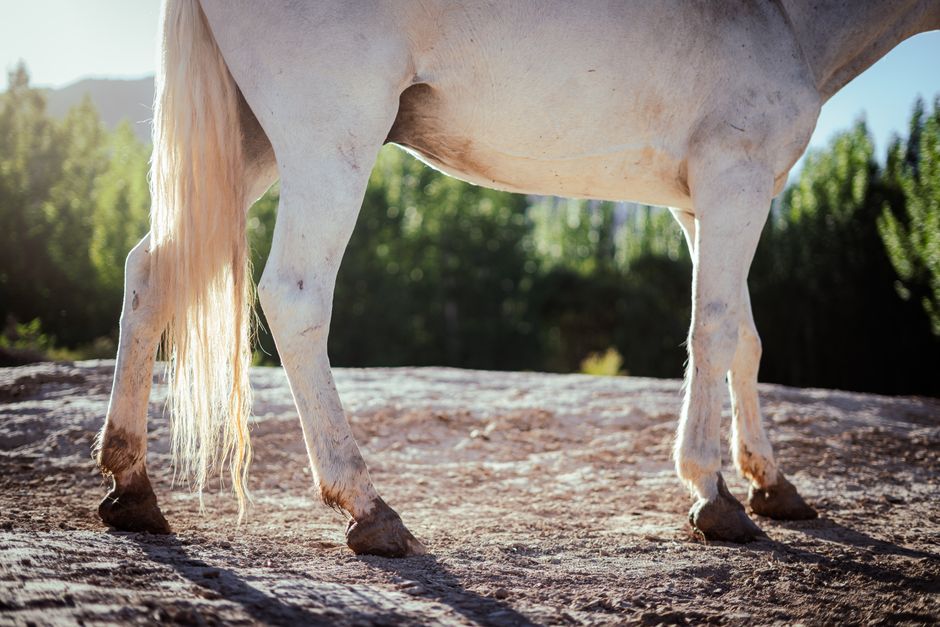
Barehoof horses frequently demonstrate better proprioception and balance. Without shoes, horses receive more sensory feedback from the ground, allowing for improved coordination and surefootedness on varied terrain. This enhanced awareness can reduce the risk of trips and falls, particularly on uneven surfaces.
Additionally, going barehoof eliminates shoe-related problems such as nail punctures, lost shoes at inopportune times, and the potential for shoes being pulled off by another horse. The cost savings from not requiring regular shoeing appointments can be significant over time, though professional trimming remains essential.
Essential Barehoof Maintenance
Successful barehoof care demands consistent attention to hoof health. Regular trimming by a qualified barefoot trimmer or farrier experienced in natural hoof care is fundamental. Trim intervals typically range from four to six weeks, depending on the individual horse's growth rate and activity level.
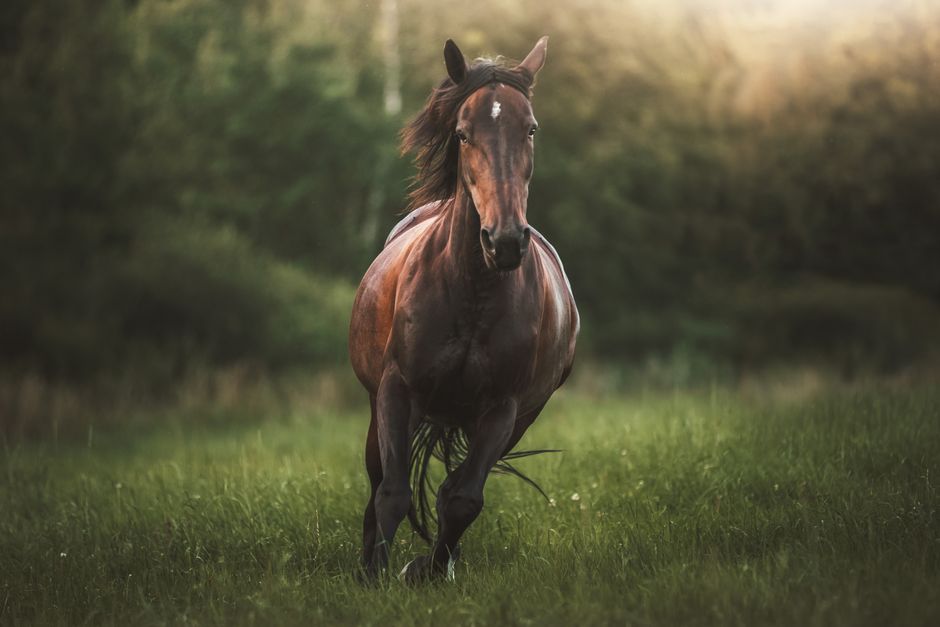
Daily hoof inspections are crucial for detecting early signs of problems. Check for embedded debris, cuts, bruising, or signs of infection such as thrush. Remove packed dirt and manure promptly to prevent moisture-related issues and bacterial growth.
Maintaining optimal hoof moisture balance is essential for barehoof horses. Hooves need appropriate moisture to maintain flexibility and strength. Natural hoof conditioners help restore and maintain the ideal moisture balance, preventing both excessive dryness and oversaturation that can compromise hoof integrity.
Thrush prevention and treatment are particularly important for barehoof horses. This bacterial infection thrives in dark, moist environments and can quickly damage the frog and surrounding tissue. Effective thrush treatments should be part of your regular maintenance routine, especially during wet seasons or if your horse stands in muddy conditions.
Nutrition and Environment for Healthy Hooves
Hoof health begins from the inside out. Proper nutrition provides the building blocks for strong, resilient hooves. A balanced diet with adequate protein, vitamins, and minerals supports optimal hoof growth. Biotin, zinc, copper, and methionine are particularly important for hoof quality.

Access to varied terrain encourages natural hoof wear and strengthening. Horses that move regularly over different surfaces develop tougher, more durable hooves. While soft pasture is comfortable, incorporating areas with harder footing helps condition barehoof horses for diverse environments.
Footing quality significantly impacts hoof health. Excessively wet conditions soften hooves and promote bacterial growth, while extremely dry, hard ground can cause excessive wear or bruising. Managing turnout areas to provide appropriate drainage and varied footing options supports optimal hoof condition.
Addressing Common Barehoof Challenges
The transition from shod to barehoof can present temporary challenges. Some horses experience initial tenderness as hooves adapt to new demands. Hoof boots can provide protection during this period while allowing the hooves to strengthen gradually. The transition typically takes several months, with some horses requiring up to a year for complete adaptation.
White line separation and disease can affect barehoof horses, particularly those with compromised hoof integrity. Maintaining clean, dry hooves and addressing separations promptly prevents these conditions from worsening. Regular trimming removes damaged material and promotes healthy growth.
Severe hoof conditions like canker require specialized treatment approaches. Professional canker care products formulated with natural ingredients can effectively address this challenging condition while supporting tissue regeneration.
Laminitis and founder remain serious concerns for all horses, regardless of shoeing status. Barehoof horses experiencing these conditions may benefit from supportive measures that reduce pain and promote healing during recovery. Prompt veterinary attention combined with appropriate hoof care is essential for managing these critical situations.
Professional Support and Resources
Working with knowledgeable professionals is vital for barehoof success. Seek farriers or trimmers with specific training and experience in natural hoof care. These specialists understand the biomechanics of barehoof horses and can provide appropriate trimming that promotes optimal function.
Building a relationship with your veterinarian ensures you have expert guidance when health issues arise. Some conditions require medical intervention beyond routine hoof care. Open communication between your vet and hoof care professional creates a comprehensive support team for your horse.
Continuing education helps you make informed decisions about your horse's care. While this article provides foundational knowledge, staying current with developments in barehoof care and equine health supports your horse's long-term wellness. Just as organizations like the American College of Sports Medicine provide evidence-based guidance for human physical health, equine research continues to expand our understanding of optimal hoof care practices.
For equine professionals managing multiple horses, wholesale hoof care products provide cost-effective solutions while maintaining high quality standards for comprehensive hoof maintenance programs.
Conclusion
Embracing the barehoof lifestyle requires commitment, patience, and ongoing education. By understanding the principles of natural hoof function, implementing consistent maintenance routines, and providing proper nutrition and environment, you can support your horse's hoof health and overall wellness. Success with barehoof care comes from combining knowledgeable professional support with daily attentive management. As equine care continues to evolve in 2026, the bare-hoof approach offers a natural pathway to stronger, healthier hooves for horses living and working in appropriate conditions.