

White Line Separation in Horse Hooves
White line separation, also known as white line disease or seedy toe, is a common yet serious hoof condition that affects horses worldwide. As of 2026, this condition continues to challenge horse owners and farriers alike, requiring prompt recognition and effective treatment to prevent lameness and further damage. Understanding the anatomy, causes, and treatment options for white line separation is essential for maintaining optimal hoof health and ensuring your horse's long-term soundness.
Understanding the White Line in Horse Hooves
The white line is a crucial structure in the equine hoof that serves as the junction between the sensitive inner laminae and the insensitive outer hoof wall. This narrow band of soft horn tissue connects the sole to the hoof wall and plays a vital role in weight distribution and shock absorption. Despite its name, the white line actually appears as a yellowish or cream-colored zone when the hoof is trimmed and viewed from the bottom.
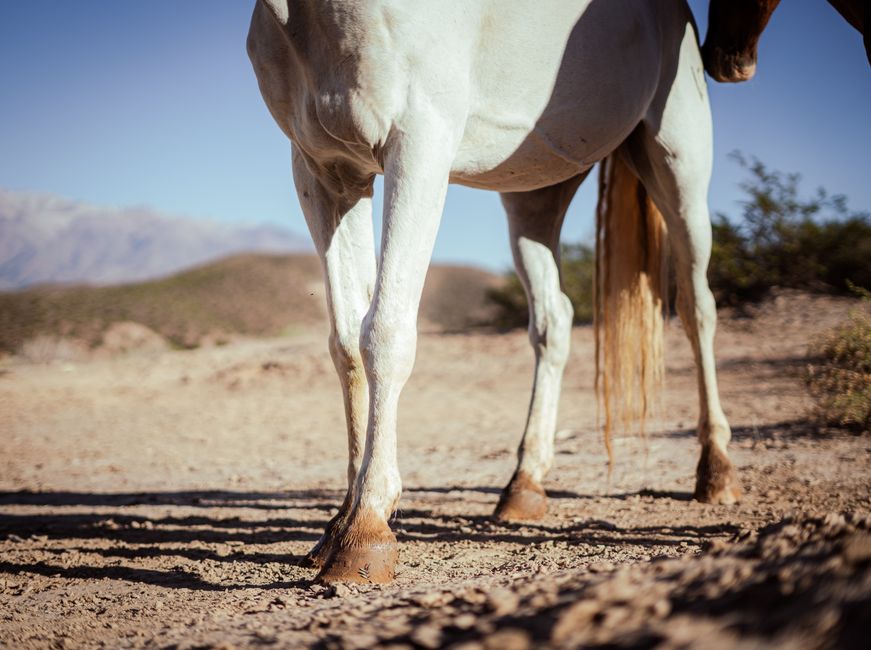
The white line is composed of specialized horn tubules that are less dense than the surrounding hoof wall. This unique composition makes it more vulnerable to damage and infection, particularly when environmental conditions, poor trimming practices, or underlying health issues compromise its integrity. When the white line becomes separated from either the hoof wall or the sole, a cavity forms that can harbor bacteria, fungi, and debris.
Causes and Contributing Factors
White line separation occurs when the bond between the hoof wall and the underlying structures breaks down. Multiple factors can contribute to this condition, often working in combination to weaken the hoof's integrity. Poor hoof balance and irregular trimming schedules create mechanical stress that gradually pulls the white line apart. When the hoof is left too long between farrier visits, flares develop that place excessive tension on the white line connection.

Environmental conditions play a significant role in white line health. Prolonged exposure to wet, muddy conditions softens the hoof and makes it more susceptible to separation. Conversely, extremely dry environments can cause the hoof to become brittle and crack, allowing entry points for opportunistic organisms. Stall environments with accumulated manure and urine create the perfect breeding ground for bacterial and fungal infections that target weakened white line tissue.
Nutritional deficiencies can compromise hoof quality and make horses more vulnerable to white line issues. Inadequate biotin, zinc, copper, and essential amino acids affect the production of healthy horn tissue. Laminitis, whether acute or chronic, damages the laminar connections and frequently results in white line separation as a secondary complication. Mechanical trauma from stones, improper shoeing, or excessive work on hard surfaces can also initiate the separation process.
Recognizing the Signs and Symptoms
Early detection of white line separation significantly improves treatment outcomes and prevents progression to more severe stages. During routine hoof picking and cleaning, horse owners should look for dark, crumbly material within the white line zone. This debris, often black or gray in color, indicates that separation has occurred and the cavity has filled with dirt, manure, and infected tissue.
When you tap on the hoof wall near areas of separation, the sound becomes hollow rather than solid, indicating loss of connection between structures. The affected area may appear wider than normal, with visible gaps or crevices extending up from the ground surface. In advanced cases, the separation can track significantly up the hoof wall, creating large pockets that undermine the hoof's structural integrity.
Lameness may or may not be present in the early stages, depending on the extent of separation and whether infection has reached sensitive tissues. Horses with more severe cases typically show sensitivity when pressure is applied to the affected area or when working on hard ground. Heat in the hoof wall and increased digital pulse can indicate active infection within the separated areas.
Treatment and Management Strategies
Effective treatment of white line separation requires a comprehensive approach that addresses both the immediate infection and the underlying causes. The first step involves working with a qualified farrier to thoroughly debride all compromised tissue. This process removes the infected, separated horn and exposes the full extent of the cavity, allowing proper cleaning and treatment.

After debridement, the exposed cavity must be cleaned and treated with antimicrobial products that penetrate deep into the affected tissue. Specialized white line treatments can effectively eliminate bacterial and fungal infections while promoting healthy tissue regeneration. For cases involving severe thrush or secondary infections, targeted thrush treatments may be necessary to address the full scope of the infection.
In severe cases where the separation extends high into the hoof wall or involves multiple areas, comprehensive antimicrobial care becomes essential to prevent the progression to canker or other serious complications. Treatment must be consistent and continued until the separated area has grown out completely, which can take several months depending on the location and severity.
Environmental management is equally important during the treatment phase. Horses should be housed in clean, dry conditions to prevent reinfection and promote healing. Regular hoof picking and inspection allow for early detection of any problems and ensure treatment products are working effectively. Supporting overall hoof health with proper nutrition and quality hoof nourishment helps accelerate the growth of healthy new horn tissue.
Prevention Through Proper Hoof Care
Preventing white line separation is far easier than treating established cases. Regular farrier visits every six to eight weeks maintain proper hoof balance and prevent the mechanical stress that contributes to separation. A skilled farrier will recognize early signs of white line weakness and can adjust trimming and shoeing protocols accordingly.
Daily hoof picking removes debris before it can accumulate in vulnerable areas and allows for early detection of developing problems. During this routine maintenance, horse owners should examine the white line carefully, looking for any changes in color, width, or integrity. Maintaining clean, dry living conditions minimizes the environmental factors that compromise hoof health.
Proper nutrition supports the production of strong, resilient hoof tissue from the inside out. A balanced diet with adequate protein, vitamins, and minerals gives the horse the building blocks needed for optimal hoof growth. Supplementation may be beneficial for horses with poor hoof quality or those recovering from separation.
Long-Term Prognosis and Management
With prompt recognition and appropriate treatment, most cases of white line separation resolve completely as healthy new hoof grows down from the coronary band. The recovery timeline depends on the location and extent of separation, but horse owners should expect several months before the affected area has grown out entirely. During this period, continued vigilance and maintenance prevent recurrence.
Some horses may be predisposed to white line issues due to hoof conformation, genetics, or chronic conditions like laminitis. These individuals require extra attention to prevention strategies and may benefit from modified shoeing or trimming protocols. Regular communication between the horse owner, farrier, and veterinarian ensures a coordinated approach to managing ongoing hoof health challenges.
Modern natural hoof care products have revolutionized the treatment of white line separation, offering effective alternatives to harsh chemical treatments that can damage healthy tissue. By combining expert farrier care with high-quality antimicrobial treatments and consistent management, horse owners can successfully overcome white line separation and restore their horse's hoof health.
Conclusion
White line separation represents a significant challenge in equine hoof care, but understanding its causes, recognizing early warning signs, and implementing effective treatment protocols can prevent serious complications. As we continue to advance our knowledge of hoof health in 2026, horse owners have access to better diagnostic tools, treatment products, and management strategies than ever before. Success in managing white line issues requires dedication to regular hoof care, attention to environmental factors, and partnership with experienced farriers. Through proactive prevention and prompt treatment when problems arise, you can maintain the hoof integrity essential for your horse's soundness and performance.