

Brittle Horse Hooves: Causes and Solutions
Brittle horse hooves represent one of the most common yet concerning conditions facing horse owners and equine professionals in 2026. When hooves become dry, cracked, and prone to breaking or chipping, they compromise not only the structural integrity of the hoof but also the overall health and performance of the horse. Understanding what causes brittle hooves and how to address this condition is essential for maintaining your horse's soundness and well-being.
Understanding Brittle Hoof Syndrome
Brittle hoof syndrome manifests as hooves that lack proper moisture balance, flexibility, and structural integrity. The hoof wall becomes dry, loses its natural elasticity, and develops vertical or horizontal cracks that can extend from the ground surface upward or from the coronary band downward. In severe cases, chunks of the hoof wall may chip away entirely, leaving the sensitive internal structures vulnerable to infection and injury.
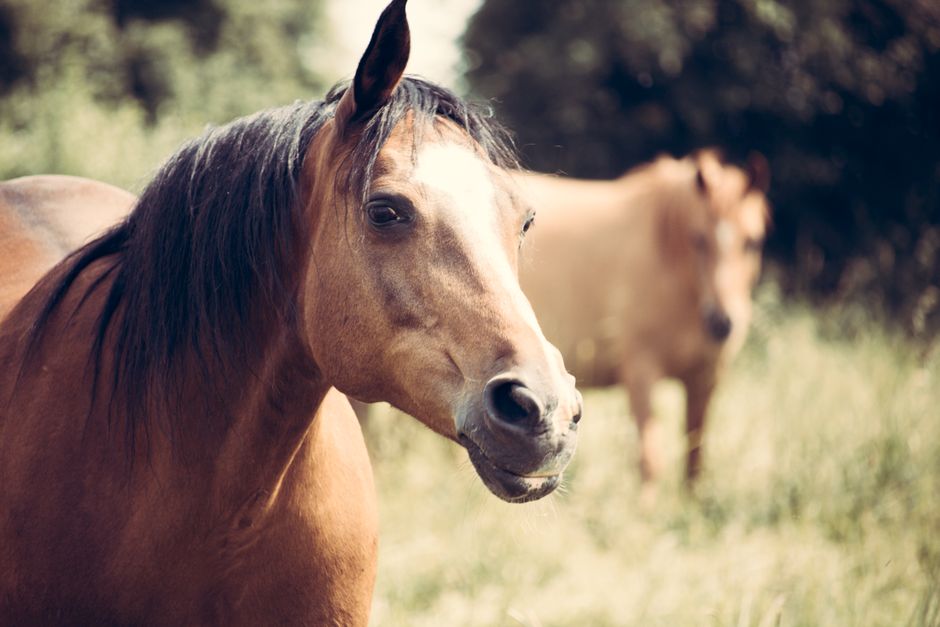
The hoof is a living structure composed primarily of keratin, the same protein found in human hair and nails. Just as human nails can become brittle without proper hydration and nutrition, horse hooves require a delicate balance of moisture, nutrients, and environmental conditions to maintain their strength and flexibility. When this balance is disrupted, the hoof wall becomes compromised, leading to a cascade of potential problems that can affect your horse's comfort and performance.
Primary Causes of Brittle Hooves
Several factors contribute to the development of brittle hooves in horses. Environmental conditions play a significant role, particularly in regions that experience extreme fluctuations between wet and dry conditions. When hooves are repeatedly exposed to moisture followed by rapid drying, the hoof wall expands and contracts, leading to structural weakening and crack formation.

Nutritional deficiencies rank among the most common causes of brittle hooves. Horses require adequate biotin, methionine, zinc, copper, and other essential nutrients to produce strong, healthy hoof tissue. Without proper nutrition, the body cannot manufacture quality hoof material, resulting in weak, brittle walls that crack under normal stress. Many horses, particularly those on restricted diets or grazing on mineral-deficient pastures, develop hoof problems that stem directly from nutritional gaps.
Poor hoof care practices also contribute to brittle hoof development. Infrequent trimming, improper shoeing, and neglected hoof maintenance allow mechanical imbalances to develop, placing uneven stress on the hoof wall. Additionally, excessive use of harsh chemical treatments or sealers can strip natural oils from the hoof, accelerating brittleness and damage.
Health Implications and Warning Signs
Recognizing the early warning signs of brittle hooves allows for prompt intervention before serious complications develop. Horse owners should regularly inspect their animals' hooves for visible cracks, particularly vertical splits that extend from the coronary band or ground surface. Flaking or peeling of the outer hoof wall, a dull or chalky appearance to the hoof surface, and difficulty holding shoes are all indicators that the hoof wall has become compromised.

Beyond the visible signs, horses with brittle hooves may exhibit behavioral changes that signal discomfort. Shortened stride length, reluctance to move on hard surfaces, and sensitivity when hooves are picked or trimmed can all indicate that brittle hoof syndrome is causing pain or discomfort. Left untreated, brittle hooves create entry points for bacterial and fungal infections, including conditions like thrush and canker that further compromise hoof integrity.
Connection to Secondary Infections
Brittle, cracked hooves create the perfect environment for opportunistic infections to take hold. Thrush, a bacterial infection that attacks the frog and central sulcus, thrives in the crevices created by brittle, damaged hoof tissue. Similarly, canker, a more severe proliferative condition, can develop when deep cracks allow bacteria to penetrate the sensitive laminae. Addressing brittle hooves with effective thrush treatment and preventive care becomes essential to protecting overall hoof health.
Effective Treatment Strategies
Restoring brittle hooves to health requires a comprehensive approach that addresses both the underlying causes and the visible symptoms. Nutritional supplementation forms the foundation of any long-term treatment plan. Working with an equine nutritionist or veterinarian to assess and correct dietary deficiencies ensures the horse's body has the building blocks necessary to produce strong, healthy hoof tissue. Biotin supplementation, in particular, has demonstrated effectiveness in improving hoof quality over time, though results typically require several months of consistent administration.

Environmental management plays an equally important role. Providing horses with access to dry standing areas, particularly during wet seasons, prevents the excessive moisture exposure that weakens hoof walls. Conversely, in arid climates, occasional moisture exposure through controlled soaking or turnout on damp ground can help maintain proper hoof hydration without causing the extreme fluctuations that lead to brittleness.
Topical hoof care products designed to nourish and protect the hoof wall offer valuable support for brittle hooves. Natural hoof conditioners formulated with ingredients that penetrate the hoof wall can restore moisture balance and improve flexibility. These products work best when applied consistently as part of a regular hoof care routine, allowing the active ingredients to gradually rebuild the hoof's natural protective barrier.
Professional Farrier Care and Maintenance
Regular professional farrier care remains indispensable when addressing brittle hooves. A skilled farrier can assess the hoof's balance, identify mechanical stresses contributing to cracking, and implement corrective trimming strategies that promote healthy growth. The typical recommendation calls for farrier visits every six to eight weeks, though horses with severe brittle hoof syndrome may benefit from more frequent attention during the recovery phase.
Farriers may also recommend therapeutic shoeing options for horses with severely compromised hooves. Glue-on shoes, for example, eliminate the need for nails that can further weaken brittle hoof walls. Bar shoes and other supportive options redistribute weight and reduce stress on damaged areas, allowing them to grow out without additional trauma. For horses dealing with multiple hoof issues, comprehensive hoof care product combinations may provide the multi-faceted support needed for recovery.
Prevention and Long-Term Hoof Health
Preventing brittle hooves proves far easier than treating established cases. Proactive horse owners who prioritize consistent hoof care, balanced nutrition, and appropriate environmental management rarely encounter severe brittleness issues. Daily hoof picking removes debris that traps moisture and creates bacterial growth opportunities, while regular inspection allows early detection of developing problems.
Maintaining consistent moisture balance requires attention to both internal and external factors. Adequate water intake supports the body's ability to hydrate tissues from within, while appropriate topical products protect the hoof from excessive environmental moisture loss. During seasonal transitions, when environmental conditions change rapidly, extra vigilance helps prevent the moisture fluctuations that trigger brittle hoof development.
Working collaboratively with equine professionals—including veterinarians, farriers, and equine nutritionists—creates a comprehensive support network for maintaining optimal hoof health. Regular veterinary examinations can identify systemic health issues that manifest as hoof problems, while nutritionists ensure dietary programs provide all essential nutrients for hoof production. This team approach addresses brittle hooves from multiple angles, maximizing the chances of successful prevention and treatment.
Conclusion
Brittle horse hooves present a multifaceted challenge that requires understanding, patience, and consistent care to overcome. By recognizing the environmental, nutritional, and mechanical factors that contribute to hoof brittleness, horse owners can implement effective strategies that restore strength and flexibility to compromised hooves. Whether through improved nutrition, environmental management, specialized hoof treatments, or professional farrier care, solutions exist for even the most stubborn cases of brittle hooves. The key lies in early recognition, comprehensive treatment, and long-term commitment to preventive care practices that support the natural health and resilience of this vital equine structure.