

Hoof Pads for Laminitis: Complete Guide
Laminitis remains one of the most debilitating conditions affecting horses in 2026, causing excruciating pain and potentially permanent damage to the sensitive laminae within the hoof. For horse owners and equine professionals, understanding therapeutic support options is critical. Hoof pads designed specifically for laminitis provide essential cushioning, pressure redistribution, and comfort during both acute episodes and long-term management. This comprehensive guide explores how these specialized pads work, when to use them, and how they integrate into a complete hoof care strategy.
Understanding Laminitis and Hoof Mechanics
Laminitis, also called founder in severe cases, occurs when the laminae—delicate tissue structures connecting the coffin bone to the hoof wall—become inflamed and begin to separate. This separation causes intense pain and can lead to rotation or sinking of the coffin bone within the hoof capsule. The condition may result from various triggers including metabolic disorders, excessive grain consumption, prolonged standing on hard surfaces, or systemic illness.

During laminitis episodes, horses experience profound discomfort when bearing weight. The coffin bone presses downward against the sole, creating pressure points that intensify with every step. Traditional horseshoes and hard surfaces exacerbate this pain, making therapeutic support through specialized hoof pads an essential component of effective treatment protocols.
The biomechanics of laminitic hooves differ significantly from healthy hooves. Weight distribution shifts abnormally, blood flow becomes compromised, and inflammation spreads throughout the sensitive structures. Proper padding addresses these mechanical failures by redistributing forces away from damaged tissues and supporting the frog and sole areas that bear increased loads during recovery.
How Therapeutic Hoof Pads Work
Therapeutic hoof pads for laminitis function through multiple mechanisms. First, they provide critical cushioning that absorbs concussive forces during movement, reducing trauma to already damaged laminae. Second, they redistribute weight across the entire sole surface rather than concentrating pressure on the compromised toe region where laminar separation typically occurs most severely.
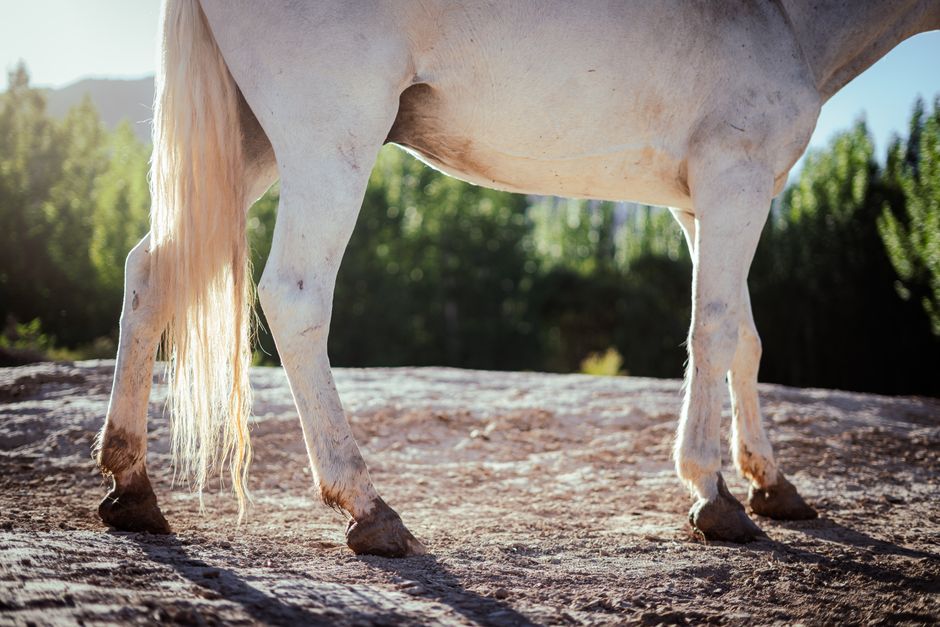
Quality laminitis pads feature specific design elements that maximize therapeutic benefits. These include graduated density zones that provide firmer support at the heels while offering softer cushioning toward the toe, channels or relief cuts that accommodate swollen frogs, and materials that maintain effectiveness across temperature ranges without becoming rigid in cold weather or excessively soft in heat.
The Outlaw Laminitis Founder Hoof Comfort Pad for Horses exemplifies these principles with master farrier-designed construction that addresses the unique needs of foundered horses. Such specialized pads work in concert with proper trimming and veterinary care to create optimal healing conditions.
Pressure mapping studies conducted on laminitic horses show that appropriate pad application can reduce peak pressures at the toe by up to forty percent while increasing support at the frog and heel regions. This mechanical advantage allows damaged laminae to heal without constant reinjury from normal weight-bearing activities.
Types of Pads and Material Considerations
Several pad types serve laminitic horses, each with specific applications. Full-coverage pads span the entire hoof sole, providing maximum cushioning and protection. Frog-support pads focus on elevating and cushioning the frog to stimulate circulation and reduce coffin bone descent. Rim pads attach primarily to the hoof wall perimeter, leaving the sole exposed while still providing shock absorption.

Material selection significantly impacts pad performance. Dense foam pads offer excellent cushioning but may compress excessively under sustained loads. Gel pads provide superior shock absorption and maintain consistent thickness but can be cost-prohibitive for long-term use. Composite materials combining multiple densities often deliver the best balance of support, durability, and therapeutic effectiveness.
Natural rubber compounds have gained popularity in recent years for their resilience and consistent performance. These materials resist compression set, meaning they return to original thickness after weight removal, ensuring reliable cushioning throughout the pad's lifespan. Additionally, rubber resists moisture absorption, preventing bacterial growth and maintaining hygienic conditions within the hoof capsule.
Breathability represents another crucial material consideration. Pads that trap moisture create ideal environments for thrush and other bacterial infections. Quality laminitis pads incorporate drainage channels or breathable materials that allow air circulation while preventing debris accumulation. When infections do occur, products like Outlaw Thrush Stuff provide effective treatment without requiring pad removal.
Application Protocols and Timing
Proper pad application requires careful attention to hoof preparation and positioning. Before applying any pad, the hoof must be thoroughly cleaned and trimmed according to veterinary and farrier recommendations. Dead sole material should be removed, and the frog trimmed to healthy tissue. Any concurrent infections require treatment before padding to prevent trapping pathogens against sensitive structures.

Timing pad application correctly within the disease progression proves critical. During acute laminitis episodes, immediate padding provides essential pain relief that allows horses to remain mobile, promoting crucial blood circulation. However, pads should not substitute for proper veterinary diagnosis and treatment—they serve as one component of comprehensive care protocols.
For horses experiencing chronic laminitis or recovering from founder, long-term pad use supports ongoing healing while preventing reinjury. Many horses benefit from continuous padding for months or even permanently, depending on the extent of laminar damage and coffin bone displacement. Regular monitoring ensures pads maintain proper position and effectiveness as hooves grow and remodel.
Application methods vary based on whether horses wear shoes. Pads can be placed between shoes and hooves with traditional farrier techniques, secured with adhesives directly to barefoot hooves, or incorporated into therapeutic boots for temporary application. Each method offers advantages depending on the horse's specific situation and management requirements.
Comprehensive Laminitis Management
While hoof pads provide essential mechanical support, successful laminitis management requires addressing multiple factors simultaneously. Dietary modifications to reduce inflammatory triggers, controlled exercise to maintain circulation without overloading damaged structures, and appropriate medications all contribute to recovery outcomes.
Hoof health fundamentally depends on nutrition reaching the hoof tissues. Compromised circulation during laminitis episodes means maintaining hoof integrity becomes even more critical. Regular application of quality hoof conditioners like Outlaw Nourish Natural Hoof Conditioner supports flexibility and moisture balance, preventing additional complications from dry, brittle hoof walls.
Environmental management plays an equally important role. Soft, dry footing reduces concussive forces while horses move during recovery. Deep bedding in stalls cushions hooves when standing. Limiting time on hard surfaces prevents excessive trauma to healing tissues. These environmental modifications work synergistically with therapeutic padding to create optimal healing conditions.
Regular farrier attention remains indispensable throughout laminitis treatment and recovery. Experienced farriers adjust trimming approaches to support laminar healing, modify pad applications as conditions change, and identify emerging complications before they become severe. This ongoing professional partnership ensures horses receive appropriate mechanical support throughout their recovery journey.
Long-Term Outcomes and Prevention
Horses that receive prompt, comprehensive laminitis treatment including appropriate hoof padding often achieve remarkable recovery, returning to comfortable movement and even athletic performance. However, laminitis survivors require lifelong attention to prevention strategies that minimize recurrence risk.
Metabolic management forms the cornerstone of laminitis prevention for horses with endocrine disorders like Equine Metabolic Syndrome or Pituitary Pars Intermedia Dysfunction. Weight control, restricted grazing during high-sugar periods, and appropriate dietary formulations reduce inflammatory triggers that initiate laminar damage.
Proactive hoof care prevents mechanical stresses that predispose horses to laminitis. Regular trimming maintains proper hoof balance, preventing excessive toe length that increases strain on laminae. Addressing concurrent hoof conditions promptly prevents complications—treating infections with targeted products like Outlaw Hoof Canker Care prevents secondary issues that compound laminitis challenges.
For horses with laminitis history, maintaining therapeutic padding during high-risk periods provides insurance against recurrence. Seasonal transitions, dietary changes, or health challenges all represent times when extra hoof support reduces the likelihood of repeated episodes. Many owners keep therapeutic pads available for immediate application at first signs of foot soreness.
Conclusion
Hoof pads designed specifically for laminitis represent powerful therapeutic tools that significantly improve comfort and healing outcomes for affected horses. By redistributing pressure, cushioning damaged tissues, and supporting proper biomechanics during recovery, these specialized pads address the mechanical challenges that laminitic hooves face. When integrated into comprehensive treatment protocols that include veterinary care, proper farrier attention, nutritional management, and quality hoof maintenance products, therapeutic padding helps horses recover from this devastating condition and return to comfortable, productive lives. For horse owners facing laminitis challenges in 2026, understanding pad options and application strategies empowers informed decisions that prioritize equine welfare and maximize healing potential.