

Understanding and Preventing Hoof Damage
The hoof is one of the most critical structures in a horse's anatomy, bearing the entire weight of the animal while absorbing tremendous impact forces during movement. As the old saying goes, "no hoof, no horse," and understanding hoof damage is essential for anyone responsible for equine care. In 2026, advances in natural hoof care solutions have made it easier than ever to prevent and address hoof issues before they become serious problems.
Hoof damage encompasses a wide range of conditions, from superficial cracks and chips to serious structural problems that can permanently affect a horse's soundness. Whether you're a horse owner, farrier, or equine professional, recognizing the early signs of hoof damage and implementing preventive measures can save your horse from pain and potentially costly veterinary interventions.
Common Types of Hoof Damage
Hoof damage manifests in numerous forms, each with distinct causes and treatment requirements. Understanding these different types helps horse owners respond appropriately when issues arise.
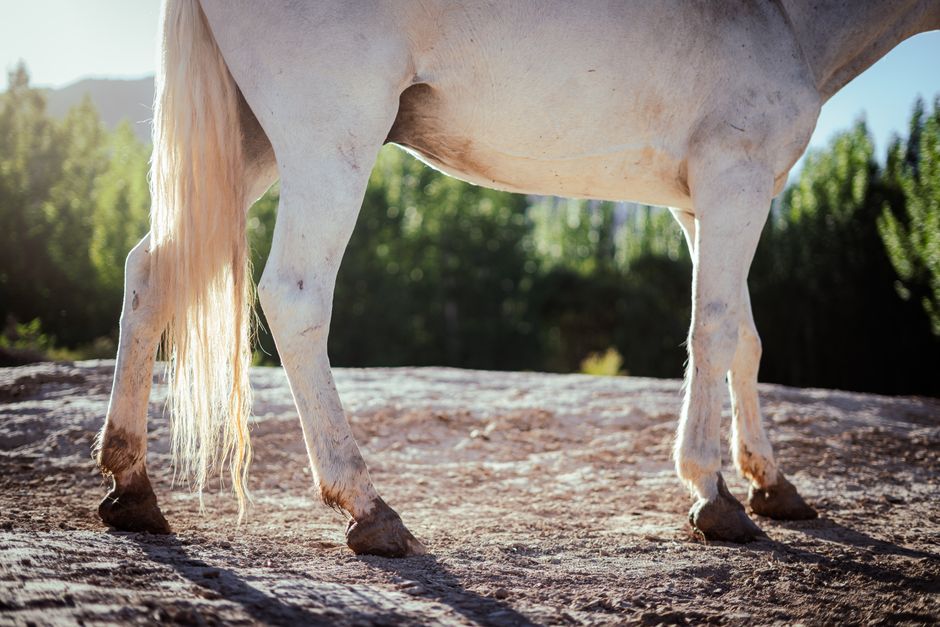
Cracks and chips are among the most visible forms of hoof damage. These can range from minor surface cracks that pose little concern to deep vertical cracks that extend into sensitive structures. Horizontal cracks often indicate past nutritional deficiencies or injury to the coronary band, while vertical cracks typically result from improper trimming, excessive dryness, or conformational issues.
Thrush represents a bacterial and fungal infection of the hoof's central and lateral sulci, producing a characteristic foul odor and black discharge. This condition damages the sensitive frog tissue and, if left untreated, can penetrate deeper structures. Specialized treatments like thrush remedies for horses provide targeted solutions that address both the infection and promote healthy tissue regeneration.
White line disease occurs when microorganisms invade the white line—the junction between the hoof wall and sole—causing separation and creating hollow spaces within the hoof. This separation weakens hoof integrity and can lead to significant structural damage if not addressed promptly.
Canker is a chronic, moist infection affecting the frog and sole, characterized by excessive growth of abnormal tissue. This serious condition requires aggressive treatment and meticulous management. Products specifically formulated for canker treatment in horses can help control this challenging condition.
Environmental Factors Contributing to Hoof Damage
The environment in which horses live plays a substantial role in hoof health. Moisture levels significantly impact hoof integrity—excessive wetness softens hooves and creates ideal conditions for bacterial and fungal growth, while extreme dryness causes brittleness and cracking.

Horses standing in muddy paddocks or poorly drained stalls face increased risk of hoof damage. The constant wet-dry cycle weakens the hoof structure, making it more susceptible to cracks, thrush, and other infections. Conversely, horses in arid climates may experience excessive drying, leading to brittle hooves that chip and crack easily.
Footing conditions also matter tremendously. Rocky terrain can cause bruising and chips, while abrasive surfaces wear hooves down faster than they grow. Deep sand can stress tendons and ligaments, indirectly affecting hoof balance and health. Regular assessment of turnout areas and stabling environments helps identify potential hazards before they cause problems.
Nutritional Impact on Hoof Integrity
Hoof quality directly reflects a horse's nutritional status. The hoof wall grows approximately one-quarter to one-half inch per month, meaning any nutritional deficiency becomes visible in the hoof structure months after the initial problem occurred.
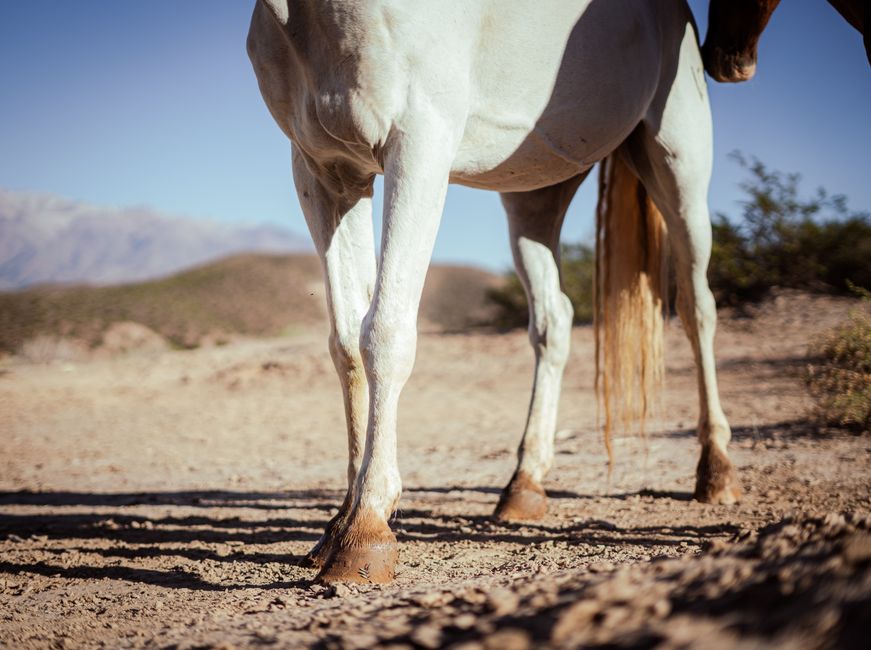
Biotin, zinc, copper, and methionine are essential nutrients for hoof development. Deficiencies in these elements result in weak, brittle hooves prone to cracking and damage. Protein quality matters as well—hooves are composed primarily of keratin, a structural protein requiring adequate amino acid availability.
While internal nutrition forms the foundation of hoof health, external support through natural hoof conditioners helps maintain optimal moisture balance and protects against environmental stressors. These topical treatments work in conjunction with proper nutrition to support overall hoof strength and flexibility.
Trimming and Shoeing Considerations
Improper hoof care practices represent a significant source of hoof damage. Over-trimming removes too much protective sole and weakening the hoof structure, while under-trimming allows excessive length that stresses the hoof capsule and supporting structures. Both extremes create imbalance that can lead to lameness and progressive damage.
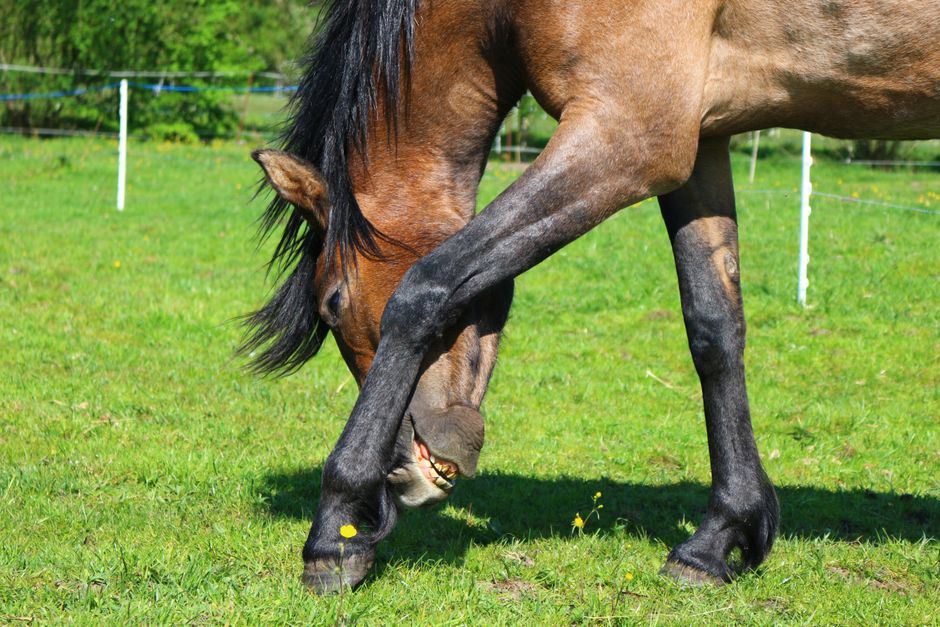
The timing of farrier visits matters considerably. Hooves that grow too long before trimming develop flares and distortions that stress the laminae—the sensitive structures bonding the hoof wall to the underlying tissues. These stresses can cause microscopic damage that accumulates over time, potentially leading to more serious conditions.
Shoeing decisions should be made carefully, considering the individual horse's needs, activity level, and hoof quality. Poorly fitted shoes create pressure points and can damage the hoof wall. Some horses benefit from going barefoot when conditions permit, allowing the hoof to function naturally and maintain better circulation.
Recognizing Early Warning Signs
Early detection of hoof problems prevents minor issues from becoming major damage. Horse owners should conduct regular hoof inspections, looking for changes in texture, color, shape, or smell.
Heat in the hoof often indicates inflammation or infection developing internally. A strong digital pulse—the arterial pulse felt at the back of the pastern—suggests increased blood flow to the area, typically accompanying injury or disease. Any black discharge, especially with foul odor, signals infection requiring immediate attention.
Changes in the way a horse moves can indicate hoof pain before visible damage appears. Shortened stride, reluctance to move forward, or favoring one leg all warrant immediate hoof examination. Horses experiencing discomfort may also shift weight repeatedly when standing or position themselves to reduce pressure on affected hooves.
Prevention and Treatment Strategies
Preventing hoof damage requires a comprehensive approach addressing multiple factors simultaneously. Maintaining clean, dry living conditions reduces infection risk significantly. Regular removal of manure and soiled bedding from stalls, combined with adequate drainage in turnout areas, creates an environment supporting hoof health.
Consistent farrier care on an appropriate schedule—typically every six to eight weeks for most horses—maintains proper hoof balance and prevents problems associated with overgrowth. Working with an experienced farrier who understands your horse's individual needs ensures optimal hoof care.
Daily hoof picking removes packed debris that can trap moisture and harbor harmful microorganisms. This simple practice takes only minutes but prevents numerous problems. During picking, inspect for signs of damage, infection, or abnormalities requiring professional attention.
When damage occurs, appropriate treatment products make a significant difference in recovery time and outcome. A comprehensive approach using complete hoof care solutions addresses multiple aspects of hoof health simultaneously, supporting the body's natural healing processes while protecting against further damage.
Conclusion
Hoof damage represents a serious concern for horse owners, but with proper understanding and preventive care, most problems can be avoided or minimized. Environmental management, appropriate nutrition, regular professional hoof care, and daily attention form the foundation of hoof health. When issues do arise, prompt recognition and treatment using quality products helps horses recover quickly and fully. By prioritizing hoof care and remaining vigilant for early warning signs, horse owners can ensure their animals remain sound and comfortable for years to come. Remember that consistent, proactive care always proves easier and more effective than treating advanced damage.