

Hoof Conditioning for Equine Athletes
The foundation of any successful equine athlete lies literally at their feet. Whether your horse competes in dressage, jumping, racing, or endurance riding, proper hoof conditioning can mean the difference between peak performance and career-ending lameness. Drawing from over 40 years of master farrier expertise, this comprehensive guide explores the essential practices that keep athletic horses performing at their best.
Why Hoof Health Matters for Performance Horses
Equine athletes place extraordinary demands on their hooves. Unlike pleasure horses that enjoy leisurely trail rides, performance horses experience repetitive impact forces, rapid directional changes, and prolonged periods of intensive work. These stresses make proper hoof conditioning not merely beneficial but absolutely essential for competitive success.
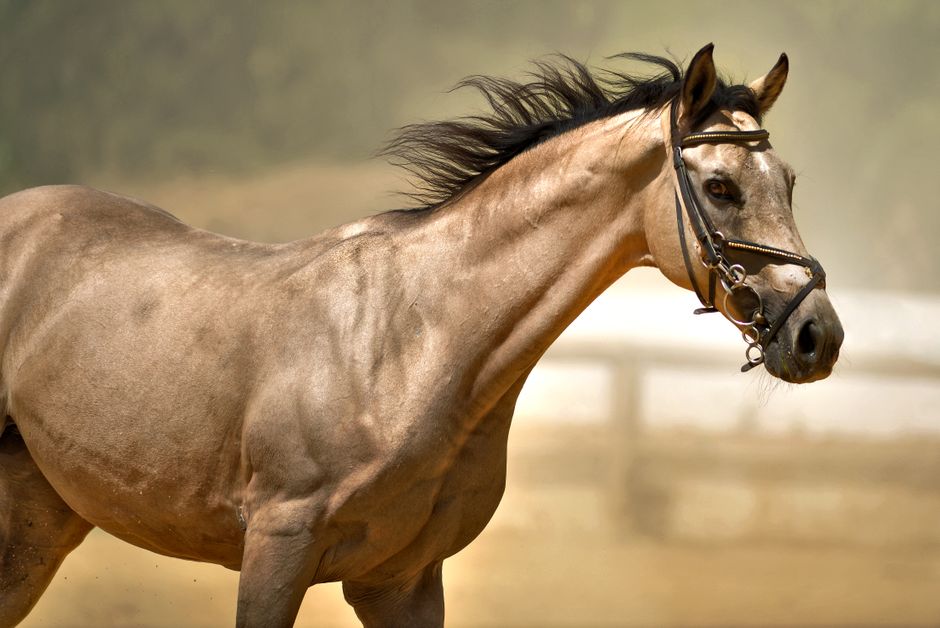
The equine hoof is a remarkable structure that absorbs shock, provides traction, and supports the entire weight of the horse during explosive athletic movements. When hooves are properly conditioned, they remain flexible yet strong, allowing for optimal biomechanics throughout the kinetic chain. Conversely, neglected hooves quickly develop problems that compromise performance and potentially end careers prematurely.
Research in human athletic conditioning, including studies by the American College of Sports Medicine, consistently demonstrates that foundation strength directly correlates with overall athletic performance. The same principle applies to horses, where hoof integrity serves as the literal foundation for everything above.
Understanding Hoof Structure and Athletic Demands
To properly condition hooves for athletic work, understanding their complex structure is essential. The hoof capsule consists of the outer hoof wall, sole, frog, and internal structures including the sensitive laminae, digital cushion, and navicular apparatus. Each component plays a specific role in shock absorption, circulation, and structural integrity.

Athletic horses require hooves that can handle specific demands based on their discipline. Barrel racers need hooves that provide secure traction during tight turns. Jumpers require hooves that absorb tremendous concussive forces upon landing. Endurance horses need hooves that maintain integrity over dozens of miles across varied terrain.
The digital cushion, a fibro-elastic structure within the hoof, becomes more developed and resilient with proper conditioning. This natural shock absorber improves with controlled exercise and appropriate hoof care, functioning much like how human athletes develop muscle and connective tissue strength through progressive training protocols.
Essential Components of Hoof Conditioning Programs
Effective hoof conditioning requires a multi-faceted approach that addresses nutrition, exercise, farrier care, and topical treatments. Each element supports the others, creating a comprehensive program that builds strong, resilient hooves capable of withstanding athletic demands.

Nutritional Foundation: Hoof quality begins from the inside out. Horses require adequate protein, particularly amino acids like methionine and lysine, along with biotin, zinc, copper, and omega-3 fatty acids. These nutrients support keratin production and overall hoof integrity. Athletic horses often have elevated nutritional requirements that exceed maintenance levels.
Progressive Exercise: Just as human athletes follow conditioning principles outlined in resources like the CDC physical activity guidance, equine athletes benefit from progressive loading. Controlled exercise stimulates circulation within the hoof, promoting healthy tissue development and strengthening the internal structures that support performance.
Professional Farrier Care: Regular trimming or shoeing maintains proper hoof balance and biomechanics. For athletic horses, this typically means appointments every four to six weeks. The farrier's expertise ensures that hooves maintain optimal angles and support structures appropriate for each horse's specific discipline and conformation.
Topical Conditioning: External hoof treatments play a crucial role in maintaining hoof wall flexibility and moisture balance. Using a natural hoof conditioner helps prevent brittle, cracked hooves while supporting the hoof's natural protective barriers against environmental stressors.
Preventing Common Athletic Hoof Problems
Athletic horses face heightened risks for specific hoof conditions that can sideline them from competition. Proactive conditioning helps prevent these issues before they impact performance or require extended recovery periods.

Thrush Prevention: The increased moisture from sweating during intense work, combined with time spent in stalls, creates ideal conditions for thrush development. This bacterial infection of the frog's central sulcus causes pain and lameness. Regular cleaning and application of proven thrush treatments maintain healthy tissue and prevent infection from taking hold.
White Line Integrity: The white line, where the hoof wall connects to the sole, can separate under the repetitive stresses of athletic work. These separations allow bacteria and debris to invade, creating cavities that weaken hoof structure. Maintaining white line integrity through proper trimming and targeted treatments prevents these performance-limiting conditions.
Sole Resilience: Thin or bruised soles cause pain that restricts a horse's willingness to move freely. Athletic horses require well-conditioned soles that can handle varied terrain and surfaces. Allowing appropriate sole thickness while promoting healthy growth creates the protective barrier performance horses need.
Heel and Frog Development: Proper heel height and robust frog development ensure adequate shock absorption and circulation. These structures often require specific attention in athletic horses, particularly those working on hard or artificial surfaces that don't provide the varied stimulation of natural terrain.
Conditioning Protocols for Different Disciplines
While fundamental hoof care principles apply universally, specific disciplines benefit from tailored conditioning approaches that address their unique demands.
Jumping Disciplines: Jumpers experience extreme concussive forces upon landing. Conditioning programs emphasize maximum shock absorption through well-developed digital cushions and appropriate hoof angles. Many jumpers benefit from shoes that provide additional support while maintaining proper biomechanics.
Dressage and Flat Work: These disciplines require precise balance and engagement. Hoof conditioning focuses on maintaining optimal angles that facilitate proper weight distribution and allow for the collected movements characteristic of upper-level dressage. Hoof balance directly influences the horse's ability to achieve proper frame and engagement.
Endurance and Distance Work: Horses covering long distances need hooves that maintain integrity over time and varied terrain. Conditioning emphasizes building resilient hoof walls, tough soles, and robust internal structures. Many endurance horses compete barefoot, requiring exceptionally well-conditioned hooves adapted to diverse surfaces.
Speed Events: Barrel racing, pole bending, and similar disciplines demand secure traction during rapid acceleration and tight turns. Hoof conditioning supports strong hoof walls that hold shoes securely while maintaining flexibility for the quick movements these events require.
Monitoring and Adjusting Your Conditioning Program
Successful hoof conditioning requires ongoing assessment and adjustment based on each horse's individual response and changing circumstances. Regular evaluation helps identify potential issues before they impact performance.
Monitor hoof growth rates, which vary between horses and seasons. Athletic horses in consistent work typically show better circulation and consequently improved growth rates. Changes in growth patterns may indicate nutritional deficiencies, circulation issues, or other systemic problems requiring attention.
Assess hoof wall quality by examining texture, flexibility, and the presence of cracks or rings. Quality hoof wall appears smooth with consistent growth patterns. Rings or irregular texture may indicate nutritional fluctuations or past illness, while excessive brittleness suggests moisture imbalance or insufficient conditioning.
Evaluate digital pulse and hoof temperature regularly, particularly after intense work. Increased digital pulse or heat may indicate inflammation, requiring investigation and potential modifications to training or conditioning protocols. Early detection prevents minor issues from developing into serious problems.
Track your horse's movement quality and willingness to work. Subtle changes in gait, reluctance to move freely on certain surfaces, or decreased performance often originate from hoof discomfort. Addressing these early warning signs prevents more significant problems and keeps horses competing at their best.
Explore related products and collections: Outlaw Hoof Canker Care for horses, Equine Canker, Proliferative pododermatitis in horses, White Line, Severe Thrush, Outlaw Laminitis Founder Hoof Comfort Pad for Horses, Thrush Treatment for Horses – Outlaw Thrush Stuff, White Line, Severe Thrush Central Sulcus thrush.
Conclusion
Hoof conditioning forms the essential foundation for equine athletic success. By implementing comprehensive programs that address nutrition, progressive exercise, professional farrier care, and appropriate topical treatments, you create the strong, resilient hooves that performance horses require. Whether you're conditioning a weekend competitor or a professional athlete, these principles remain constant: healthy hooves support optimal performance, prevent career-threatening injuries, and ensure your equine partner can pursue their athletic potential for years to come. The investment in proper hoof conditioning pays dividends through improved performance, reduced veterinary costs, and extended competitive careers.