

Canker Hoof: Causes, Treatment, and Prevention
Canker hoof, also known as proliferative pododermatitis, is a serious and challenging condition affecting the soft tissues of a horse's hoof. This chronic disease causes abnormal tissue growth that can severely compromise hoof health and, if left untreated, may lead to permanent lameness. Understanding canker hoof is essential for horse owners, farriers, and equine professionals who want to protect their horses from this debilitating condition.
Unlike the more common thrush, which affects the frog and central sulcus, canker is an aggressive condition characterized by excessive horn production and proliferative tissue growth. The disease typically starts in the frog but can spread to involve the sole, bars, and even the hoof wall in severe cases. Early recognition and aggressive treatment are critical for successful outcomes.
What Causes Canker Hoof in Horses
The exact cause of canker hoof remains somewhat unclear, though researchers and veterinarians have identified several contributing factors. The condition appears to be multifactorial, meaning multiple elements must combine to create an environment where canker can develop and flourish.
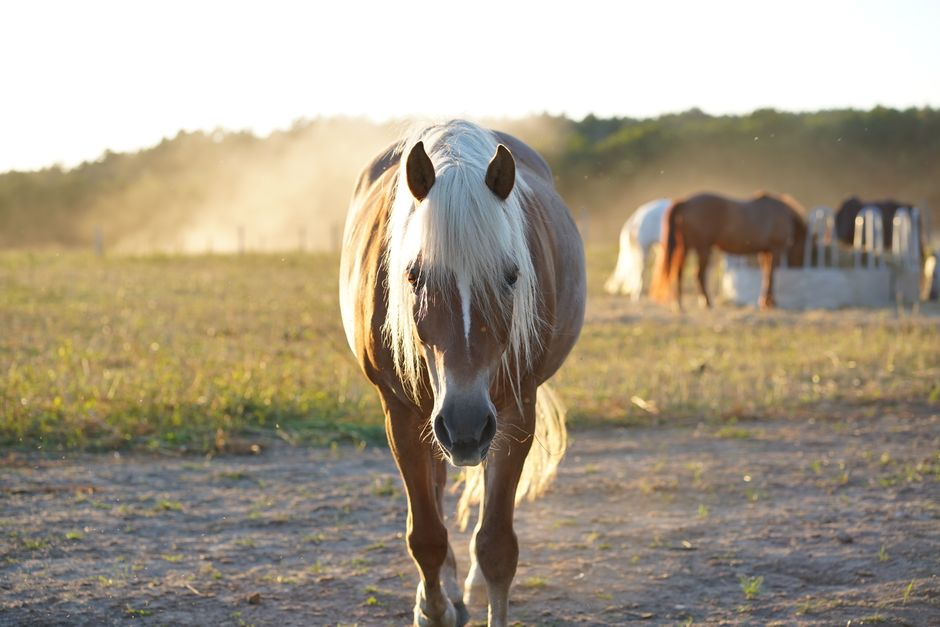
Chronic moisture exposure is considered one of the primary risk factors. Horses kept in consistently wet, unhygienic environments—such as muddy paddocks or poorly maintained stalls with accumulated manure and urine—face significantly higher risk. The constant moisture weakens the hoof's natural defenses and creates ideal conditions for bacterial and fungal invasion.
Poor circulation to the hoof structures may also play a role. Horses with limited movement or those confined to stalls for extended periods may develop compromised blood flow to the digital tissues. According to the CDC's physical activity guidelines, regular movement is essential for overall health, and this principle applies to horses as well—adequate exercise promotes healthy circulation throughout the body, including the hooves.
Additionally, immune system dysfunction or suppression may contribute to canker development. Some horses appear genetically predisposed to the condition, though environmental factors typically trigger actual disease manifestation. Draft breeds, particularly those with heavy feathering on their lower legs, seem more susceptible, possibly because moisture becomes trapped against the skin and hoof.
Identifying Canker: Signs and Symptoms
Early detection of canker hoof dramatically improves treatment outcomes. Horse owners should familiarize themselves with the warning signs so they can seek prompt veterinary and farrier attention when symptoms appear.

The most distinctive characteristic of canker is the presence of abnormal, cheese-like or cauliflower-textured tissue growth. This proliferative tissue appears grayish-white and produces a foul-smelling discharge. The affected areas feel soft and spongy rather than firm like healthy hoof tissue.
Unlike normal hoof structures, cankerous tissue bleeds easily when touched or scraped. Horse owners may notice blood-tinged discharge or spotting in the stall. The condition typically causes significant discomfort, though not always obvious lameness in early stages.
Common locations for canker to develop include:
- The frog, particularly the clefts and central sulcus
- The sole of the hoof
- The bars alongside the frog
- In advanced cases, the hoof wall's inner surface
The affected hoof often produces excessive moisture and has a distinctly offensive odor—much stronger than the smell associated with rotten frog. As the condition progresses, the abnormal tissue growth can become extensive, sometimes filling the entire sole area of the hoof.
Treatment Strategies for Canker Hoof
Treating canker hoof requires patience, dedication, and often a multifaceted approach combining mechanical debridement, topical treatments, and environmental management. Success depends heavily on the owner's commitment to following a rigorous treatment protocol.
The first step in canker treatment involves aggressive surgical debridement—the complete removal of all diseased tissue. A veterinarian or experienced farrier must carefully excise the abnormal growth down to healthy tissue. This process can be extensive and may need to be repeated multiple times as treatment progresses.
Following debridement, topical antimicrobial treatments must be applied consistently to prevent infection and discourage tissue regrowth. Specialized formulations designed specifically for severe hoof conditions prove most effective. Products like Outlaw Hoof Canker Care provide targeted treatment for canker and proliferative pododermatitis, leveraging natural ingredients backed by decades of farrier expertise.
Bandaging plays a crucial role in canker treatment. The affected hoof must be kept clean and dry, with bandages changed daily or even multiple times per day. This intensive care requirement means horse owners must be prepared for a significant time commitment—often lasting several months.
In some cases, veterinarians may prescribe systemic antibiotics if secondary bacterial infection has developed. However, topical treatment remains the cornerstone of canker management. Maintaining strict hygiene and preventing moisture accumulation are equally important as any medication applied to the hoof.
Environmental Management and Prevention
Preventing canker hoof centers on eliminating the environmental conditions that allow the disease to take hold. Horse owners can significantly reduce risk through thoughtful stable management and hoof care practices.

Moisture control is paramount. Stalls should be cleaned daily, with wet bedding removed promptly and replaced with clean, dry material. Horses living in wet climates or during rainy seasons benefit from access to dry standing areas, even if it means bringing them into covered spaces during the wettest periods.
Regular hoof care by a qualified farrier helps maintain proper hoof health and allows early detection of problems. Routine trimming ensures proper drainage from the frog and sole, preventing moisture accumulation. During these appointments, farriers can identify early signs of canker or other hoof diseases before they become severe.
Good general health supports hoof health. Just as the American College of Sports Medicine emphasizes the connection between overall fitness and specific health outcomes in humans, horses benefit from well-rounded care that includes appropriate nutrition, regular exercise, and routine veterinary attention.
For horses prone to hoof issues, preventive treatments can help maintain healthy tissue. Products like Outlaw Nourish Natural Hoof Conditioner help maintain optimal moisture balance in the hoof, preventing both excessive dryness and unhealthy moisture levels.
The Importance of Professional Expertise
Canker hoof should never be treated as a do-it-yourself project. This serious condition requires professional veterinary diagnosis and often a collaborative approach between veterinarians and farriers. The aggressive tissue removal necessary for successful treatment can cause significant bleeding and requires expert judgment to ensure all diseased tissue is removed without damaging healthy structures.
Experienced farriers bring invaluable knowledge to canker treatment. With over four decades of master farrier expertise informing product development and treatment approaches, professionals understand the nuances of different hoof conditions and can distinguish canker from similar-appearing diseases like severe thrush or white line disease.
Horse owners should seek practitioners familiar with canker treatment, as those with limited experience may underestimate the condition's severity or fail to pursue aggressive enough treatment. Don't hesitate to request referrals to specialists if your local veterinarian or farrier lacks experience with this particular condition.
Documentation throughout the treatment process helps track progress and identify what approaches work best for individual horses. Photographs taken at regular intervals provide visual evidence of improvement or indicate when treatment protocols need adjustment.
Long-Term Prognosis and Ongoing Care
The prognosis for horses with canker hoof varies considerably depending on how early treatment begins and how extensively the disease has progressed. Cases caught early and treated aggressively typically respond well, with complete resolution possible in many instances. However, advanced cases involving multiple areas of the hoof or those that have penetrated deeply into tissue layers present more significant challenges.
Even after successful treatment, affected horses often require ongoing monitoring and preventive care. Some horses experience recurrence, particularly if environmental conditions aren't adequately controlled or if genetic predisposition plays a strong role. Maintaining meticulous hoof hygiene and environmental management becomes a lifelong commitment for these horses.
Regular follow-up appointments allow veterinarians and farriers to catch any signs of recurrence quickly. During these visits, professionals can assess hoof health, make trimming adjustments that promote proper drainage, and recommend preventive treatments when necessary.
Horse owners should remain vigilant even after apparent cure. Understanding that canker can return helps maintain the discipline necessary for ongoing preventive care. Many experienced horse owners find that establishing routines for hoof inspection and cleaning becomes second nature over time, much like any other aspect of equine care.
Conclusion
Canker hoof represents one of the most challenging conditions affecting equine hoof health. This aggressive disease requires early recognition, professional treatment, and dedicated ongoing management. By understanding the causes, recognizing symptoms early, pursuing aggressive treatment with proven products like specialized canker care formulations, and maintaining excellent environmental conditions, horse owners can successfully combat this serious condition. Prevention through proper stable management, regular farrier care, and attention to overall horse health remains the best strategy. With commitment and expert guidance, most horses with canker can return to soundness and maintain healthy hooves for years to come.
Explore related products and collections: Outlaw Hoof Canker Care for horses, Equine Canker, Proliferative pododermatitis in horses, White Line, Severe Thrush, Outlaw Laminitis Founder Hoof Comfort Pad for Horses, Outlaw Medi Done.