

Rotten Frog: Understanding This Horse Hoof Condition
The frog is a crucial yet often overlooked component of your horse's hoof anatomy. When this V-shaped structure on the underside of the hoof becomes compromised by bacterial or fungal infection, it leads to a condition commonly known as "rotten frog" or frog thrush. Understanding what causes this condition, how to recognize it, and most importantly, how to treat and prevent it is essential for maintaining your horse's soundness and overall health. For further insights into proactive hoof care, explore information on Understanding Equine Supplements and Hoof Health.
What Is the Frog and Why Does It Matter?
The frog serves multiple critical functions in equine hoof health. This triangular, rubbery structure acts as a shock absorber when your horse moves, helps pump blood back up the leg with each step, and provides traction on various surfaces. The frog also protects sensitive internal structures of the hoof and plays a vital role in the horse's circulatory system through what's known as the hoof mechanism.

When healthy, the frog should be firm yet slightly pliable, with a clean appearance and minimal odor. It should form a well-defined V-shape pointing toward the toe, with a central sulcus (the groove running down its center) that is relatively shallow and clean. Any deviation from this healthy state warrants attention, as problems with the frog can quickly escalate and affect your horse's comfort and performance.
Recognizing a Rotten Frog: Signs and Symptoms
Identifying a rotten frog early is crucial for effective treatment. The most obvious sign is a foul, distinctive odor that many horse owners describe as reminiscent of decay or rot. This smell is often the first indicator that something is wrong, even before visual changes become apparent.
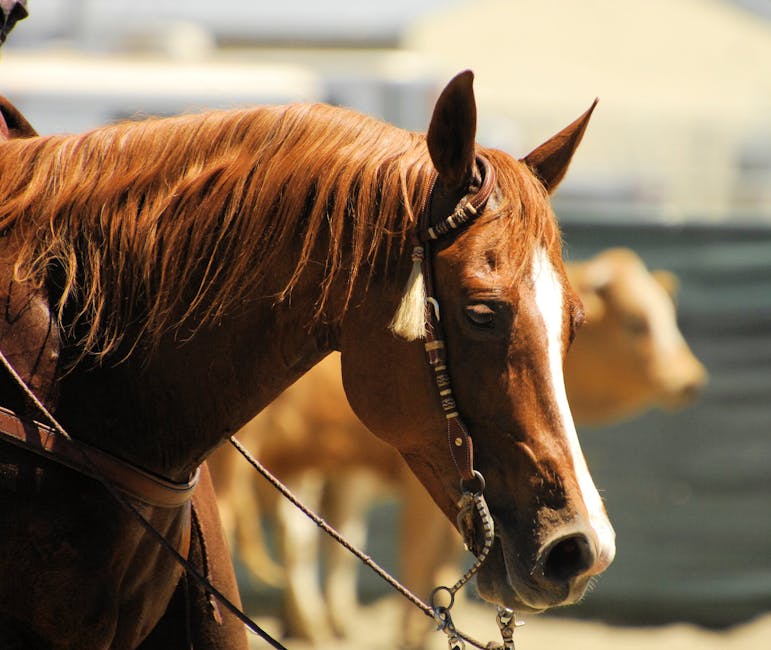
Visual symptoms of a rotten frog include:
- Black, gray, or dark discoloration of the frog tissue
- Soft, mushy, or crumbly texture when pressed
- Deep crevices or cavities in the central sulcus or collateral grooves
- Discharge or black, cottage cheese-like material
- Ragged edges or pieces of frog sloughing off
- Sensitivity or pain when the area is touched or cleaned
In advanced cases, the infection can penetrate deeper into the hoof structures, potentially causing lameness and affecting your horse's willingness to work. Some horses may show subtle changes in gait or reluctance to move on hard or uneven surfaces. Just as maintaining physical health requires attention to detail, as noted by experts at the CDC's physical activity guidelines, maintaining hoof health demands consistent observation and care.
Common Causes of Frog Deterioration
Understanding what causes a rotten frog helps in both treatment and prevention. The primary culprit is an anaerobic bacterial infection, often caused by Fusobacterium necrophorum, though fungal organisms can also contribute to the problem. These pathogens thrive in wet, oxygen-deprived environments.

Environmental factors that contribute to frog rot include:
- Prolonged exposure to wet, muddy conditions
- Standing in urine-soaked bedding or manure
- Poor stable hygiene and inadequate stall cleaning
- Excessive moisture without proper drainage
- Deep, dirty collateral grooves that trap debris
Management-related factors also play a significant role. Infrequent hoof cleaning allows bacteria to accumulate and multiply. Improper trimming that creates deep crevices or removes too much healthy frog tissue can make horses more susceptible. Conversely, leaving excessive ragged frog material provides hiding places for bacteria. Horses with poor conformation, contracted heels, or thrush-prone hoof shapes face higher risk, and those with compromised immune systems may be less able to fight off infection naturally. For comprehensive care, consider our guide on Outlaw Horse: Natural Hoof Care Excellence.
Effective Treatment Strategies for Rotten Frog
Treating a rotten frog requires a multi-faceted approach combining thorough cleaning, targeted antimicrobial treatment, and environmental management. The first step is careful debridement—removing all loose, diseased tissue to expose healthy frog material and allow oxygen to reach the affected areas. This should be done carefully to avoid causing bleeding or removing too much tissue at once.
Daily cleaning becomes essential during treatment. Pick out the hooves at least twice daily, ensuring you thoroughly clean the central sulcus and collateral grooves. Use a stiff brush to remove all debris, and consider gentle flushing with clean water to dislodge deeply embedded material. For specific cases of infection, learning How to Clean an Infected Horse Foot can provide vital guidance.
For targeted treatment, many farriers and equine professionals recommend specialized products designed to combat the organisms causing frog rot. A thrush treatment specifically formulated for horses can penetrate deep into crevices and create an environment hostile to bacterial and fungal growth. When the condition is more severe or has progressed to affect other hoof structures, a comprehensive approach using products like specialized canker care treatments may be necessary to address proliferative tissue and deep infection.
Consistency is key. Apply treatments as directed, typically once or twice daily, and continue treatment for at least a week after visible improvement to ensure complete resolution. Some cases may require several weeks of dedicated care, much like how the American College of Sports Medicine emphasizes consistency in health and wellness programs.
Prevention: Keeping Frogs Healthy Long-Term
Preventing rotten frog is far easier than treating it. The foundation of prevention is environmental management. Keep stalls clean and dry with regular mucking and fresh bedding. Ensure paddocks have good drainage and avoid muddy areas where horses congregate. If wet conditions are unavoidable, provide a dry area where your horse can stand for significant portions of the day.
Daily hoof care should be non-negotiable. Pick out hooves at least once daily, twice if possible, paying special attention to cleaning the frog area thoroughly. Regular farrier visits every six to eight weeks ensure proper trimming that promotes healthy frog development and prevents deep crevices from forming.
Supporting overall hoof health with proper nutrition and conditioning products can strengthen your horse's natural defenses. After thoroughly cleaning and drying the hooves, applying natural hoof conditioners can help maintain the frog's proper texture and resilience while creating a protective barrier against environmental moisture. For enhanced protection against these issues, consider utilizing Hoof Sealant: Protecting Your Horse's Hooves.
Monitor your horse's hooves regularly for early signs of problems. Just as quality rest supports overall health according to sleep health experts, consistent attention to hoof health supports your horse's overall soundness and performance.
When to Call the Veterinarian or Farrier
While many cases of rotten frog can be managed with diligent home care, some situations require professional intervention. Seek help if you notice lameness or obvious pain when your horse walks, if the infection doesn't improve after two weeks of consistent treatment, or if you see signs of deep infection spreading to other hoof structures.
Cases involving excessive tissue proliferation, severe tissue destruction, or bleeding from the frog area warrant immediate professional attention. Your farrier can provide expert trimming and treatment recommendations, while your veterinarian can prescribe systemic antibiotics if the infection has become severe or systemic.
Conclusion
A rotten frog is a common but preventable condition that can significantly impact your horse's comfort and performance if left untreated. By understanding the causes, recognizing early symptoms, implementing effective treatment protocols, and maintaining diligent prevention practices, you can keep your horse's frogs healthy and functional. Remember that the key to success lies in consistency—regular hoof cleaning, proper environmental management, and prompt attention to any signs of trouble will keep your horse sound and comfortable for years to come. With the right care and attention, you can prevent this troublesome condition and maintain optimal hoof health for your equine partner.