

Hoof Sealant: Protecting Your Horse's Hooves
Horse hooves endure constant stress from daily activities, environmental conditions, and various terrain challenges. As the foundation of equine health, maintaining hoof integrity is crucial for overall performance and well-being. Hoof sealants have emerged as an essential component of comprehensive hoof care programs, offering protection against moisture, bacterial invasion, and structural deterioration. Understanding how these products work and when to use them can make a significant difference in your horse's hoof health and longevity.
Understanding Hoof Sealants and Their Purpose
Hoof sealants are specialized topical applications designed to create a protective barrier on the external hoof structure. Unlike traditional hoof oils or dressings that primarily condition the hoof, sealants form a semi-permeable layer that manages moisture balance while protecting against environmental contaminants. This protective coating helps prevent excessive moisture absorption in wet conditions and reduces moisture loss in dry climates.
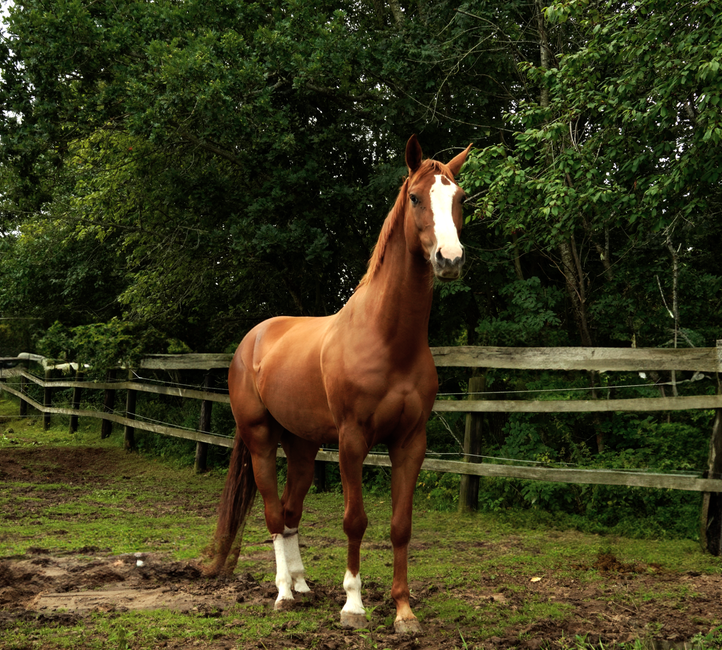
The hoof wall naturally contains moisture that contributes to its flexibility and strength. However, environmental extremes can disrupt this balance. Excessive moisture exposure from muddy paddocks or constant wet conditions can lead to soft, weak hooves susceptible to bacterial and fungal infections. Conversely, arid climates and dry conditions can cause brittleness and cracking. Quality sealants address both scenarios by regulating moisture exchange.
Modern hoof sealants serve multiple functions beyond moisture management. They create barriers against caustic substances in bedding, protect freshly trimmed or shod hooves, and help maintain the natural hoof capsule integrity between farrier visits. Some formulations include antimicrobial properties that provide additional defense against conditions like thrush and white line disease.
When to Apply Hoof Sealants
Timing and application strategy significantly impact the effectiveness of hoof sealants. Farriers and equine professionals typically recommend applying sealants immediately after trimming or shoeing, when the hoof has been freshly prepared and is most receptive to product absorption. This timing allows the sealant to bond effectively with the hoof wall before exposure to ground contaminants.

Horses stabled in wet environments or those competing in water-intensive disciplines benefit particularly from regular sealant applications. Eventing horses, for instance, frequently encounter water obstacles that can compromise hoof integrity. Similarly, horses in consistently muddy turnout conditions face increased risk of bacterial infections that sealants help prevent.
For horses dealing with specific hoof conditions, sealants play a supportive role in comprehensive treatment protocols. When addressing issues like thrush, applying a treatment such as thrush treatment first, followed by a sealant after the condition resolves, helps prevent recurrence. The same principle applies to white line disease and other bacterial invasions where maintaining a protective barrier supports healing.
Frequency of application depends on environmental factors, hoof quality, and individual horse needs. Some horses require weekly applications during extreme weather conditions, while others maintain adequate protection with bi-weekly or monthly treatments. Observing hoof response and consulting with your farrier ensures an appropriate schedule.
Application Techniques for Optimal Results
Proper application technique maximizes sealant effectiveness and ensures even coverage. Begin with clean, dry hooves—moisture on the surface prevents proper bonding and reduces sealant longevity. Use a stiff brush to remove debris, mud, and loose material from the hoof wall, sole, and frog area. Allow hooves to air dry completely if recently washed, as trapped moisture beneath sealant can create an environment conducive to bacterial growth.

Apply sealants according to manufacturer instructions, paying attention to recommended coverage areas. Most sealants are designed for hoof wall application, though some products suit sole and frog use. Use a dedicated brush to apply an even coat, working from the coronary band downward to the ground surface. Avoid pooling or excessive buildup, which can create uneven drying and reduced flexibility.
For horses receiving natural hoof conditioner products, coordinate application timing appropriately. Conditioning products should typically be applied to clean hooves and allowed to absorb before sealant application, as the sealant will lock in the conditioning benefits while providing external protection.
Consider environmental conditions during application. Sealants require adequate drying time, typically ranging from 30 minutes to several hours depending on formulation. Applying sealants before turnout into wet conditions or immediately before exercise compromises bonding. Schedule applications when horses can stand on dry surfaces during the curing period.
Choosing the Right Hoof Sealant
The equine market offers numerous sealant formulations, each with distinct characteristics and intended applications. Natural-based sealants derived from plant resins, oils, and waxes provide breathability while offering protection. These formulations align well with holistic care philosophies and minimize exposure to synthetic chemicals. Synthetic sealants often provide longer-lasting barriers and increased water resistance but may reduce hoof wall breathability.

Consider your horse's specific needs when selecting products. Horses with naturally strong, healthy hooves may only require basic protection during environmental challenges. Those with compromised hoof quality, previous infections, or chronic conditions benefit from therapeutic formulations. Products from experienced farrier sources, backed by decades of practical application knowledge, often deliver superior results compared to mass-market alternatives.
Compatibility with other hoof care products matters significantly. If your maintenance routine includes specialized treatments for conditions like canker or severe infections, ensure your sealant complements rather than interferes with these protocols. Some therapeutic products, such as specialized canker treatments, work best when used independently or in specific sequences with sealants.
Just as maintaining overall health requires attention to physical activity—as outlined in guidelines from organizations like the CDC's physical activity recommendations—equine wellness demands comprehensive care strategies where each component supports the others.
Natural Alternatives and Complementary Approaches
While commercial sealants offer convenience and consistency, natural alternatives merit consideration for horse owners seeking minimal intervention approaches. Traditional farriers have long used pine tar, which provides natural antimicrobial properties and moisture protection. Though messier than modern formulations, pine tar remains effective for specific applications, particularly in treating and preventing thrush in wet conditions.
Hoof oils and conditioners, while not true sealants, contribute to hoof health by nourishing the structure and supporting natural resilience. Regular application of quality conditioning products maintains flexibility and reduces the need for intensive sealing interventions. These products work best as part of integrated care programs rather than standalone solutions.
Environmental management significantly impacts hoof health and may reduce sealant dependency. Improving drainage in paddocks, providing dry standing areas, and maintaining clean stabling conditions address underlying causes of hoof problems rather than merely treating symptoms. Combined with appropriate product use, environmental modifications create optimal conditions for hoof health.
Understanding your horse's unique needs, much like athletes require personalized training approaches as suggested by experts at the American College of Sports Medicine, helps develop effective hoof care strategies. Some horses thrive with minimal intervention, while others require comprehensive protection protocols.
Long-Term Hoof Health Management
Successful hoof care extends beyond product application to encompass nutrition, regular farrier visits, and ongoing observation. Quality protein, essential fatty acids, biotin, and minerals like zinc and copper support hoof growth and strength from within. While external products protect existing structures, proper nutrition enables the body to generate healthy hoof material.
Consistent farrier care remains fundamental to hoof health. Regular trimming maintains proper balance, removes compromised tissue, and allows early detection of developing problems. Discuss sealant use with your farrier, who can recommend specific products and application schedules based on your horse's individual hoof characteristics and workload.
Monitor hoof response to sealant applications carefully. Signs of improvement include stronger hoof walls, reduced chipping, and better moisture balance. Conversely, excessive softening, unusual odors, or deteriorating hoof quality suggest product incompatibility or improper application. Adjust your approach based on observed outcomes rather than rigid adherence to predetermined schedules.
Explore the full range of equine supplements and hoof health products available to address specific challenges your horse may face throughout different seasons and life stages. Building a comprehensive toolkit enables responsive care that adapts to changing needs.
Conclusion
Hoof sealants represent valuable tools in the equine care arsenal, offering protection against environmental challenges while supporting overall hoof integrity. When selected appropriately and applied correctly, these products extend time between farrier visits, prevent common hoof problems, and maintain optimal moisture balance. Success requires understanding your horse's individual needs, coordinating sealant use with other care practices, and maintaining consistency in application. By integrating quality sealants into comprehensive hoof care programs that include proper nutrition, regular farrier services, and environmental management, horse owners provide their animals with the foundation for long-term soundness and performance. The investment in preventive hoof care pays dividends in reduced treatment costs, improved comfort, and enhanced quality of life for horses across all disciplines and activity levels.