

Best Hoof Conditioner for Dry Hooves
Dry, brittle hooves remain one of the most common challenges facing horse owners and farriers in 2026. When hooves lose essential moisture and natural oils, they become susceptible to cracks, chips, and structural weakness that can compromise your horse's soundness and performance. Understanding what causes hoof dryness and how to select the right conditioner can make the difference between healthy, resilient hooves and ongoing maintenance issues.
Drawing from over four decades of master farrier expertise, this comprehensive guide explores the characteristics of truly effective hoof conditioners, what ingredients deliver real results, and how to implement a conditioning routine that addresses dry hooves at their source rather than simply masking symptoms. For a deeper dive into overall hoof health products, explore our Professional Horse Hoof Care Products Guide.
Understanding Why Hooves Become Dry
Before selecting a hoof conditioner, it's essential to understand the underlying causes of hoof dryness. The hoof wall contains a delicate balance of moisture, proteins, and lipids that work together to maintain flexibility and strength. When this balance is disrupted, the hoof becomes prone to environmental damage and structural compromise.

Environmental factors play a significant role in hoof moisture loss. Arid climates, sandy soil conditions, and exposure to dry barn environments can all draw moisture from the hoof wall. Conversely, excessive wet conditions followed by dry periods create a cycle of expansion and contraction that damages the hoof's cellular structure. For sensitive hooves needing extra care, refer to our guide on Hoof Health for Sensitive Hooves.
Nutritional deficiencies also contribute to poor hoof quality. Horses lacking adequate biotin, essential fatty acids, and key minerals often develop hooves that cannot retain moisture effectively. Even with external conditioning treatments, internal nutrition must support hoof health from the inside out.
Improper trimming or shoeing practices can compromise the hoof's natural moisture retention mechanisms. When the hoof wall's protective periople is damaged or removed excessively, the internal structures lose their first line of defense against moisture loss.
Key Ingredients in Effective Hoof Conditioners
Not all hoof conditioners are created equal. The most effective formulations contain specific ingredients that penetrate the hoof wall, restore flexibility, and create a protective barrier without sealing the hoof completely. Natural ingredients often outperform synthetic alternatives because they work with the hoof's biology rather than against it.
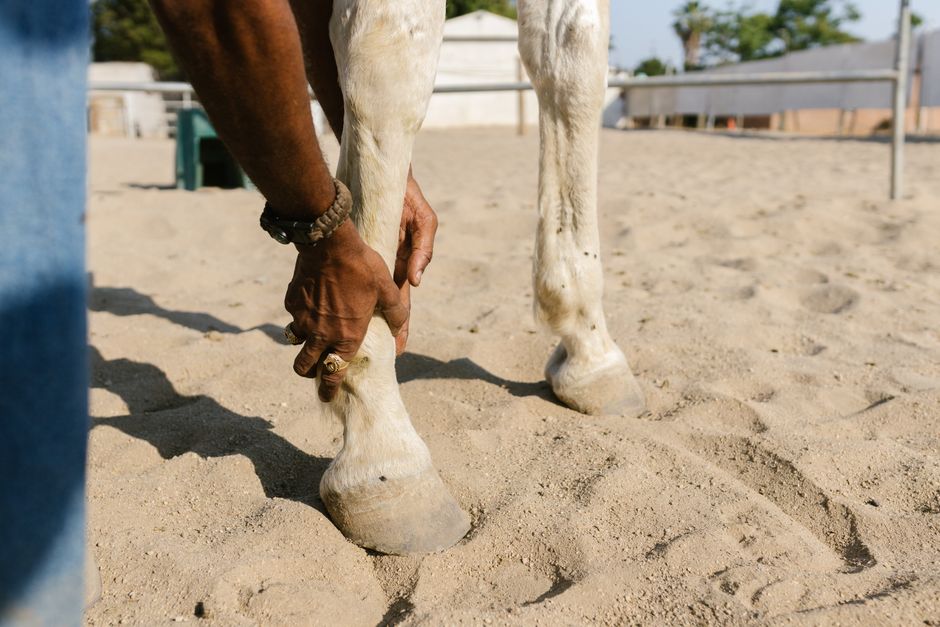
Quality hoof conditioners incorporate penetrating oils that can reach the deeper layers of the hoof wall. These oils must be molecular small enough to absorb without leaving a heavy, greasy residue that attracts dirt and debris. Natural oils derived from plant sources typically offer superior absorption compared to petroleum-based products.
Emollients and humectants help the hoof retain existing moisture while drawing additional hydration from the environment when conditions are favorable. This dual action prevents the extreme drying that occurs when conditioners simply coat the surface without addressing internal moisture needs.
Protective waxes in premium formulations create a breathable barrier that shields against excessive moisture loss without preventing the natural exchange of gases and water vapor that healthy hooves require. This balanced approach maintains hoof integrity during varying weather conditions. For more options on keeping hooves moisturized, explore the Best Moisturiser for Horse Hooves.
Products like Outlaw Nourish Natural Hoof Conditioner combine these elements in formulations developed through extensive farrier experience, ensuring that each ingredient serves a specific purpose in restoring and maintaining hoof health.
Application Techniques That Maximize Results
Even the highest quality hoof conditioner delivers suboptimal results when applied incorrectly. Proper application technique ensures maximum absorption and effectiveness, transforming dry, brittle hooves into strong, flexible structures that can withstand the demands placed on them.
Begin with a clean, dry hoof. Remove all dirt, debris, and loose material from the hoof wall, sole, and frog areas. Conditioning products cannot penetrate effectively through layers of mud or grime, and trapping bacteria beneath a conditioner can create additional problems.
Apply conditioners to the entire hoof structure, not just the visible hoof wall. The coronary band, where new hoof growth emerges, benefits tremendously from conditioning treatments. The sole and frog also require moisture balance, though these areas need products that won't soften them excessively.
Timing matters significantly. Apply conditioners when the hoof can absorb them most effectively, typically after light exercise when blood flow to the hoof has increased. Avoid applying heavy conditioners immediately before turnout in sandy or dusty conditions, as this attracts abrasive particles that damage the hoof wall.
Consistency produces superior results compared to sporadic intensive treatments. Daily application during severe dry periods, transitioning to several times weekly for maintenance, keeps hooves consistently conditioned without overwhelming their natural moisture regulation systems.
Addressing Underlying Hoof Health Issues
While conditioning treatments address surface dryness, they work best as part of a comprehensive hoof care program that considers overall hoof health. Dry hooves often occur alongside other conditions that require specific attention beyond simple moisturizing.
Thrush frequently develops in hooves that alternate between wet and dry conditions. This bacterial infection compromises hoof structure and can prevent effective conditioning. Addressing thrush with targeted treatments like specialized thrush remedies prepares the hoof to benefit fully from conditioning programs.
White line disease creates separation between hoof layers, making moisture regulation extremely difficult. These compromised areas require specific treatment protocols before standard conditioning can restore normal hoof function. Products designed for white line issues address the structural damage that dryness can both cause and result from.
Canker and other proliferative conditions demand specialized care that goes beyond conditioning. When facing severe hoof pathology, professional-grade solutions like targeted canker treatments address the root problems while conditioning products support overall hoof recovery. For more general information on this condition, see our article on Hoof Canker: Causes, Treatment & Prevention.
Regular farrier care remains essential. Even the best conditioning program cannot compensate for improper trimming or unbalanced hooves. Partner with an experienced farrier who understands how hoof mechanics affect moisture retention and overall hoof health.
Natural Versus Synthetic Formulations
The debate between natural and synthetic hoof conditioners continues among equine professionals, with compelling evidence supporting natural formulations for long-term hoof health. Understanding the differences helps horse owners make informed decisions that benefit their animals beyond superficial improvements.
Natural conditioners derived from plant oils, beeswax, and botanical extracts typically offer superior biocompatibility with hoof tissue. These ingredients have molecular structures that the hoof recognizes and accepts, facilitating deeper penetration and more effective moisture restoration.
Synthetic formulations often provide immediate cosmetic improvements, creating a glossy appearance that can be misleading. However, many petroleum-based products create impermeable barriers that prevent natural moisture exchange, potentially worsening hoof condition over time despite initial improvements.
Long-term use of natural conditioners supports the hoof's ability to self-regulate moisture content. Rather than creating dependency on external products, quality natural formulations help restore the hoof's natural functions, eventually requiring less frequent application as hoof health improves.
Environmental considerations also favor natural products. Formulations that avoid harsh chemicals and synthetic ingredients are safer for horses, handlers, and the environment. Natural ingredients break down harmlessly rather than accumulating in soil and water systems.
Monitoring Progress and Adjusting Your Approach
Successful hoof conditioning requires ongoing assessment and adjustment based on how individual horses respond to treatment. What works effectively for one horse may need modification for another based on breed, environment, workload, and underlying health factors.
Document hoof condition with photographs taken from consistent angles and distances. Visual records reveal subtle improvements or deterioration that might go unnoticed during daily care routines. Photograph all four hooves monthly to track progress accurately.
Monitor hoof growth rates and quality of new growth emerging from the coronary band. Improved conditioning often manifests first in new hoof growth, with healthier, more flexible tissue gradually replacing dry, brittle older growth over several months.
Adjust conditioning frequency based on seasonal changes and environmental conditions. Horses may require daily conditioning during winter months when indoor heating creates extremely dry conditions, while spring and fall might need only maintenance applications several times weekly.
Pay attention to how hooves respond to moisture. Properly conditioned hooves should maintain flexibility without becoming soft or crumbly. If hooves seem excessively soft after conditioning, reduce application frequency or consult with an experienced farrier about underlying nutritional or structural issues.
Conclusion
Selecting the best hoof conditioner for dry hooves requires understanding both the products available and the underlying causes of hoof dryness. Effective solutions combine quality natural ingredients, proper application techniques, and comprehensive hoof care that addresses the whole horse rather than isolated symptoms. By choosing conditioners formulated with farrier expertise and backed by decades of practical experience, horse owners can restore and maintain hoof health that supports optimal performance and soundness. Remember that conditioning works best as part of an integrated approach including proper nutrition, regular farrier care, and prompt attention to any emerging hoof pathology. With consistent, informed care, even severely dry hooves can recover their natural strength and resilience.