

Hoof Health for Sensitive Hooves
Sensitive hooves present unique challenges for horse owners and equine professionals. Whether your horse experiences tenderness from thin soles, chronic thrush, inflammatory conditions, or environmental factors, proper hoof care requires specialized attention and a deep understanding of what makes hooves vulnerable. Drawing on over 40 years of master farrier expertise, this comprehensive guide examines the causes, prevention strategies, and natural treatment approaches for maintaining optimal hoof health for sensitive hooves.
Understanding Why Some Hooves Are More Sensitive
Hoof sensitivity can stem from multiple underlying factors, each requiring different management approaches. Thin-soled horses naturally experience more discomfort when walking on rocky or uneven terrain, as there's less protective barrier between the coffin bone and the ground surface. Genetic predisposition plays a significant role, with certain breeds demonstrating naturally weaker hoof walls or softer horn quality.
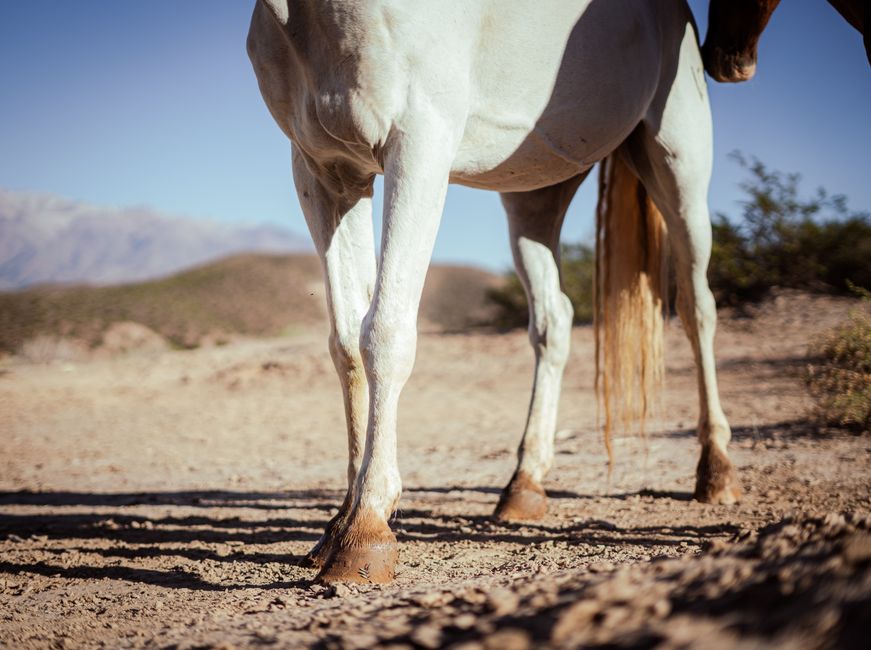
Environmental conditions dramatically impact hoof sensitivity. Horses kept in consistently wet conditions develop softer hooves that are more prone to bruising and bacterial infections. Conversely, extremely dry climates can cause hooves to become brittle and crack, exposing sensitive internal structures. The cycle of wet and dry conditions proves particularly damaging, as the constant expansion and contraction weakens structural integrity.
Inflammatory conditions such as laminitis create profound sensitivity throughout the entire hoof capsule. Following a laminitic episode, many horses require extended periods of careful management and specialized support. For horses experiencing founder-related discomfort, therapeutic interventions like the Outlaw Laminitis Founder Hoof Comfort Pad can provide cushioning relief while the hoof structures heal and reestablish proper alignment.
Nutritional deficiencies may manifest as weak, flaky, or slow-growing hooves that lack the resilience to withstand normal use. Inadequate protein, biotin, zinc, copper, and essential fatty acids all contribute to poor hoof quality. Just as proper nutrition supports overall health—similar to how the CDC recommends balanced approaches to physical wellness—horses require comprehensive nutritional support for optimal hoof development.
Recognizing Early Warning Signs
Identifying sensitivity issues early allows for prompt intervention before minor problems escalate into serious complications. Horses with sensitive hooves often demonstrate reluctance to move forward freely, especially on hard or rocky surfaces. You may notice shortened strides, toe-first landing patterns instead of heel-first contact, or unwillingness to turn in tight circles.

Visual inspection reveals important clues about hoof health. Look for recurring bruising patterns, particularly along the sole or quarters. Red or dark discoloration in the white line indicates inflammation or separation. Cracks radiating from the coronary band or horizontal rings around the hoof wall suggest periods of stress or nutritional insufficiency during hoof growth.
Foul odors emanating from the hoof often signal bacterial or fungal infections. Thrush, characterized by black, necrotic tissue in the central sulcus and collateral grooves, creates painful sensitivity while actively destroying healthy tissue. When caught early, conditions like thrush respond well to targeted treatments. The Outlaw Thrush Stuff offers a natural approach to addressing these bacterial invasions while promoting tissue regeneration.
Heat in the hoof wall or digital pulse changes indicate active inflammation requiring immediate veterinary assessment. Sensitivity when applying hoof testers during routine examinations pinpoints specific areas of concern, guiding appropriate treatment protocols.
Daily Management Strategies
Consistent daily care forms the foundation of sensitive hoof management. Regular hoof picking removes debris that can trap moisture and harbor bacteria. Pay particular attention to the central sulcus and collateral grooves where thrush typically originates. During wet seasons, consider picking hooves multiple times daily to minimize moisture exposure.

Maintaining appropriate moisture balance proves essential for sensitive hooves. In dry conditions, regular application of quality hoof conditioners prevents excessive brittleness and cracking. Natural formulations that penetrate deeply while allowing hooves to breathe work most effectively. Equine Hoof Care Specialists Products Guide provides comprehensive nourishment that supports flexibility and strength without creating an impermeable barrier that traps moisture.
Environmental management significantly impacts hoof health. Provide dry standing areas during wet periods and ensure adequate drainage in paddocks and stalls. In excessively dry climates, consider occasional water exposure to prevent desiccation. Clean, dry bedding reduces bacterial load and moisture exposure during stall time.
Turnout on varied terrain, when appropriate for the horse's sensitivity level, naturally conditions hooves and stimulates circulation. Gradual increases in challenging footing build tolerance over time. For horses with significant sensitivity, protective boots during turnout or riding may temporarily reduce discomfort while hoof quality improves.
Nutritional Support for Hoof Integrity
Quality nutrition directly influences hoof strength and growth rate. Protein provides the building blocks for keratin production, the primary structural component of hoof horn. Ensure your horse receives adequate quality protein from sources like alfalfa, timothy hay, or appropriately formulated concentrates.

Biotin supplementation has demonstrated effectiveness in improving hoof quality when fed consistently over extended periods—typically six to nine months for visible improvement. The recommended dosage ranges from 15 to 30 milligrams daily, depending on body weight and severity of hoof issues.
Trace minerals including zinc, copper, and selenium function as cofactors in numerous enzymatic processes essential for hoof formation. Balanced ratios matter as much as absolute amounts, as excessive supplementation of one mineral can interfere with absorption of others. Work with an equine nutritionist to analyze your current feeding program and identify any deficiencies.
Omega-3 fatty acids support anti-inflammatory processes and contribute to supple, resilient hoof tissue. Ground flax seed, chia seeds, or specialized omega-3 supplements can address this nutritional component. Adequate water intake remains fundamental, as dehydration affects every bodily system including hoof health.
Professional Farrier Care and Trimming Approaches
Regular, skilled farrier work proves invaluable for horses with sensitive hooves. The trimming schedule should balance removing excess growth against maintaining adequate sole depth for protection. Horses with thin soles benefit from conservative trimming that preserves every possible millimeter of thickness.
Proper balance and alignment reduce stress on sensitive structures. Many sensitive horses improve dramatically when the hoof-pastern axis is optimized and breakover is positioned appropriately. Your farrier may recommend shoes for horses requiring additional protection, with various therapeutic options available including pads, pour-in materials, or specialized shoe designs.
Some horses with sensitivity issues thrive barefoot once underlying problems are addressed and hooves develop adequate strength. The transition to barefoot requires patience, appropriate conditioning, and often temporary hoof protection during the adaptation period. Open communication between owner, farrier, and veterinarian ensures coordinated care that addresses all aspects of hoof health.
Natural Treatment Protocols for Common Issues
When sensitivity stems from infections or tissue damage, natural treatment approaches can effectively address the root problem while supporting healing. Bacterial infections require products that penetrate deeply to reach affected tissues while creating an inhospitable environment for pathogenic organisms.
Severe infections involving significant tissue destruction demand aggressive intervention. The Horse Hoof Thrush Remedy: Expert Solutions addresses proliferative conditions and deep-seated infections that compromise hoof integrity. Consistent application according to product guidelines yields the best outcomes.
White line disease, where separation occurs between the hoof wall and underlying structures, creates pockets where bacteria thrive and sensitivity develops. Addressing these separations promptly prevents progression and maintains structural soundness. Natural Anti-fungal for Horse Hooves products specifically formulated for white line issues work synergistically with proper farrier care to resolve these challenging conditions.
Prevention remains more effective than treatment. Maintaining clean, dry environments, providing balanced nutrition, ensuring regular professional hoof care, and promptly addressing any abnormalities creates the foundation for long-term hoof health. Just as quality rest supports overall wellness—similar to guidance from the Sleep Foundation on restorative sleep—horses need consistent, comprehensive care for optimal hoof function.
Conclusion
Managing sensitive hooves requires dedication, knowledge, and patience, but horses with even significant sensitivities can achieve comfort and soundness through proper care. By understanding the underlying causes of sensitivity, implementing consistent management practices, providing appropriate nutrition, working closely with skilled professionals, and utilizing effective natural treatments when needed, horse owners can dramatically improve their horse's hoof health and overall quality of life. Remember that improvement takes time—hoof horn grows slowly, typically requiring six to twelve months to see substantial changes from coronary band to ground surface. Stay committed to your management program, document progress through photos and notes, and celebrate incremental improvements along the journey toward healthier, more resilient hooves.