

Best Moisturiser for Horse Hooves
Maintaining healthy horse hooves requires more than regular trimming and shoeing. Just as human skin needs moisture to stay supple and strong, horse hooves need proper conditioning to maintain their natural flexibility, prevent cracking, and withstand the demands placed on them daily. Understanding what makes an effective hoof moisturiser and how to use it properly can mean the difference between strong, resilient hooves and brittle, damaged ones that are prone to injury and disease.
The hoof wall, sole, and frog all require balanced moisture content to function optimally. Too dry, and the hoof becomes brittle and prone to cracking; too wet, and it becomes soft and susceptible to bacterial and fungal infections. Finding the right balance is essential for every horse owner, farrier, and equine professional committed to maintaining optimal hoof health.
Understanding Hoof Moisture Balance
Horse hooves are designed to naturally regulate moisture through a complex system of tubules that run from the coronary band to the ground surface. This system allows moisture to move in and out of the hoof, maintaining the ideal balance needed for strength and flexibility. However, various environmental factors can disrupt this natural balance.
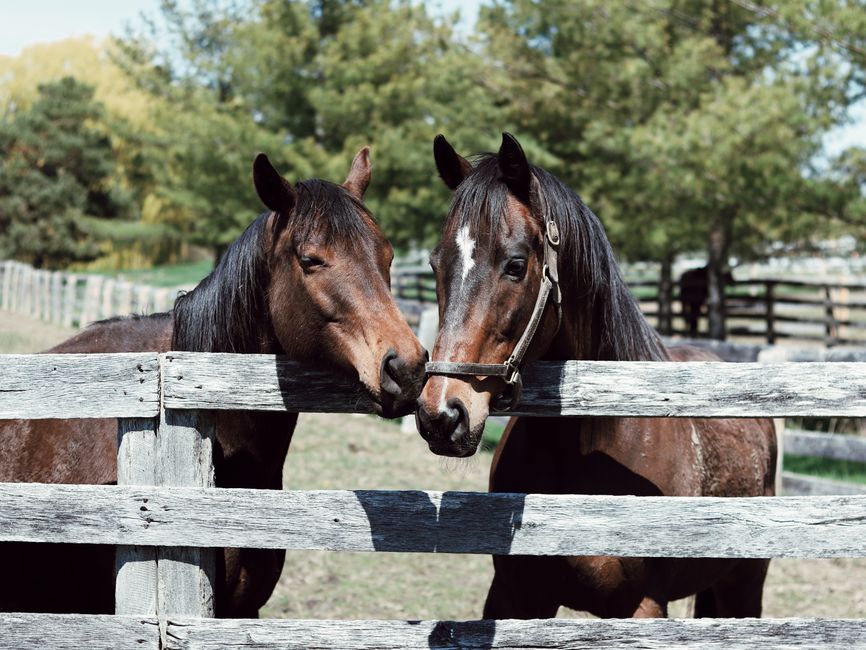
Horses stabled on dry bedding, those living in arid climates, or animals whose hooves are frequently washed may experience excessive drying. Conversely, horses standing in wet paddocks or stalls with poor drainage can develop overly soft hooves. Both extremes compromise hoof integrity and can lead to serious problems including cracks, chips, thrush, and even structural damage.
The hoof wall contains approximately 25% water by weight in optimal conditions. This moisture content provides the perfect balance between strength and flexibility, allowing the hoof to expand and contract naturally with each step. When moisture levels drop below this optimal range, the hoof becomes rigid and brittle. When levels rise too high, the hoof loses structural integrity and becomes vulnerable to infection.
What Makes an Effective Hoof Moisturiser
Not all hoof moisturisers are created equal. The best products contain natural ingredients that penetrate the hoof wall rather than simply coating the surface. Effective hoof conditioners should accomplish several key objectives: they must restore moisture to dry hooves, seal in natural moisture, provide essential nutrients, and protect against environmental damage.
Natural oils and butters form the foundation of quality hoof moisturisers. Ingredients like neatsfoot oil, lanolin, coconut oil, and shea butter have been used for generations because they effectively penetrate the hoof structure. These natural substances contain fatty acids that nourish the keratin in the hoof wall, promoting strength and flexibility.
A superior hoof conditioner like Outlaw Nourish Natural Hoof Conditioner combines multiple natural ingredients to address dry, cracked hooves comprehensively. Products formulated with farrier expertise understand the unique structure of horse hooves and deliver ingredients that work with, rather than against, the hoof's natural moisture regulation system.
Avoid products containing excessive amounts of tar, turpentine, or other harsh chemicals that can actually dry out the hoof over time. While these ingredients may provide a temporary cosmetic shine, they often create a barrier that prevents the hoof from breathing and can interfere with natural moisture regulation.
Application Techniques for Maximum Benefit
Even the best moisturiser won't deliver optimal results without proper application. The timing, frequency, and method of application all impact effectiveness. Understanding these factors ensures you get the most from your chosen hoof conditioner.

Clean hooves thoroughly before applying any moisturiser. Use a hoof pick to remove debris from the sole, frog, and around the frog sulci. A clean surface allows the product to penetrate properly rather than sealing dirt and bacteria against the hoof. For horses with thrush or other infections, address these issues with appropriate treatments like Outlaw Thrush Stuff before applying moisturiser.
Apply hoof conditioner to both the hoof wall and sole. Many people focus solely on the wall for cosmetic appearance, but the sole also needs conditioning, especially in dry conditions. Use a brush to work the product into the hoof wall from the coronary band down to the ground surface, following the direction of hoof growth. This technique helps the moisturiser penetrate the tubules more effectively.
Frequency depends on your horse's environment and individual hoof condition. Horses in dry climates or those with naturally brittle hooves may benefit from daily application, while others may only need conditioning two to three times per week. Observe your horse's hooves and adjust accordingly. Over-moisturising can be as problematic as under-moisturising.
Seasonal Considerations and Environmental Factors
Hoof moisture needs change throughout the year, requiring adjustments to your moisturising routine. Winter typically brings dry conditions that can leave hooves brittle and prone to cracking. Cold temperatures reduce the hoof's natural moisture circulation, making supplemental conditioning more important during these months.
Summer presents different challenges. Hot, dry weather can quickly strip moisture from hooves, but summer also brings increased activity levels for many horses. More exercise means more hoof wear, which can benefit hoof health by stimulating natural moisture circulation. However, horses working on hard ground may still need regular conditioning to prevent excessive drying.
Spring and fall often deliver wet conditions that soften hooves excessively. During these seasons, focus less on adding moisture and more on protecting the hoof from prolonged wetness. If your horse develops white line issues from environmental exposure, specialized treatments like Outlaw White Line Stuff can address these specific concerns while you manage overall moisture balance.
Indoor versus outdoor housing also significantly impacts hoof moisture. Stabled horses on dry bedding typically need more frequent moisturising than horses living on pasture with access to varied terrain and natural moisture sources. However, horses on constantly wet pastures may actually need hoof hardeners rather than moisturisers to maintain proper hoof integrity.
Recognizing and Addressing Common Hoof Problems
Understanding how moisturising fits into overall hoof care means recognizing when moisture imbalance contributes to hoof problems. Dry, cracked hooves are the most obvious sign that additional conditioning is needed. Cracks that develop vertically from the coronary band or horizontally across the hoof wall indicate moisture deficiency and structural weakness.
Flaky, peeling hoof walls suggest chronic dryness that has progressed beyond surface-level issues. These hooves require intensive conditioning over several weeks or months to restore proper moisture content and structural integrity. Consistency is key—sporadic application won't resolve deep-seated moisture problems.
Conversely, excessively soft hooves that lose shoes frequently, chip easily, or show signs of sole bruising may indicate too much moisture. In these cases, reduce moisturising frequency and focus on keeping the horse's environment drier. For horses with serious hoof problems like laminitis, specialized support products such as the Outlaw Laminitis Founder Hoof Comfort Pad may be necessary alongside proper moisture management.
Bacterial and fungal infections often develop when moisture balance is disrupted. Thrush thrives in excessively wet conditions, while some types of white line disease are associated with both too much and too little moisture. Maintaining proper moisture balance is one of the most effective preventive measures against these common hoof ailments.
Integrating Moisturising with Complete Hoof Care
Hoof moisturising should never be isolated from other aspects of hoof care. Regular farrier visits, proper nutrition, and appropriate exercise all contribute to hoof health in ways that moisturising alone cannot achieve. The best hoof care programs integrate all these elements into a cohesive approach.
Nutrition plays a fundamental role in hoof quality. Biotin, methionine, zinc, and omega-3 fatty acids all contribute to strong hoof growth from the inside out. No amount of external moisturising can compensate for nutritional deficiencies that compromise hoof quality at the cellular level. Work with an equine nutritionist to ensure your horse receives adequate nutrients for optimal hoof growth.
Regular farrier care maintains proper hoof balance and removes damaged areas before they become serious problems. Your farrier can also provide valuable insights into your horse's specific hoof care needs and recommend adjustments to your moisturising routine based on what they observe during trimming or shoeing.
Exercise promotes healthy circulation to the hooves, which supports natural moisture regulation and overall hoof health. The hoof mechanism—the expansion and contraction that occurs with each step—pumps blood through the hoof structures and helps maintain proper moisture distribution. Regular movement is essential for optimal hoof function.
Conclusion
Selecting the best moisturiser for horse hooves requires understanding the unique structure and needs of equine hooves. Natural, penetrating formulas that restore and maintain optimal moisture balance while providing essential nutrients offer the most effective long-term results. Products developed with professional farrier expertise, such as those from Outlaw Horse Products, leverage decades of hands-on experience to deliver solutions that truly work.
Remember that effective hoof moisturising is part of a comprehensive care program that includes proper nutrition, regular farrier visits, appropriate exercise, and environmental management. By paying attention to your horse's individual needs and adjusting your approach based on seasonal changes and environmental factors, you can maintain strong, healthy hooves that support your horse's performance and comfort for years to come.
Consistency matters more than any single product or technique. Develop a routine that works for your situation and stick with it, making adjustments as needed based on your observations and your farrier's recommendations. With proper care and attention to moisture balance, you can help your horse develop and maintain the strong, resilient hooves nature intended.