

Last Updated: November 15, 2026
Quick Summary
Treat horse hooves on a schedule that starts with a trim every six to eight weeks, with horses in heavy work often doing better on four to six. Barefoot horses usually need a trim every four to six weeks, and winter dryness calls for treating hooves two to three times weekly.
- Barefoot horses usually need a trim every four to six weeks because unshod hooves wear unevenly.
- In winter, treat hooves two to three times weekly, or daily if already dry and cracked.
- For thrush, treat daily until the frog is clean and firm, then two or three times weekly.
- Check hooves weekly between farrier visits and move the appointment up if toes run forward.
- Only a farrier should trim or shoe a hoof; daily picking, cleaning and conditioning are your job.
Table of Contents
- How Often Do Horse Hooves Need to Be Trimmed?
- How Often Should a Barefoot Horse Be Trimmed?
- How Often Should You Treat Horse Hooves in the Winter?
- How Often Should You Treat Horse Hoof Thrush?
- How Do You Set a Trim Schedule for One Horse?
- What Signs Mean a Hoof Needs Attention Sooner?
- How Do You Monitor Hoof Care Between Visits?
- The Difference Between Daily Care and Professional Trimming
- Frequently Asked Questions
How Often Do Horse Hooves Need to Be Trimmed?
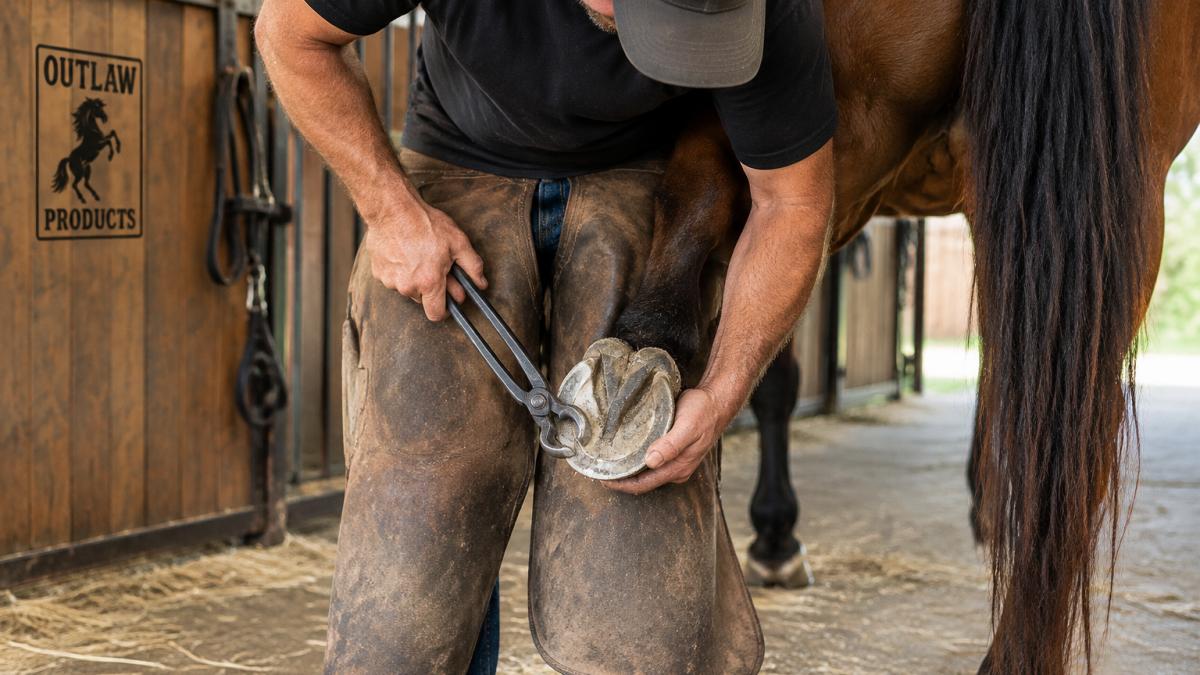
There's no single answer to how often you should treat horse hooves. The right schedule depends on the horse, the season, and how the hooves wear. Start with a trim every six to eight weeks; horses in heavy work often do better on four to six.
How Often Should a Barefoot Horse Be Trimmed?
Barefoot horses usually need a trim every four to six weeks, since unshod hooves wear unevenly and grow out of balance faster. For a fuller picture, read our guides to barefoot hooves and complete care and hoof care for barefoot horses.
How Often Should You Treat Horse Hooves in the Winter?
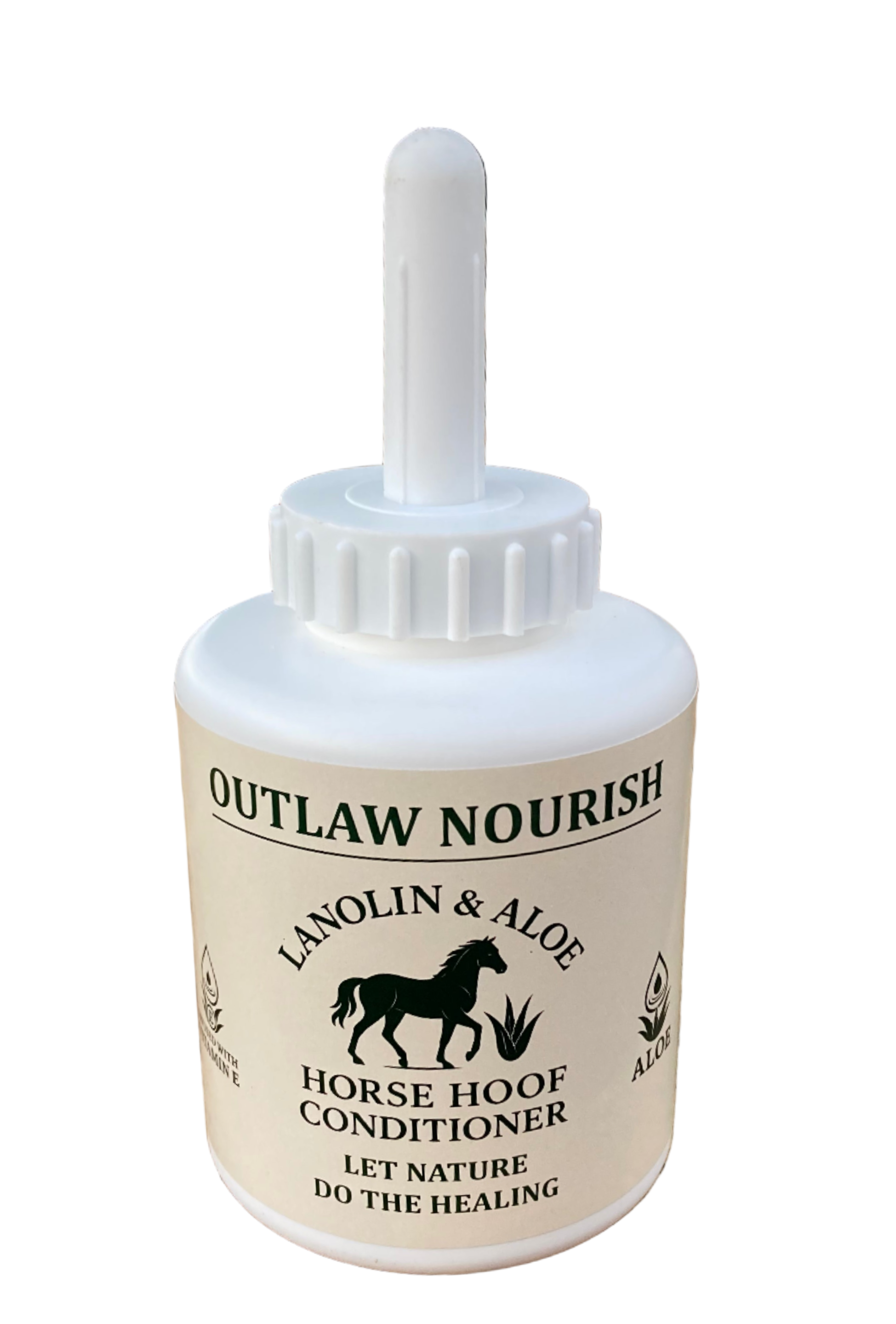
Winter asks more of you, not less: wet-dry cycles soften the wall, then dry air cracks it. Treat hooves two to three times weekly in winter, daily if already dry and cracked. See our guide on preventing hoof cracks in winter; for dry, brittle hooves we reach for Outlaw Nourish natural hoof oil, a thin, penetrating blend of lanolin, aloe, flaxseed and vitamin E that restores elasticity and supports the hoof wall.
How Often Should You Treat Horse Hoof Thrush?
Thrush treatment follows the infection, not the calendar: treat daily until the frog is clean and firm, then two or three times weekly for prevention. Clean the hoof, apply into the cracks and central sulcus, and stay consistent, our thrush treatment for horses guide covers the daily routine.
How Do You Set a Trim Schedule for One Horse?
Build the schedule around the individual horse, not the calendar. Track hoof growth, wear, work level, and season, then adjust the interval at each visit.
| If your horse... | Start with | Adjust if... |
|---|---|---|
| Is barefoot and in light work | 6 weeks | Hooves chip or flare sooner |
| Wears shoes | 5-6 weeks | Shoes loosen or clinches rise |
| Stands in wet or muddy ground | 4-6 weeks | Thrush or softening shows |
Start with
Check the hooves weekly between visits. If the toes run forward or the heels contract, move the next appointment up.
What Signs Mean a Hoof Needs Attention Sooner?
Heat and lameness together need a professional to look at the hoof.
How Do You Monitor Hoof Care Between Visits?
Pick out all four hooves before and after riding and check the sole and frog.
The Difference Between Daily Care and Professional Trimming
Daily cleaning and professional trimming are not the same job. You can pick, clean, and condition a hoof every day. Only a farrier should trim or shoe it.
Hoof care rewards consistency more than any single product. Pick the hooves daily, set a trim interval that fits your horse, and treat dryness and thrush before they spread. Outlaw Horse Products develops its hoof care products as a farrier-developed line, field tested for years. Outlaw Thrush Stuff is a non-stinging, potassium-based thrush treatment. Outlaw Hoof Canker Care is a topical treatment for canker, severe thrush, and abscesses. Outlaw Nourish is a hoof conditioner formulated to hydrate and strengthen hooves. Explore the Outlaw Horse Products range to find the right care for your horse.
Frequently Asked Questions
How often do barefoot horses need the farrier?
Most barefoot horses do well on a four to six week trim cycle, though this varies with hoof growth rate, diet, and terrain. A horse living on abrasive ground may wear hooves faster and need less frequent trimming, while a horse on soft pasture may need more frequent attention. Watch for flares, chips, or uneven wear between visits. At Outlaw Horse Products, we recommend setting a baseline interval with your farrier and adjusting it based on how the hoof looks at each appointment.
What part of a horse's hoof should be cleaned daily?
The sole, frog, and the clefts on either side of the frog should be picked out daily. Use a hoof pick from heel to toe, working around the frog rather than digging into it. Pay attention to the central sulcus, the deep groove in the middle of the frog, because that is where thrush often starts. Daily cleaning removes packed dirt and manure and lets you spot early signs of thrush, cracks, or tenderness before they become bigger problems.
How often should you treat horse hooves in winter?
Winter calls for daily hoof picking and a close check of the frog and sole, since wet conditions and mud create the environment thrush needs. Apply a hoof conditioner two to three times weekly for maintenance, or daily if the hooves are cracked or showing signs of thrush. Outlaw Nourish is formulated to restore moisture and support hoof wall strength during wet-dry cycles, and Outlaw Thrush Stuff can be used daily until thrush clears, then two to three times weekly for prevention.
