

Horse Hoof Fungus Treatment Guide
Horse hoof fungal infections represent one of the most common challenges facing equine owners and farriers. These persistent conditions can compromise hoof integrity, cause lameness, and if left untreated, lead to serious structural damage. Understanding the nature of hoof fungus, recognizing symptoms early, and implementing effective treatment protocols are essential skills for maintaining your horse's soundness and overall health.
Fungal infections in horse hooves typically develop in warm, moist environments where bacteria and fungi thrive. The hoof's structure—with its natural crevices, frog sulci, and white line—creates ideal conditions for these organisms to colonize. While many horse owners are familiar with thrush, the spectrum of fungal conditions extends beyond this common ailment to include more severe infections like canker and white line disease.
Understanding Common Hoof Fungal Infections
The most prevalent fungal and bacterial infections affecting horse hooves include thrush, canker, and white line disease. Each presents distinct characteristics and requires specific treatment approaches.

Thrush is the most frequently encountered hoof infection, characterized by a foul-smelling black discharge primarily affecting the frog's central and collateral sulci. The causative organisms—typically anaerobic bacteria combined with fungal elements—thrive in the oxygen-deprived environment of deep crevices. While often considered a minor nuisance, untreated thrush can penetrate sensitive tissues and cause significant discomfort and lameness.
Canker represents a more aggressive form of hoof infection, classified as proliferative pododermatitis. This condition causes abnormal tissue growth resembling cauliflower-like masses, typically beginning in the frog and potentially spreading to the sole and hoof wall. Canker requires intensive treatment protocols and often proves challenging to resolve completely.
White line disease involves the separation and degradation of the hoof wall at the white line, the junction between the outer wall and the sole. Fungal and bacterial organisms infiltrate this separation, creating hollow spaces within the hoof capsule that weaken structural integrity.
Identifying Symptoms and Risk Factors
Early detection significantly improves treatment outcomes for hoof fungal infections. Horse owners should conduct regular hoof inspections, looking for telltale signs including black or gray discharge with a characteristic pungent odor, soft or deteriorating frog tissue, separated white line, hollow-sounding hoof wall when tapped, heat in the hoof, and sensitivity to hoof tester pressure.

Several environmental and management factors increase susceptibility to fungal infections. Horses housed in wet, muddy conditions face elevated risk, as constant moisture softens hoof tissue and creates ideal conditions for pathogen growth. Inadequate stable hygiene, including infrequent stall cleaning and poor drainage, compounds this problem. Similarly, horses standing in urine-soaked bedding experience chemical breakdown of hoof tissue that facilitates infection.
Individual hoof conformation also influences infection risk. Deep, narrow frogs with contracted heels create oxygen-poor crevices where anaerobic organisms flourish. Horses with compromised immune systems, whether due to metabolic disorders, stress, or poor nutrition, demonstrate reduced resistance to opportunistic infections. Just as regular physical activity supports overall health in humans, appropriate exercise and movement promote hoof health by stimulating circulation and natural hoof expansion and contraction.
Effective Treatment Protocols
Successful fungal infection treatment requires a multi-faceted approach addressing both the infection itself and underlying contributing factors. The foundation of any treatment protocol begins with thorough cleaning and debridement performed by an experienced farrier or veterinarian. For detailed instructions on managing infected hooves, refer to our guide on How to Clean an Infected Horse Foot.

Professional trimming removes diseased tissue, opens affected areas to oxygen exposure, and creates drainage pathways for infected material. This mechanical removal proves essential—topical treatments cannot penetrate through layers of necrotic tissue to reach active infection sites. Your farrier should carefully pare away undermined sole, separated white line, and deteriorated frog tissue while preserving healthy structures.
Following debridement, topical antifungal and antibacterial treatments target remaining pathogens. Natural, professional-grade products offer effective alternatives to harsh chemicals. For standard thrush cases, specialized thrush treatments penetrate deep into sulci to eliminate causative organisms while promoting healthy tissue regeneration.
More severe infections like canker require intensive intervention. Natural treatment for canker in horses often involves combining potent antimicrobial action with tissue-normalizing properties. These treatments often require daily application over extended periods, sometimes weeks or months, depending on infection severity.
White line disease demands particular attention to structural stability. After removing separated wall and infected material, targeted white line treatments help restore integrity to this critical junction while preventing reinfection during the lengthy regrowth period.
Environmental Management and Prevention
Treatment success depends heavily on environmental modifications that eliminate conditions favoring fungal growth. Improving stable hygiene represents the single most impactful change horse owners can make. Daily stall cleaning with complete bedding removal from wet areas prevents the ammonia-rich, moist environment where pathogens thrive.
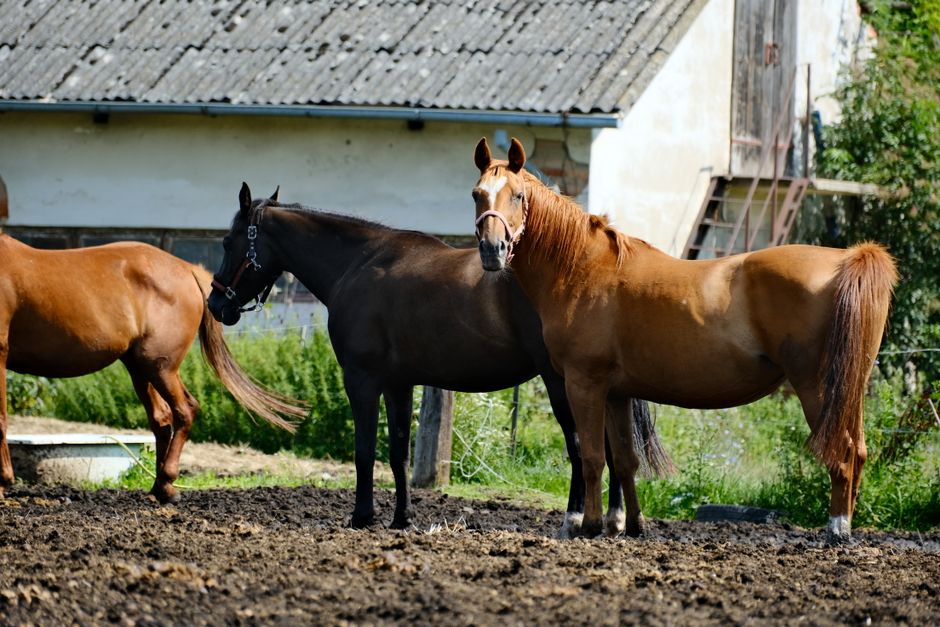
Ensuring proper drainage in paddocks, runs, and high-traffic areas reduces standing water and mud accumulation. Strategic placement of gravel, geotextile materials, or other footing solutions in problem areas maintains drier conditions. When facilities permit, increasing turnout time allows hooves to dry naturally and benefit from varied terrain that stimulates circulation and maintains natural hoof mechanism.
Bedding selection influences hoof health significantly. Materials that wick moisture away from the hoof surface while remaining comfortable prove ideal. Many professionals recommend wood pellets, shavings with good absorption properties, or specialized rubber matting systems that promote drainage while cushioning joints—similar to how proper sleep surfaces support human health.
Nutritional Support and Hoof Conditioning
Optimal hoof health originates from within through proper nutrition. A balanced diet providing adequate protein, essential amino acids (particularly methionine and lysine), biotin, zinc, copper, and omega-3 fatty acids supports strong hoof growth and robust immune function that resists infection. To delve deeper into nutritional support, read our article on Understanding Equine Supplements and Hoof Health.
External conditioning complements internal nutrition by maintaining appropriate hoof moisture balance and tissue flexibility. Quality hoof conditioners for horses nourish the hoof capsule, preventing the excessive drying that creates cracks and separations where fungi can colonize, while avoiding over-softening that increases infection susceptibility.
The key to conditioning lies in understanding hoof moisture dynamics. Rather than simply adding moisture, effective products regulate moisture content, allowing the hoof to breathe while protecting against environmental extremes. Natural formulations drawing on traditional farrier knowledge often outperform synthetic alternatives by working with the hoof's biological processes rather than against them.
Long-Term Maintenance and Professional Collaboration
Resolving fungal infections represents only the beginning of comprehensive hoof care. Preventing recurrence requires ongoing vigilance and consistent maintenance practices. Regular farrier visits every four to six weeks ensure proper hoof balance, remove accumulating debris from crevices, and allow early detection of developing problems before they become serious.
Establishing a collaborative relationship between horse owner, farrier, and veterinarian optimizes outcomes. Complex cases often benefit from combined expertise—the farrier's mechanical skills in hoof preparation and balancing, the veterinarian's diagnostic capabilities and systemic treatment options, and the owner's daily observation and treatment application create a comprehensive care team.
Daily hoof picking remains the cornerstone of preventive care. Thorough cleaning removes debris that traps moisture and harbors pathogens. During picking, inspect for early signs of infection, abnormal odors, changes in tissue quality, and hoof sensitivity. This daily interaction also strengthens the horse-owner bond and provides opportunities to monitor overall health and soundness.
Conclusion
Horse hoof fungal infections, while common and often challenging, respond well to informed, consistent treatment protocols. Success requires understanding the specific infection type, implementing thorough debridement and appropriate topical treatments, modifying environmental conditions, supporting hoof health through nutrition and conditioning, and maintaining vigilant daily care practices. By combining professional-grade natural products with expert farrier services and proactive management, horse owners can effectively resolve existing infections and prevent future occurrences, ensuring their horses maintain sound, healthy hooves for years to come.