

Hoof Conditioner for Horses: Complete Guide
Horse hoof health is foundational to your animal's overall wellbeing, performance, and longevity. A quality hoof conditioner for horses plays a crucial role in maintaining strong, flexible, and resilient hooves that can withstand the demands of training, competition, and daily activity. Understanding how to properly nourish and protect your horse's hooves is essential knowledge for every horse owner, farrier, and equine professional.
Understanding Hoof Structure and Moisture Balance
A horse's hoof is a complex structure composed of specialized tissues that require proper moisture balance to function optimally. The hoof wall, sole, and frog work together to provide support, shock absorption, and protection for the internal structures of the foot. When hooves become too dry, they become brittle and prone to cracking. Conversely, excessive moisture can soften the hoof and create an environment where bacterial and fungal infections thrive.
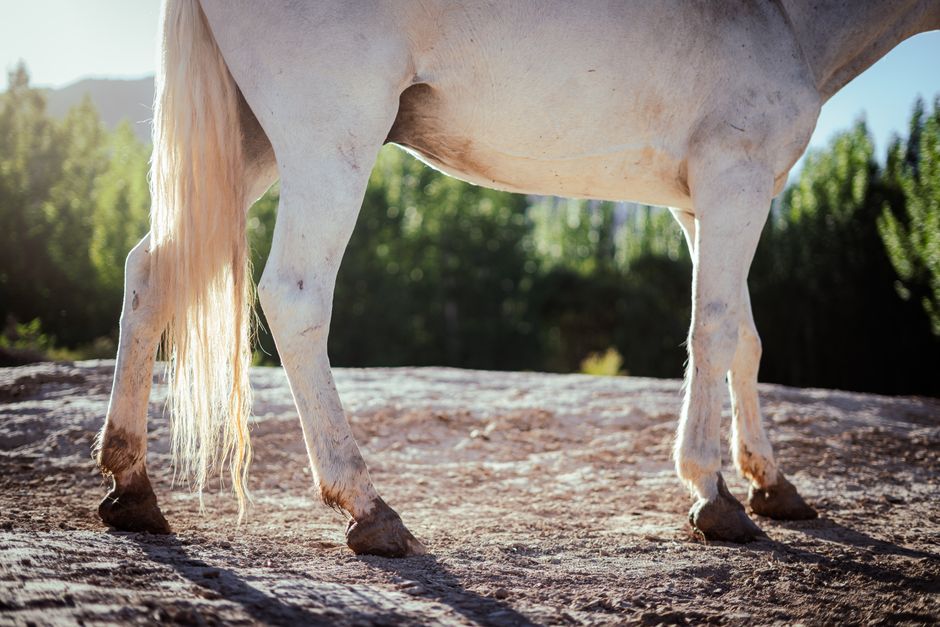
The hoof wall contains approximately 25% moisture under ideal conditions. Environmental factors such as climate, footing conditions, and stable management significantly impact this moisture content. During dry summer months or in arid climates, hooves lose moisture rapidly through evaporation. Winter conditions can be equally challenging, as wet environments followed by freezing temperatures create stress on hoof tissues.
Natural oils within the hoof wall help regulate moisture movement. These lipids create a barrier that controls both water absorption and evaporation. However, washing, environmental exposure, and normal wear can deplete these natural protective oils, making supplemental conditioning necessary.
Key Benefits of Regular Hoof Conditioning
Implementing a consistent hoof conditioning routine provides numerous benefits that extend beyond simple cosmetic improvements. Regular application of quality hoof conditioners helps prevent common hoof problems before they develop into serious issues requiring veterinary intervention.
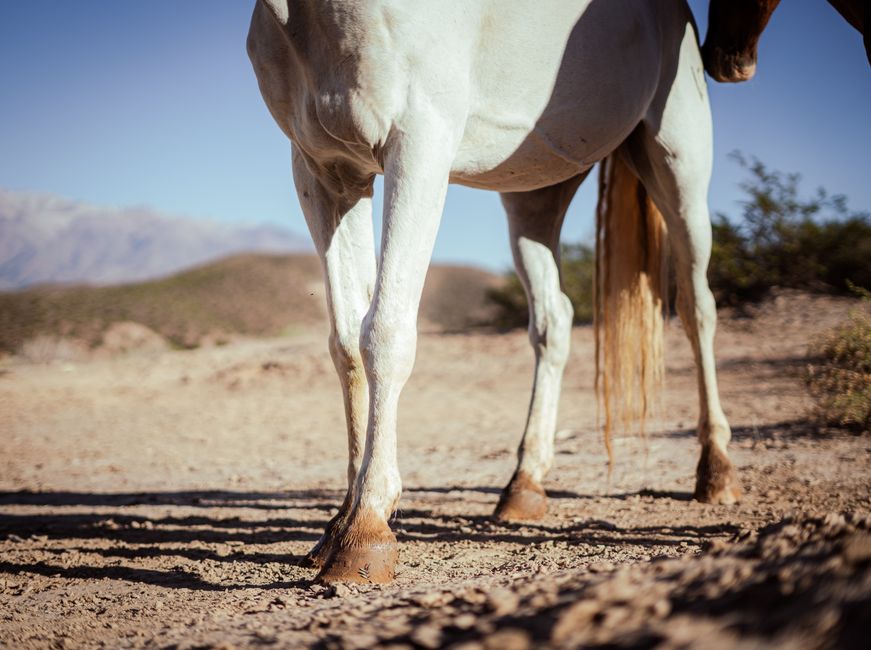
A properly formulated hoof conditioner strengthens the hoof wall by maintaining optimal moisture levels and supporting the natural lipid barrier. This strengthening effect reduces the likelihood of cracks, chips, and splits that can compromise hoof integrity and create entry points for pathogens. Strong hoof walls also hold shoes better, reducing the frequency of lost shoes and emergency farrier calls.
Flexibility is another critical benefit. Hooves must flex slightly during the weight-bearing phase of each stride to properly absorb concussive forces. Brittle, dry hooves lack this essential flexibility and are more susceptible to stress fractures and structural damage. Quality hoof conditioning products restore and maintain this necessary flexibility while preserving strength.
Protection from environmental extremes represents another significant advantage. Whether dealing with muddy paddocks, dry sandy arenas, or frozen winter ground, a good hoof conditioner creates a protective barrier that buffers the hoof from dramatic moisture fluctuations. This protection is especially important for horses that experience varying conditions throughout their day or across seasons.
Natural Versus Synthetic Ingredients
The debate between natural and synthetic hoof care products continues among equine professionals, but evidence increasingly supports natural formulations that work with the hoof's biology rather than simply coating its surface. Natural ingredients tend to penetrate more effectively and provide nutrients that support hoof health from within.

Natural oils such as coconut oil, avocado oil, and lanolin closely resemble the lipids naturally present in healthy hooves. These ingredients absorb readily into hoof tissues, delivering moisture and nutrients where they're needed most. Many natural conditioners also contain vitamins and fatty acids that support cellular health and hoof growth.
Synthetic products often create an impermeable barrier on the hoof surface. While this may temporarily improve appearance, it can actually trap moisture problems beneath the coating and interfere with the hoof's natural moisture regulation. Additionally, some synthetic ingredients contain petroleum-based compounds that may not be ideal for long-term hoof health.
Drawing from over 40 years of master farrier expertise, natural formulations recognize that hoof health is a dynamic process requiring products that support rather than obstruct normal hoof function. The most effective conditioners balance penetrating oils with protective ingredients that shield without sealing.
Essential Components of Effective Formulations
The best hoof conditioners combine multiple functional ingredients that address different aspects of hoof health. Emollients provide moisture and flexibility, while natural oils deliver essential fatty acids. Protective agents shield against environmental moisture extremes, and nutrients support healthy tissue growth and repair.
Application Techniques for Maximum Effectiveness
Even the highest-quality hoof conditioner will underperform if applied incorrectly. Proper application technique maximizes product effectiveness and ensures your horse receives the full benefit of conditioning treatments.

Begin with clean, dry hooves. Remove all dirt, debris, and manure using a hoof pick, paying special attention to the sulci of the frog and the white line area. If hooves are excessively dirty or muddy, rinse and allow them to dry for at least 20 minutes before applying conditioner. Applying products to wet hooves can trap excess moisture and potentially create problems rather than preventing them.
Apply conditioner to the entire hoof wall, from the coronary band down to the ground surface. The coronary band area deserves particular attention, as this is where new hoof growth originates. Conditioning this region supports healthy growth from the start. Also apply product to the sole and frog, as these structures benefit from conditioning just as the hoof wall does.
Frequency of application depends on environmental conditions and individual hoof needs. Most horses benefit from conditioning three to four times weekly during normal conditions. Increase frequency during extreme weather, whether hot and dry or excessively wet. Horses with chronic hoof issues may require daily conditioning as part of a comprehensive treatment plan.
Timing matters as well. Evening application allows the product to absorb overnight when the horse is less active. This extended contact time maximizes penetration and effectiveness. For horses dealing with specific conditions like thrush or canker, targeted treatments should be applied before general conditioning to ensure therapeutic ingredients reach affected tissues.
Complementary Hoof Care Practices
Hoof conditioning is most effective when integrated into a comprehensive hoof care program. No single product can overcome poor management practices or nutritional deficiencies. A holistic approach addresses all factors that influence hoof health.
Regular farrier visits form the foundation of hoof care. Most horses require professional attention every six to eight weeks to maintain proper balance and address developing issues before they become serious. Your farrier can also provide valuable feedback on how conditioning treatments are working and suggest adjustments based on seasonal changes or specific hoof characteristics.
Nutrition significantly impacts hoof quality and growth rate. Hooves require adequate protein, biotin, zinc, copper, and essential fatty acids to grow strong and healthy. While topical conditioners support existing hoof tissue, proper nutrition ensures new growth emerges with optimal structural integrity. Consider working with an equine nutritionist if your horse experiences persistent hoof quality issues despite appropriate topical care.
Environmental management cannot be overlooked. Horses standing in wet, muddy conditions for extended periods will struggle with hoof health regardless of conditioning efforts. Provide dry standing areas, practice good stall hygiene, and consider the impact of turnout areas on hoof moisture levels. Similarly, ensure access to shade during hot weather to minimize excessive hoof drying.
Just as proper rest supports human health, adequate recovery time and appropriate exercise levels contribute to overall equine wellness, including hoof health. Balanced activity promotes healthy circulation to the hooves, supporting tissue health and growth. Excessive work on hard or abrasive surfaces, however, can damage hooves faster than conditioning can repair them.
Recognizing When Additional Treatment Is Needed
While regular conditioning maintains healthy hooves, certain conditions require specialized treatment beyond routine maintenance. Learning to recognize signs that indicate more intensive intervention is necessary helps prevent minor issues from becoming serious problems.
Persistent foul odor from the hoof often indicates bacterial or fungal infection requiring antimicrobial treatment. Black discharge, especially from the central sulcus, suggests thrush that needs targeted therapy. White, cheese-like material around the frog or proliferating tissue growth may indicate more serious conditions requiring immediate professional attention.
Cracks that extend beyond superficial lines in the hoof wall warrant examination by a farrier or veterinarian. Deep cracks can compromise structural integrity and create pathways for infection. Heat in the hoof, increased digital pulse, or lameness always require professional evaluation, as these signs may indicate laminitis, abscess, or other serious conditions.
Changes in hoof growth patterns, such as rings in the hoof wall or altered growth rates, can signal systemic health issues or nutritional deficiencies. While conditioning supports the hoof tissue present, addressing underlying causes requires a more comprehensive approach including veterinary consultation.
Conclusion: Building Your Hoof Care Strategy
Quality hoof conditioning represents an investment in your horse's long-term health and performance. By maintaining proper moisture balance, supporting hoof flexibility, and protecting against environmental extremes, regular conditioning prevents many common hoof problems before they develop. Natural formulations that work with hoof biology rather than simply coating surfaces deliver the most sustainable results.
Success requires consistency and attention to proper application technique. Combined with regular farrier care, appropriate nutrition, and good environmental management, a quality hoof conditioner helps ensure your horse maintains strong, healthy hooves throughout their working life. Whether you're a competitive rider, weekend trail enthusiast, or professional managing multiple horses, prioritizing hoof health through proper conditioning pays dividends in soundness, performance, and reduced veterinary expenses.
Remember that every horse's needs are unique. Monitor your horse's response to conditioning treatments and adjust your routine based on seasonal changes, work levels, and individual hoof characteristics. When issues arise that extend beyond routine maintenance, seek professional guidance promptly to prevent minor problems from escalating into serious conditions requiring extensive rehabilitation.
Explore related products and collections: Outlaw Hoof Canker Care for horses, Equine Canker, Proliferative pododermatitis in horses, White Line, Severe Thrush, Outlaw Laminitis Founder Hoof Comfort Pad for Horses, Outlaw Nourish Natural Hoof Conditioner For Horse Hoof Oil For Horses Dry Cracked Hoofs.