

Hoof Wall Separation Treatment: a Complete Guide
When a horse's hoof wall begins to separate, it is more than a cosmetic concern. The hoof wall is the load-bearing outer shell of the foot, and any break in its structure compromises the entire biomechanical system of the horse. Hoof wall separation — whether it appears as a cracked wall, a widened white line, or a full detachment at the coronet — demands prompt, informed attention. For horse owners, farriers, and equine professionals, understanding the causes and treatment pathways is essential to keeping horses sound and comfortable.
What Is Hoof Wall Separation?
Hoof wall separation describes any condition in which the outer hoof wall loses its bond with the underlying structures — the laminae, the sole, or the white line. The white line is the crucial junction where the insensitive hoof wall meets the sensitive laminae, and it is often the first place separation becomes visible. In a healthy hoof, this junction is tight, narrow, and free of debris. When it widens, stretches, or admits dirt and bacteria, the hoof is already under stress.
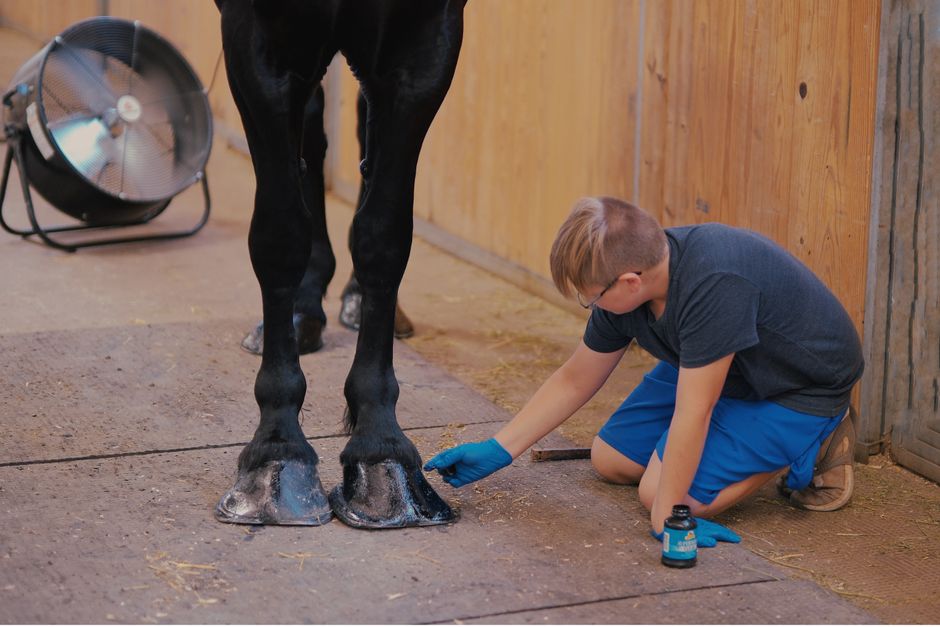
Separation can take several forms:
- White line disease — a microbial infection that eats into the white line, hollowing out the hoof wall from within.
- Wall cracks — vertical or horizontal fissures that may be superficial or extend into sensitive tissue.
- Coronary band separation — a serious detachment near the hairline, sometimes associated with injury, abscess, or systemic illness.
- Seedy toe — a cavity at the toe created by separation and subsequent microbial invasion.
Each form has different causes and requires a tailored treatment approach, but they share a common thread: compromised hoof integrity that must be addressed at the source. Learning about equine hoof diseases helps owners recognize these distinct conditions and respond appropriately.
Recognizing the Signs of Separation
Early detection dramatically improves outcomes. Horse owners should inspect hooves regularly — ideally during routine picking and at every farrier visit. Warning signs include:
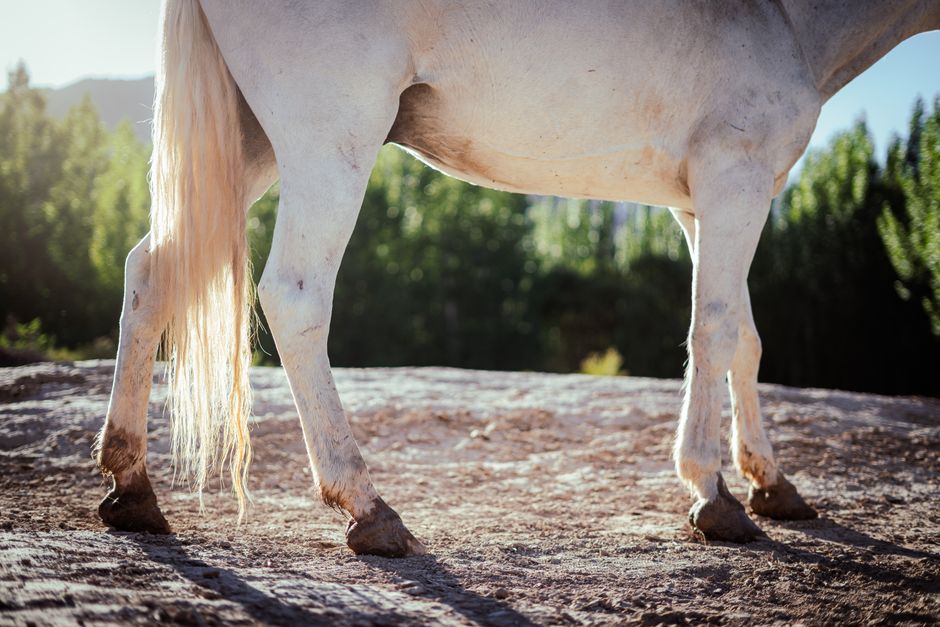
- A widened, darkened, or crumbly white line
- Black or grey debris packed into the white line or sole
- Horizontal rings or ridges on the hoof wall
- Vertical cracks that catch on a hoof pick
- Hollow sounds when tapping the hoof wall
- Lameness, heat, or sensitivity around the coronary band
- Flaring or chipping at the toe or quarters
Any of these findings warrants a closer look, and persistent or painful signs call for veterinary involvement. A veterinarian or experienced farrier can assess the depth of separation and determine whether sensitive structures are exposed.
Common Causes of Hoof Wall Separation
Separation rarely has a single cause. More often, it results from a combination of environmental, nutritional, and mechanical factors that weaken the hoof over time.

Environmental and Hygienic Factors
Horses standing in wet, muddy, or manure-soaked footing face constant exposure to moisture and bacteria. Prolonged wetness softens the hoof wall, making it more vulnerable to microbial invasion. Conversely, extremely dry conditions can cause brittleness and cracking. The ideal is consistent, moderate moisture — which is why stall and paddock management matters as much as any topical treatment.
Nutritional Deficiencies
Hoof horn is built from protein, minerals, and trace elements. Diets lacking in biotin, zinc, copper, methionine, or quality protein can produce weak, slow-growing hooves. Sudden dietary changes, lush pasture, and imbalances in the forage-to-concentrate ratio can also disrupt hoof quality.
Mechanical and Conformational Stress
Long toes, underrun heels, and unbalanced trimming place uneven stress on the hoof wall. Horses with thin soles, flat feet, or conformational faults are predisposed to separation. Regular, balanced farrier care — typically every four to six weeks — is a cornerstone of prevention, as covered in this guide to farrier care and maintenance.
Systemic and Metabolic Conditions
Metabolic disorders such as insulin resistance and PPID (pituitary pars intermedia dysfunction) can impair hoof growth and quality. Laminitis is a particularly serious concern, as it disrupts the laminae that anchor the hoof wall. Horses with a history of laminitis require careful, ongoing management.
Treatment Approaches for Hoof Wall Separation
Effective treatment combines professional assessment, mechanical correction, topical care, and nutritional support. No single product or practice solves separation on its own.
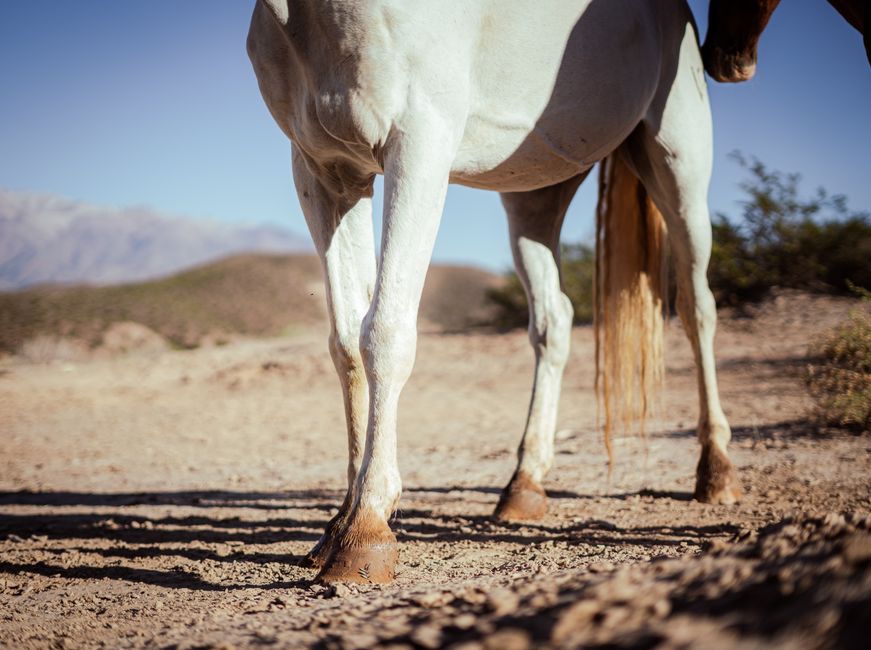
1. Professional Evaluation and Trimming
A veterinarian or farrier should assess the extent of separation, debride loose or diseased horn, and restore balance to the foot. Removing trapped material and establishing a clean margin are critical first steps. In severe cases, radiographic imaging may be needed to evaluate the coffin bone and the depth of involvement.
2. Topical Antimicrobial Care
When bacteria or fungi have colonized the separated tissue, targeted topical treatment is essential. Products formulated for white line disease and hoof wall infections help cleanse the affected area and support a healthier environment for horn growth. A dedicated white line defense treatment can be applied to the cleaned white line to help address microbial invasion at the source. For hooves showing concurrent thrush in the frog or central sulcus, a focused thrush treatment helps resolve the bacterial component that often accompanies wall separation.
For more advanced cases involving proliferative tissue, a canker care formula may support management of affected areas under professional guidance. Always follow your veterinarian's or farrier's directions when applying any topical treatment.
3. Moisture and Environmental Management
Topical care works best when the hoof environment is controlled. Keep stalls dry and clean, avoid prolonged standing in mud, and manage turnout to balance moisture exposure. Some owners use hoof packs or pads during treatment to protect the hoof and maintain appropriate moisture levels.
4. Nutritional Support for Horn Growth
Because hoof horn grows slowly — typically taking nine to twelve months to fully replace the wall — nutritional support is a long game. Consult an equine nutritionist or veterinarian about balanced mineral supplementation, adequate protein, and biotin. Consistent forage analysis and appropriate ration balancing make a measurable difference over time. Understanding the timelines involved, as outlined in what to expect from horse hoof care in two weeks, helps set realistic expectations during recovery.
5. Conditioning the Hoof Wall
Once the acute infection or separation is controlled, hoof conditioners can help restore flexibility and protect against dryness and cracking. A natural hoof conditioner for dry, cracked hooves supports the wall's resilience between farrier visits. Owners managing multiple horses often find value in wholesale hoof care products to maintain a consistent treatment protocol.
Supporting Recovery: A Practical Care Routine
Recovery from hoof wall separation requires consistency. A practical routine might include:
- Daily hoof picking and inspection for debris, odor, or worsening separation
- Scheduled farrier visits every four to six weeks, with trimming adjusted to support healthy wall growth
- Topical treatment as directed, applied to clean, dry hooves
- Dry, clean footing and thoughtful turnout management
- Balanced nutrition with veterinary or nutritional guidance
- Record keeping — photographing progress helps track improvement over months
General equine conditioning and soundness rely on consistent, appropriate exercise as the hoof heals. For guidance on safe, progressive activity levels, resources such as the CDC physical activity guidance offer a useful framework for thinking about gradual, structured activity — principles that translate well to equine rehabilitation planning, though a veterinarian should always guide return-to-work decisions for a horse recovering from hoof disease.
Prevention and Long-Term Hoof Health
Prevention is always more effective than treatment. Horse owners who prioritize the following significantly reduce the risk of wall separation:
- Balanced trimming and shoeing by a qualified farrier
- Clean, dry living conditions with adequate drainage
- Nutritional oversight — forage testing, mineral balancing, and body condition monitoring
- Early intervention at the first sign of a widened white line or crack
- Regular professional review of hooves, especially in horses with metabolic conditions
Equine professionals and farriers often emphasize that hoof health is a mirror of overall management. When diet, environment, and trimming are aligned, hooves grow stronger and more resilient. Adopting a more natural hoof care approach supports long-term soundness and reduces reliance on reactive treatments. For those building a long-term care program, exploring a structured hoof care product line — such as a wholesale hoof care collection — can simplify the process of maintaining consistent treatment across multiple horses.
Hoof wall separation is a signal, not just a symptom. Resolving it means addressing the hoof, the environment, and the horse as a whole.
Conclusion
Hoof wall separation is a common but serious equine hoof condition that rewards early detection and a multi-layered treatment approach. From professional trimming and topical antimicrobial care to nutritional support and environmental management, each element plays a role in restoring hoof integrity. Horse owners and equine professionals who combine informed observation with consistent care give horses the best opportunity for sound, healthy hooves — and a comfortable, active life. When in doubt, always involve your veterinarian and farrier, and treat hoof problems as the whole-horse issue they are. If your horse’s hooves need real support — not another generic farm‑store fix — see the Outlaw formulas built for fast, visible results.