

Equine Hoof Diseases: a Complete Guide
Hoof problems are among the most common reasons horse owners call a veterinarian or farrier. The equine hoof is a remarkable structure — it carries roughly 60 percent of the horse's weight on the front limbs and absorbs enormous concussive forces with every stride. But that same workload makes it vulnerable. Mud, moisture, bacteria, poor trimming, metabolic disease, and simple neglect can all compromise hoof health, sometimes within a matter of weeks.
This guide covers the major equine hoof diseases horse owners and professionals encounter, how to recognize them early, and where sound management and targeted hoof care fit into a broader treatment plan. Throughout, remember that hoof disease is a medical matter: a veterinarian should diagnose and direct treatment, with your farrier supporting mechanical balance.
Why Hoof Disease Happens: The Core Risk Factors
Most hoof diseases share a handful of underlying causes. Understanding them helps you prevent problems rather than simply react to them. One of the most common entry points is a compromised white line, and learning to spot early white line disease in horses can save months of treatment.
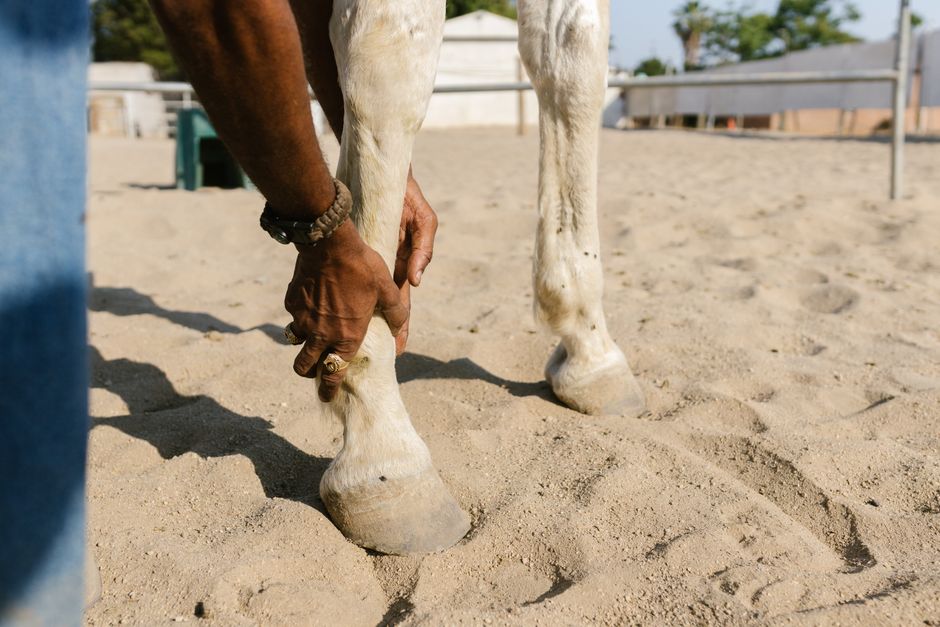
- Moisture and hygiene. Standing in mud, urine-soaked bedding, or wet paddocks softens the hoof horn and creates ideal conditions for bacterial and fungal invasion.
- Conformation and trim. Long toes, underrun heels, and imbalanced trimming alter load distribution and can predispose the hoof to bruising, white line separation, and lameness.
- Metabolic disease. Insulin dysregulation and pituitary pars intermedia dysfunction (PPID, or Cushing's disease) are well-recognized contributors to laminitis.
- Nutrition. Deficiencies in zinc, copper, biotin, or amino acids can leave new hoof horn weak and brittle.
- Environment and exercise. Horses kept stalled with limited movement develop slower hoof growth and poorer circulation than horses on varied terrain.
The physical benefit of consistent movement on firm, dry footing should not be underestimated — the same principle behind general physical activity guidelines for humans applies in spirit to horses: regular, appropriate exercise supports tissue health and circulation.
Thrush: The Most Common Hoof Infection
Thrush is a bacterial and fungal infection of the frog, most often affecting the central sulcus and the collateral grooves beside the frog. It thrives in wet, dirty environments, particularly in horses with deep frogs or long, contracted heels.

Signs of Thrush
- A pungent, necrotic odor — often the first thing an owner notices
- Black, tarry, or grayish discharge in the sulci
- Pain on pressure around the frog, sometimes leading to lameness
- In severe central sulcus cases, deep, painful fissures that bleed easily
Management
Treatment centers on cleaning the hoof thoroughly, removing the horse from wet footing, and applying an antimicrobial preparation. Severe central sulcus thrush can be stubborn and painful, and needs consistent, targeted treatment rather than a single application — our deep sulcus thrush horse treatment guide walks through a full protocol. A dedicated product such as Outlaw Thrush Stuff™ for central sulcus and white line thrush is designed for these deeper cases. For multi-horse operations, a wholesale hoof care supply arrangement keeps treatment on hand when outbreaks occur.
Prevention matters just as much: pick out feet daily, keep bedding dry, and arrange paddock drainage where possible.
Canker (Equine Proliferative Pododermatitis)
Canker is far less common than thrush but considerably more serious. It is a proliferative, chronic infection of the hoof, typically beginning in the frog and sole and producing a moist, cottage-cheese-like, foul-smelling material. Unlike thrush, canker tissue is hypertrophic — it grows and spreads rather than eroding — and it can invade the sensitive laminae if left untreated.

Recognizing Canker
- Proliferative, granular or "cauliflower" tissue in the frog or sole
- Foul odor and a moist, exudative surface
- Lameness that worsens as the lesion expands
- Poor response to routine thrush treatments
Management
Canker requires veterinary diagnosis and aggressive, sustained treatment, often including surgical debridement of affected tissue followed by topical therapy and careful bandaging. Because canker is notoriously recurrent, ongoing topical care and close farrier involvement are essential. Products formulated specifically for proliferative hoof disease, such as Outlaw Hoof Canker Care, are intended to complement — not replace — a veterinarian's treatment plan.
Canker is a diagnosis that benefits from early recognition. Owners who notice unusual, growing tissue in the frog should contact their veterinarian promptly rather than attempting weeks of guesswork.
White Line Disease (Seedy Toe)
The white line is the junction between the hoof wall and the sole. When it separates, opportunistic fungi and bacteria colonize the space, hollowing out the hoof wall from within. This is white line disease, sometimes called seedy toe. It is often invisible from the outside — the hoof wall may look normal while the interior is crumbling.
Signs and Causes
- Hollow sound when tapping the hoof wall
- Crumbly, powdery, or black material at the white line
- Flaring wall, stretched white line, or widening cracks
- Predisposing factors: chronic laminitis, long toes, wet-dry cycling, and poor horn quality
Management
Farriers typically resect (open up) the affected wall to expose the lesion to air and allow treatment. Topical antimicrobial support and improved hoof hygiene help resolve remaining infection. A product like Outlaw White Line Defense is formulated for this specific problem, and gentle nutrition-based support can help rebuild stronger horn — a good nutrition reference point for general tissue-health principles is the American College of Sports Medicine.
Laminitis and Founder
Laminitis is inflammation of the laminae — the sensitive tissues that suspend the coffin bone within the hoof capsule. If the laminae fail, the coffin bone can rotate or sink downward, a condition called founder. This is one of the most painful and potentially career-ending hoof diseases in horses.
Common Triggers
- Endocrine disease: insulin dysregulation and PPID
- Sudden access to rich pasture or grain (carbohydrate overload)
- Sepsis, such as after severe infection or retained placenta
- Support-limb overload after injury to the opposite leg
- Obesity and lack of conditioning
Recognizing It Early
Signs include the classic "founder stance" (weight shifted back onto the hindquarters), reluctance to move on hard ground, heat in the hooves, a bounding digital pulse, and pain over the toe. Laminitis is an emergency; call your veterinarian immediately. Mechanical support — including deep bedding and, in some cases, frog-support pads — is often part of the immediate management plan. A product such as the Outlaw Laminitis Founder Hoof Comfort Pad is designed to support this kind of comfort-focused care.
Hoof Cracks, Abscesses, and Dry, Brittle Feet
Beyond the big four, several other hoof problems are common:
- Quarter and toe cracks. Often caused by hoof imbalance, insufficient moisture, or concussive stress. Your farrier's goal is to relieve the crack's movement and rebalance the hoof — this cracked horse hoof treatment guide covers the full approach.
- Subsolar abscesses. A pocket of infection beneath the sole, usually producing sudden severe lameness. Most resolve with poulticing and drainage, though deep or recurring abscesses warrant veterinary attention.
- Brittle, dry hooves. Common in dry climates and in horses with poor horn quality. Regular conditioning with a quality hoof oil or conditioner can restore flexibility and reduce cracking — a natural hoof conditioner such as Outlaw Nourish is applied to the hoof wall and sole as part of routine care. Not sure whether oil is the right move? Read does hoof oil help with cracked hooves before you buy.
Just as humans benefit from structured exercise programming to maintain tissue strength, horses benefit from consistent, gradual conditioning on varied terrain.
Pull It All Together: A Practical Prevention Routine
Hoof disease almost never appears out of nowhere. Daily habits and a team approach — owner, farrier, veterinarian — do most of the prevention work:
- Pick out feet daily. Check the frog and sulci for odor, discharge, or fissures.
- Keep bedding and turnout dry. Address muddy gateways and standing water.
- Schedule regular trimming and shoeing. A balanced hoof distributes load evenly.
- Feed for hoof quality. Provide balanced minerals and adequate forage; ask your vet about biotin and trace minerals if horn quality is poor.
- Exercise consistently. Turnout and work support circulation and strong hoof growth.
- Treat early. A small thrush patch or early white line lesion is far easier to manage than an advanced case.
Targeted hoof care products should support, not substitute for, good horsemanship and professional advice. Where a product is used, follow label directions and your veterinarian's guidance.
Conclusion
Equine hoof diseases — thrush, canker, white line disease, laminitis, cracks, and abscesses — remain among the most common and costly conditions in horse care. The good news is that most are either preventable or highly manageable when caught early. A dry environment, disciplined daily foot checks, balanced nutrition, regular professional trimming, and prompt veterinary attention form the foundation. Where targeted topical care is needed, choose products suited to the specific condition and always integrate them into a larger plan built with your veterinarian and farrier. The horses that stay soundest are rarely the lucky ones — they are the ones whose owners paid attention.