

Cracked Horse Hoof Treatment: a Complete Guide
A cracked hoof is one of the most common problems horse owners face, and it is also one of the most misunderstood. A split, chipped, or fissured hoof wall is rarely just a cosmetic issue. In most cases it is a signal that something in the hoof's environment, nutrition, or biomechanics has gone wrong. Treating the crack without addressing the cause is like painting over rot, and it usually leads to the same crack returning, deeper and harder to fix. This guide explains why hooves crack, how to evaluate the damage, and what a sound cracked hoof treatment plan looks like in 2026.
Why Do Horse Hooves Crack?
The hoof wall is a remarkable structure: keratinized tissue that must flex under load, bear the horse's weight, and withstand constant exposure to moisture, mud, manure, and abrasion. When the wall becomes too dry or, paradoxically, chronically waterlogged, it loses the balance of strength and elasticity it needs. Cracks begin as small fissures in the outer wall and can progress inward toward sensitive structures if left untreated.

Several factors commonly contribute to cracking:
- Environmental moisture swings. Alternating wet and dry conditions cause the hoof wall to expand and contract repeatedly, weakening the tissue over time.
- Dry, brittle hooves. In arid climates or during dry seasons, hooves lose moisture and become prone to vertical sand cracks and chipping.
- Long trimming intervals. Unbalanced or overlong feet create abnormal stress on the hoof wall.
- Poor shoeing or no hoof protection. Nail placement, shoe fit, and shoeing cycles all affect the integrity of the wall.
- Nutritional gaps. Diets lacking key minerals and trace elements can produce slow-growing, weak hoof horn.
- White line disease and thrush. Infections that weaken the junction between hoof wall and sole frequently open the door for cracks.
- Conformational and loading issues. A horse that lands unevenly loads one side of the hoof more than the other, and the wall responds by failing where stress is highest.
Types of Hoof Cracks and What They Mean
Not all cracks are created equal, and identifying the type matters for treatment selection.
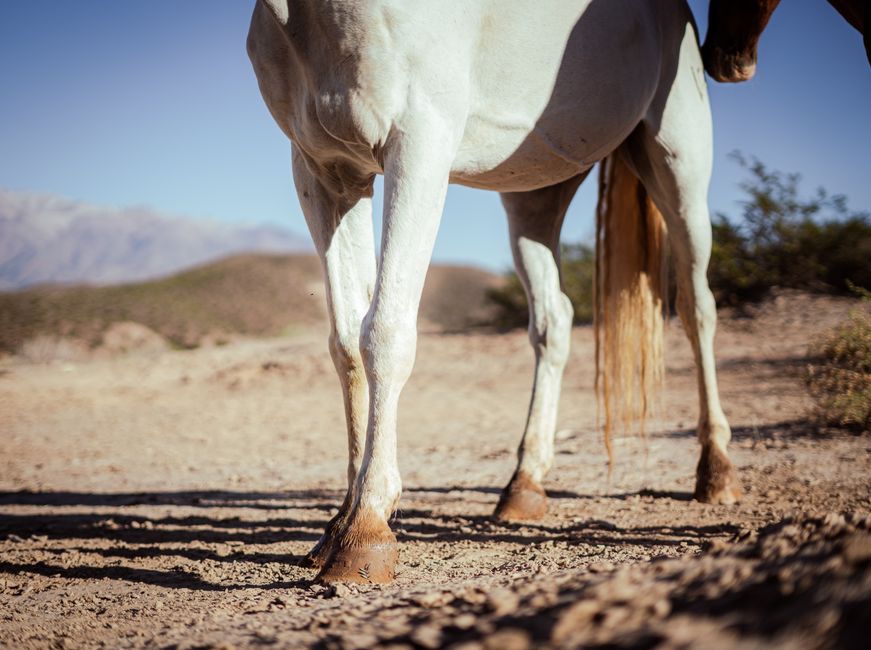
Grass Cracks
These are short vertical fissures that begin at the ground-bearing surface and travel upward a short distance. Grass cracks are usually superficial and often resolve with improved trimming and moisture management, though they should not be ignored.
Sand Cracks
Sand cracks run down the hoof wall from the coronary band and are more serious. They may be complete (from coronet to ground) or incomplete, and they signal sustained stress or weakness in the wall. A sand crack that penetrates to sensitive tissue causes lameness and requires veterinary involvement.
Horizontal Cracks and Blowouts
A horizontal crack, often called a blowout, typically traces back to a past injury, abscess, or episode of laminitis that interrupted normal horn production at the coronary band. These provide a visual record of historical insults to the hoof.
Toe and Quarter Cracks
Cracks at the toe or quarter most often reflect loading imbalance, long toes, or poor shoe placement. They frequently recur until the underlying mechanical cause is corrected.
Assessing the Severity: When to Call a Vet or Farrier
Before starting any cracked horse hoof treatment, evaluate how deep the damage goes. A shallow, clean crack in a stable hoof can often be managed with a combination of proper trimming, topical conditioning, and dietary support. Red flags that warrant professional attention include:

- Lameness at the walk or trot
- A crack that opens, bleeds, or exposes darker tissue beneath the wall
- Heat, swelling, or a bounding digital pulse
- Discharge or foul odor, which can indicate infection
- Cracks that migrate upward toward the coronary band
A veterinary exam can rule out abscess, laminitis, or white line disease, and a farrier should assess hoof balance. They bring a complementary perspective: your veterinarian looks at the whole horse's health, while your farrier reads the mechanics of the foot. Working together, they can correct the mechanical issues that let a crack form in the first place and prevent them from returning.
For horses recovering from laminitic episodes, supportive care such as a laminitis founder hoof comfort pad can relieve pressure while the hoof wall stabilizes. This is especially relevant because laminitic horses often develop horizontal cracks at the coronary band as new horn grows out damaged.
Building a Cracked Hoof Treatment Plan
Effective treatment of cracked hooves rests on three pillars: mechanical correction, environmental management, and topical plus nutritional support.

1. Correct the Mechanics
Your farrier should balance the foot, address flaring, and shorten the breakover where needed. In some cases, the farrier may stabilize a deep crack with a shoe, composite patch, or staple technique that reduces movement across the crack. Do not attempt to fill or stabilize a load-bearing crack without professional guidance, as improper repair can concentrate stress and make matters worse. Since timing plays a role in how well a crack is managed, it helps to understand why hoof care timing can affect the outcome.
2. Manage Moisture and Environment
Consistency is the goal. Avoid turnout in deep mud followed by weeks on dry, abrasive ground. Pick out feet daily, keep bedding clean and dry, and note whether hooves seem brittle or soft; that tells you whether you need moisture retention or drying. A hoof that stays wet for days is just as vulnerable as one that's bone dry.
3. Support the Hoof Wall with Topical Care
A quality hoof conditioner helps restore flexibility and protect against drying. Look for products designed to penetrate the wall and sole rather than simply coat them with a shiny finish. The Outlaw Nourish natural hoof conditioner for dry, cracked hooves is formulated with this in mind, combining natural ingredients to rebuild strength and restore flexibility. Regular application, especially in dry or transitional seasons, helps maintain the wall's integrity between trims.
4. Treat Infections Before They Spread
Thrush and white line disease are common contributors to cracked hooves, and they must be treated directly. White line disease in particular undermines the junction between the wall and sole, causing the wall to separate. The Outlaw White Line Defense advanced hoof treatment targets that specific problem. For horses with deep central sulcus or persistent thrush, a dedicated product like Outlaw Thrush Stuff addresses the anaerobic pockets where bacteria and fungi thrive. Severe cases may require more aggressive treatment protocols overseen by your vet.
5. Feed for Hoof Growth
Hoof horn grows slowly, roughly a third to half an inch per month, so nutritional improvements take time to show. Ensure your horse's diet supplies adequate protein, zinc, copper, biotin, and methionine. A balanced forage-first diet with targeted supplementation supports new horn quality. A hoof that is growing out well will push bad wall material down and eventually off the foot.
Preventing Future Cracks
Prevention is cheaper and easier than repair. Keep these habits in place:
- Regular trimming and shoeing. Most horses need attention every six to eight weeks. Stick to the schedule rather than stretching it.
- Daily hoof picking. It takes two minutes and catches problems early.
- Seasonal conditioning. Adjust your hoof care routine as conditions change. Dry summer heat and wet winter mud each call for a different approach.
- Exercise on varied terrain. Controlled movement on good footing promotes circulation and natural wear. Many of the same principles of progressive loading described in the CDC physical activity guidance apply in spirit: gradual, consistent work beats intermittent strain.
- Team communication. Keep your vet and farrier informed about any changes in the horse's diet, workload, or environment.
Professionals who maintain multiple horses often find it practical to keep a supply of treatments on hand. Outlaw Horse Products offers wholesale options for barns, farriers, and equine businesses that treat hoof issues regularly.
Conclusion
A cracked horse hoof is a symptom, not a standalone problem. The most effective cracked hoof treatment combines professional hoof balancing, consistent environmental management, direct treatment of any infection, topical conditioning, and nutritional support. Address all five, and you give the hoof wall the best possible chance to grow out strong and stay sound. Work closely with your vet and farrier, monitor the hoof daily, and act early: the sooner a crack is evaluated, the less likely it is to become a long-term lameness issue.