

Hoof Cleaning Tools List for Healthy Hooves
A horse's hoof is a remarkable structure—tough enough to carry a thousand pounds across rocky ground, yet sensitive enough to signal trouble long before lameness appears. For horse owners, farriers, and equine professionals, keeping hooves clean is not a cosmetic chore. It is one of the most reliable, low-cost habits that prevents thrush, white line disease, canker, and a long list of avoidable soundness problems. The right tools make that job faster, safer, and far more effective. This guide walks through a complete hoof cleaning tools list, explains what each tool does, and shows how to build a kit that fits your barn, your discipline, and your horse's individual needs.
The Core Hoof Cleaning Tools Every Barn Needs
You do not need a truckload of equipment to clean a hoof properly. You need a small number of well-made tools that you actually use. Here is the foundation of any functional kit.

1. The Hoof Pick
The hoof pick is the single most important tool in equine hoof care, and every horse owner should own at least two. A pick removes packed dirt, bedding, manure, and small stones from the sole and sulci—the grooves alongside and around the frog. Choosing the right pick matters more than most people realize:
- Metal pick with a stiff brush: the classic all-in-one design. The pick digs out debris; the brush sweeps the sole and hoof wall clean afterward.
- Comfort-grip handle: reduces hand fatigue during long grooming sessions, especially in winter when hooves are packed with ice and frozen mud.
- Rounded-tip style: safer for horses with thin soles or sensitive frogs, since a sharp point can jab tender tissue.
Pick hooves daily, before and after riding, and always after turnout in wet or muddy conditions. Daily picking is the simplest defense against thrush and white line issues, because it removes the moisture-trapping debris that anaerobic bacteria and fungi need to multiply. For a deeper look at managing these conditions, see our thrush treatment for horses guide.
2. The Hoof Brush
A stiff-bristled brush follows the pick. It clears fine grit from the sole, sweeps the white line, and removes dust from the hoof wall. Many hoof picks include a brush on one end, but a dedicated, larger brush covers more surface area and reaches deeper into the collateral grooves. Keep a separate brush for hooves only—never share it with body grooming tools, which can transfer dirt and organisms from coat to hoof.
3. The Hoof Knife
The hoof knife is primarily a farrier's tool, used to trim and pare the sole, remove loose frog tissue, and open up (but never gouge) an infected sulcus. Owners should be cautious: incorrect use removes protective sole and can cause lameness. If your horse has deep central sulcus thrush, a veterinarian or farrier may use a hoof knife to expose the affected tissue before treatment. For everyday cleaning, a hoof pick and brush are enough.
4. The Hoof Nipper
Nippers are the heavy-duty trimming tool used by farriers to cut hoof wall to length after rasping is marked. They are not a cleaning tool in the daily sense, but they are part of the complete hoof care tool list, and every horse owner should understand their role. Dull or misaligned nippers crush the hoof wall instead of cutting it cleanly, which can leave ragged edges that trap dirt. Ask your farrier how often their nippers are sharpened.
5. The Rasp
A hoof rasp smooths the trimmed wall, levels the sole plane, and creates a clean edge that resists chipping. Rasping is also a diagnostic moment: a horse that flinches during rasping may have hoof sensitivity, abscess pressure, or thin soles. Replacing a worn rasp regularly (they dull faster than most owners expect) keeps the job quick and comfortable for the horse.
6. The Hoof Buffer or Sanding Block
A fine buffer or sanding block finishes the wall after rasping, removing burrs that can snag on bedding or brush. It is a small tool with a real payoff: smooth walls shed mud more easily and look tidy for shows.
Cleaning Tools for Specific Hoof Problems
When a hoof is already compromised, your kit needs to change. Chronic conditions demand better hygiene discipline and more targeted tools.
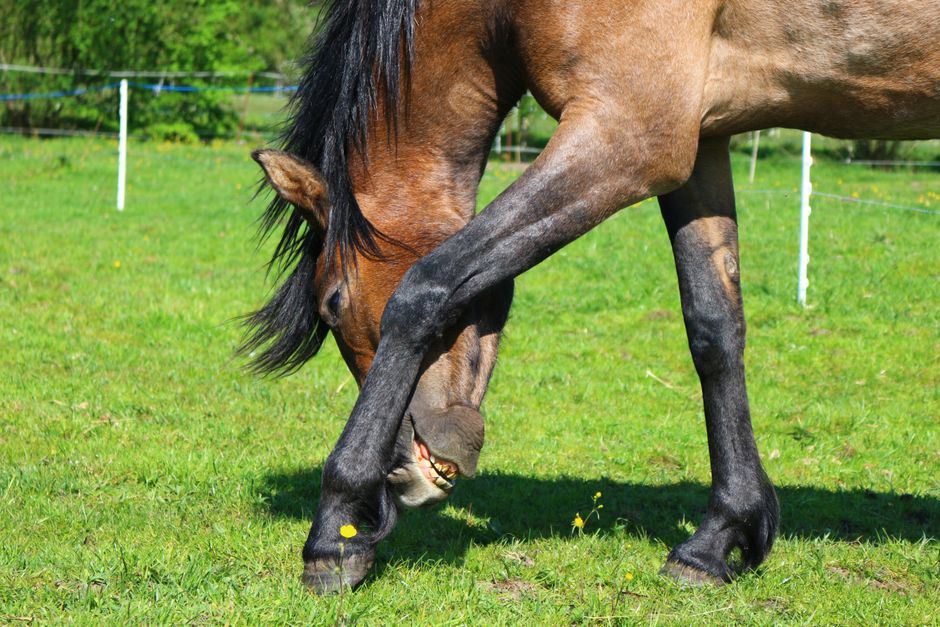
Deep Cleaning Tools for Thrush and Central Sulcus Thrush
Thrush thrives in the central sulcus and collateral grooves, producing a black, foul-smelling discharge. Cleaning a thrushy hoof means reaching tissue a standard pick cannot. Useful additions include:
- Cotton swabs or gauze strips: for wiping down inside the sulci after picking.
- Syringe (without needle): for flushing deep crevices with dilute disinfectant or saline.
- Small stiff brush or toothbrush: to scrub the affected grooves before applying treatment.
After cleaning, a dedicated remedy such as Outlaw Thrush Stuff™ for white line and severe central sulcus thrush can be applied to the clean, dry tissue. Cleaning first and treating second is the sequence that makes any product work—compare our best thrush treatment for horses in 2026 for options.
Tools for Canker and Proliferative Pododermatitis
Canker is a far more serious condition than thrush. It produces a proliferative, cauliflower-like mass of tissue, usually in the frog or sulci, often with a foul odor and a creamy discharge. Canker requires veterinary and farrier involvement, and the cleaning protocol is stricter:
- Disposable gloves: always work on a canker hoof last, and never carry debris from that hoof to another horse.
- Dedicated tools: keep a separate pick and brush for the affected horse. Fungi and bacteria involved in canker can spread via contaminated equipment.
- Sharp debriding instruments: handled by a professional, not an owner, to remove necrotic tissue without damaging healthy structures.
Between professional visits, daily cleaning and diligent application of a targeted product like Outlaw Hoof Canker Care help keep the condition from progressing. Owners dealing with multiple horses may find that buying in bulk, such as wholesale canker care packs, is the practical choice for a barn-wide hygiene routine.
Tools for Laminitis and Founder Comfort
Horses recovering from laminitis or founder need gentle, low-stress cleaning. A soft brush, a rounded hoof pick, and minimal lifting of the painful hoof are appropriate. Soaking boots used in cold therapy or for medicated soaks also belong on this list. While a horse is rehabilitating, soft bedding and cushioned support—like this laminitis and founder comfort pad—reduce pain during the cleaning process and protect the sole from further bruising.
After-Cleaning Care: Moisture and Nourishment Tools
Clean hooves are a starting point, not an endpoint. The next step in a complete routine is managing moisture and supporting hoof quality.

- Hoof dressing applicator or brush: for applying oil, conditioner, or ointment to the hoof wall and coronary band without waste.
- Clean cloth or towel: to dry the hoof before application. Never seal moisture into a hoof with a dressing.
- Hoof conditioner: dry, cracked, brittle hooves benefit from a nourishing conditioner applied to the wall and sole. A natural option, Outlaw Nourish natural hoof conditioner for dry cracked hooves, helps restore flexibility and protect the hoof from environmental damage—learn more in our balm for horse hooves guide.
- Palatable flavor enhancer: some horses reject medicated treatments and supplements. A taste flush such as Outlaw Medi-Done™ can make the treatment process smoother and more consistent.
Consistency beats intensity here. A horse kept on dry footing benefits from conditioning several times a week; a horse living in wet, muddy paddocks may need fewer conditioners and more attention to daily drying and picking. If your horse is unshod, our barefoot horse hoof guide covers the specific care considerations.
Building Your Hoof Cleaning Toolkit
If you are assembling a kit for the first time, prioritize durability and hygiene. Stainless steel tools resist rust and are easier to sanitize. Wooden handles are comfortable but can harbor moisture. Whatever you choose, follow these habits:
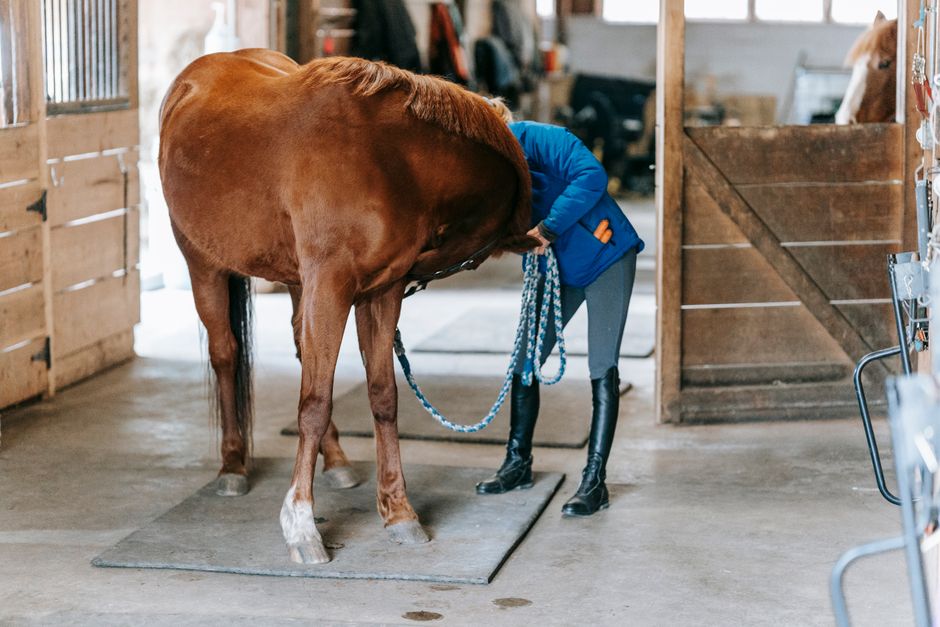
- Clean after every use. Wash picks and brushes with warm water and a mild disinfectant, then dry thoroughly.
- Keep a quarantine set. If one horse has an active infection, that horse gets its own color-coded tools.
- Inspect tools for wear. A dull rasp or loose pick handle is a hazard, not just an annoyance.
- Store tools dry. A breathable tote is better than a sealed plastic bag that traps moisture and promotes rust.
Good grooming habits matter for the animal's health in the same way consistent movement matters for the human body: the routine is the medicine. Organizations such as the CDC and the American College of Sports Medicine emphasize that consistent, moderate effort produces the best long-term outcomes. The same principle applies to hoof care—daily attention prevents the dramatic problems that require intensive treatment. And just as athletes cross-train with varied movements from an exercise library, horse owners should rotate the tools in their kit—picking, brushing, treating, conditioning—rather than relying on one tool or one product to do everything. For significant hoof damage, our equine hoof repair guide walks through restoration approaches.
Conclusion
A complete hoof cleaning tools list starts with a quality hoof pick and stiff brush, expands to include a hoof knife, nippers, and rasp in the hands of a professional, and grows further when you are managing thrush, canker, or laminitis recovery. Add a hoof conditioner for moisture balance and a flavor enhancer when treatments are being refused, and you have a kit that handles nearly any situation on the yard. For the most serious hoof conditions, our canker treatment for horses guide provides detailed protocols.
At Blacksmith Shop, Outlaw Horse Products, hoof care is not a side project—it is forty years of master farrier expertise distilled into natural, high-performance remedies. Our thrush, canker, and nourishment products are designed to rebuild strength, restore flexibility, and protect hooves from damage. Build your cleaning routine, keep your tools clean, and support every hoof with products built by people who have spent decades in the forge and under the horse.