

Balm for Horse Hooves: a Complete Guide
A balm is one of the oldest tools in hoof care, and it remains one of the most misunderstood. Riders, farriers, and barn managers reach for a balm when a hoof looks dry, cracked, brittle, or tender — but the word "balm" covers everything from a soothing protective salve to a thick, waxy dressing that can actually trap moisture where it shouldn't be. For horse owners dealing with thrush, canker, white line disease, or simple seasonal dryness, knowing what a hoof balm is, what it does, and when to use it (or skip it) makes the difference between a stronger hoof and a chronic problem.
What Is a Hoof Balm?
A balm is a semi-solid topical preparation — typically a blend of waxes, oils, butters, and sometimes resins — designed to be spread over a surface to soothe, seal, or condition it. In human skincare, balms protect lips and skin. In farriery, a hoof balm is applied to the hoof wall, sole, frog, and coronet band to condition the tissue and shield it from the environment.

Unlike a thin liquid oil, a balm holds its shape at room temperature and melts slightly on contact with body heat. That texture matters: it lets a balm stay where it's placed, including in the collateral grooves beside the frog and along the white line, rather than running off onto stall bedding. Classic hoof balms often contain ingredients like beeswax, lanolin, cod liver oil, pine tar, and vegetable oils. Modern natural formulations, like those from Blacksmith Shop, Outlaw Horse Products, focus on nourishing the hoof capsule without sealing it so tightly that the hoof cannot breathe.
The key distinction: a balm is a tool for conditioning and protection. It is not a cure for infection. If a hoof has active thrush, canker, or white line separation, the balm's role is supportive — it helps rebuild the structures that disease has damaged, but the infection itself needs treatment. Understanding the underlying hoof structure is essential, and resources like Barefoot Horse Hoof: a Complete Guide can help owners recognize what healthy tissue should look like.
Why Hoof Moisture Balance Matters
Hooves are made largely of keratin, the same protein as human hair and nails. Keratin loves a middle ground. Too dry, and the hoof wall becomes brittle, chips at the nail holes, and cracks under load. Too wet, and the horn softens, the sole becomes tender, and the white line weakens enough for bacteria and fungi to invade.
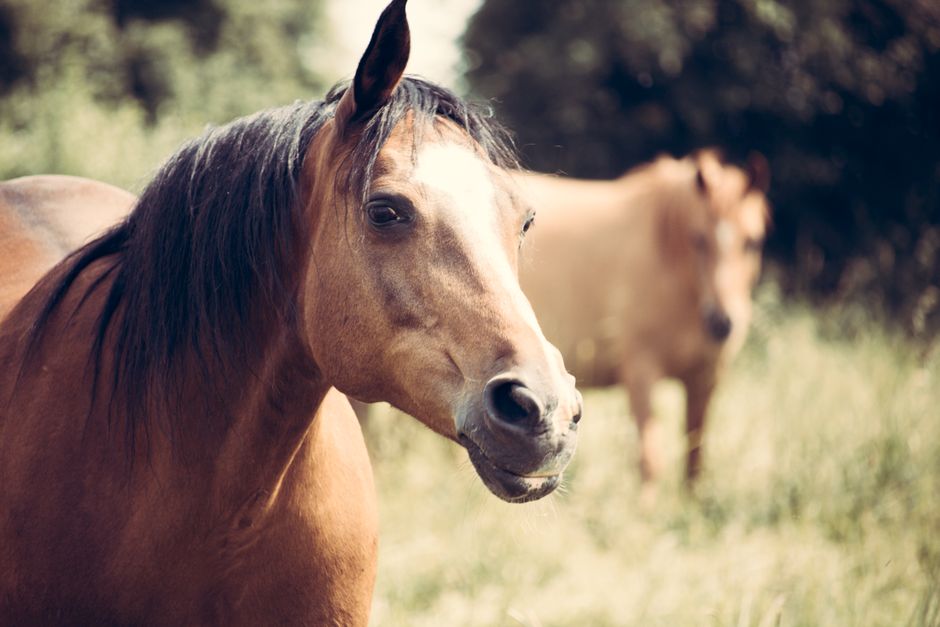
This is the central tension in balm use. Many people assume "more moisture is better," so they apply heavy greasy dressings daily. In a wet climate or a muddy paddock, that can push an already saturated hoof further toward softness and infection. In a dry climate, the opposite is true: a good balm restores flexibility and reduces cracking.
Farriers with decades of experience tend to evaluate the whole picture first — climate, bedding, turnout, diet, trim cycle, and hoof shape — before choosing a product. The hoof is a dynamic structure, not a static block of plastic. It expands on impact, flexes at the heel, and exchanges moisture with its environment. A quality balm supports that flexibility rather than freezing it.
Hydration and circulation also matter from the inside. While no topical product replaces nutrition, minerals, and movement, principles familiar in human health apply to horses too: consistent activity and proper conditioning support tissue quality. Resources such as the CDC physical activity guidelines and the American College of Sports Medicine illustrate how structured movement benefits connective tissue — and horses, whose very survival depends on standing and moving, benefit from turnout and exercise for the same underlying reasons.
Thrush, Canker, and White Line Disease
Most calls for a "hoof balm" actually stem from one of three conditions.
Thrush
Thrush is a bacterial and fungal infection of the frog, producing a dark, foul-smelling discharge and, in severe cases, deep crevices in the central sulcus. It thrives in wet, dirty environments and in hooves with deep, narrow frogs that trap debris. A balm alone won't resolve thrush — it needs an antimicrobial agent. Outlaw Thrush Stuff™ is formulated for white line and severe central sulcus thrush, and a Mix Pack of Thrush, Nourish, and Canker treatments gives owners a complete protocol in one order.
Canker
Canker, technically equine proliferative pododermatitis, is far more serious than thrush. It is a progressive, proliferative infection of the horn-producing tissues, often involving the frog and sole, and it can be extremely difficult to resolve. It typically requires veterinary involvement, aggressive debridement, and consistent topical treatment. A dedicated canker care treatment supports that effort. Where a balm fits in: after the infection is controlled, conditioning the regrowing tissue helps restore a functional sole and frog. Confusing thrush with canker is common, so Canker vs Thrush in Horses: Key Differences is a helpful diagnostic reference.
White Line Disease
White line disease is a fungal and bacterial invasion of the inner hoof wall, creating hollow separation that a farrier can often hear as a hollow tap with a hammer. It requires debridement and topical therapy. Product formulated specifically for this area, such as White Line Stuff, targets the separation zone directly.
In all three cases, the sequence is treatment first, conditioning second. A balm applied over an untreated infection can worsen the problem by sealing in moisture and limiting airflow to the affected tissue.
How to Use a Hoof Balm Correctly
Application technique separates effective use from wasted product.
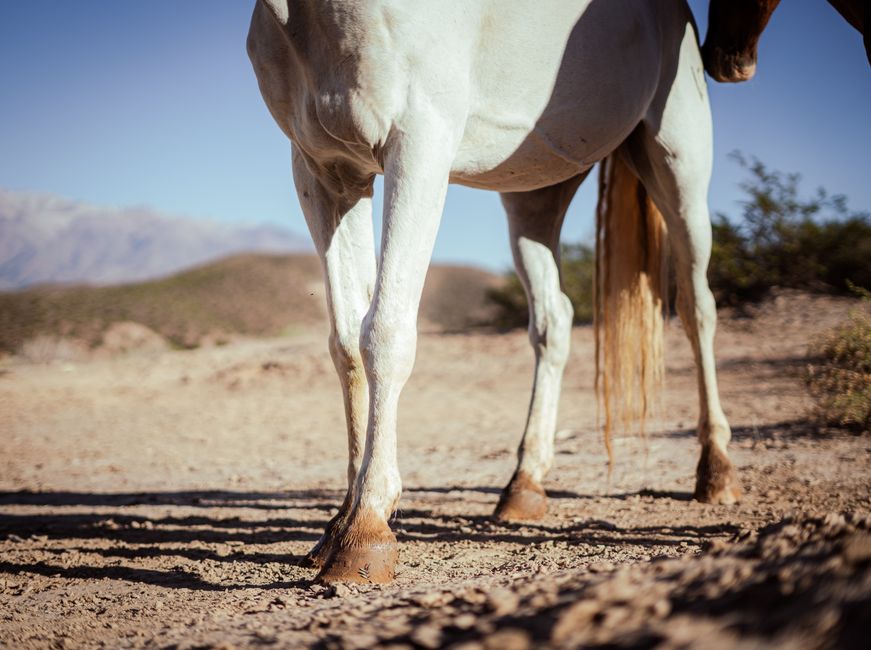
- Start with a clean hoof. Pick out the hoof and brush away mud and bedding. Debris under a balm can harbor bacteria.
- Assess moisture first. Press the hoof wall with a thumbnail. If it dents easily, the hoof is already soft — go light on oils and focus on the sole and frog rather than the wall.
- Apply sparingly to the frog, sole, and white line. These are the areas most vulnerable to infection and dryness.
- Work balm up the hoof wall and coronet band for dry, cracked hooves. The coronet is where new horn is produced; conditioning it supports healthy growth.
- Frequency depends on climate. In arid conditions, two to three times weekly may be appropriate. In humid or wet conditions, reduce frequency and consider skipping the wall entirely.
- Never apply to a bleeding or open wound without veterinary guidance.
Consistency beats intensity. A modest routine maintained over months will outperform heavy application for a week followed by nothing.
Choosing a Natural Hoof Balm in 2026
The market has shifted decisively toward natural formulations, and for good reason. Hoof tissue is living, and what you put on it can be absorbed. Ingredients like harsh solvents, petroleum-heavy sealants, and undiluted strong chemicals can irritate the coronet band and damage the very horn you're trying to protect. This is one reason many farriers have moved away from traditional products like Coppertox, as explored in Coppertox Hoof: Uses, Risks, and Modern Alternatives.
When evaluating a balm or conditioner, look for:
- Breathable conditioning agents rather than fully occlusive seals
- Clear ingredient disclosure with no mystery "proprietary blends"
- Farrier-developed formulas tested in real barn conditions
- Targeted products for specific issues rather than one catch-all goop
Outlaw Nourish™ Natural Hoof Conditioner is built for dry, cracked hooves, restoring flexibility to a hoof wall that has lost its natural suppleness. Used alongside a thrush or canker protocol, it completes the repair phase of hoof care. For professionals managing multiple horses, wholesale hoof care products offer case pricing on the full line.
Palatability and administration matter too. Horses are notoriously suspicious of new flavors and smells, which is why some barns use a taste flush like Outlaw Medi-Done™ to encourage acceptance of supplements and oral treatments — the same principle as disguising medication in a horse's feed.
Equine professionals often cross-train their eye by studying how other disciplines approach tissue conditioning and exercise progression; the ACE Fitness exercise library is a useful reference for understanding how structured movement programs are built and progressed, a mindset that translates well to conditioning horses after lameness.
For horses recovering from laminitis or founder, comfort and support during the healing period is its own category. A laminitis and founder comfort pad addresses the sole sensitivity that makes standing painful, working alongside topical conditioning rather than replacing it. Pairing that pad with the boot recommendations in Best Hoof Boots for Laminitis in 2026 can further protect a tender sole during turnout.
Common Mistakes With Hoof Balms
Application without diagnosis is the single most common hoof care error.
Owners often treat symptoms with a balm for weeks before realizing the real issue is a dietary imbalance, a deep central sulcus infection, or a trim problem. Other frequent missteps:
- Over-application in wet conditions, which softens horn and invites thrush
- Using one product for every problem instead of matching the treatment to the diagnosis
- Skipping farrier visits — no balm corrects a hoof that needs trimming and balancing
- Ignoring the environment: muddy paddocks and urine-soaked stalls undermine any topical program
- Expecting overnight results. Hoof horn grows slowly, roughly a third to a half inch per month, so visible improvement takes weeks to months
The most successful owners combine a trim schedule, clean and dry footing, balanced nutrition with adequate biotin and minerals, daily movement, and targeted topical products. A balm is one part of that system, not a substitute for it. When lameness appears suddenly rather than gradually, the cause may be an abscess rather than dryness — see Hoof Abscesses in Horses: Causes, Care, and Recovery for how to tell the difference.
Conclusion
A hoof balm is a conditioning and protective tool that works best when it's matched to the actual condition of the hoof. Use it to restore flexibility in dry, cracked hooves, to support tissue rebuilding after thrush or canker treatment, and to protect vulnerable areas from environmental stress. Avoid it as a blanket fix for infection, and never let it replace trimming, nutrition, or veterinary care when disease is involved. For a broader foundation on hoof anatomy, trimming, and environment, Barefoot Hooves: a Complete Guide is a thorough companion read.
Blacksmith Shop, Outlaw Horse Products brings more than 40 years of master farrier experience to a line of natural hoof care solutions built for real-world barn conditions — from targeted thrush and canker treatments to nourishing conditioners that rebuild strength and flexibility. Whether you're a horse owner managing a single senior gelding or a farrier stocking a truck, the right balm, applied at the right time, is a small habit with a large payoff.