

Hoof Balm for Horses: Complete Care Guide
Hoof health forms the foundation of your horse's overall well-being. Without strong, flexible hooves, even the healthiest horse cannot perform at their best. Hoof balm represents one of the most essential tools in your equine care arsenal, providing protection, moisture balance, and nourishment that natural conditions often cannot deliver. Understanding how to select and apply the right hoof balm can mean the difference between a sound horse and one sidelined by preventable hoof issues.
Understanding Hoof Balm and Its Purpose
Hoof balm is a specially formulated topical treatment designed to maintain the optimal moisture balance in horse hooves while protecting against environmental damage. Unlike simple oils or greases, quality hoof balms contain ingredients that penetrate the hoof wall, sole, and frog to deliver nutrients where they're needed most. These products create a protective barrier against excessive moisture in wet conditions while preventing drying and cracking in arid environments.
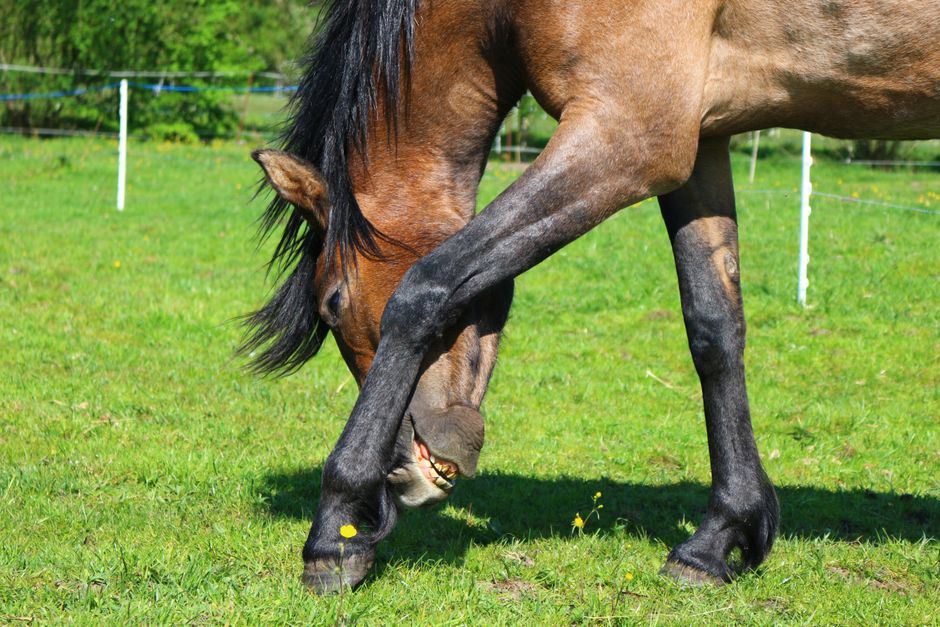
The hoof wall consists of tubules that transport moisture and nutrients throughout the structure. When these tubules become damaged or imbalanced, hooves can develop cracks, chips, and brittleness. A properly formulated hoof balm supports the natural function of these tubules, maintaining the flexibility and strength that allows hooves to expand and contract with each step. This natural movement is essential for proper circulation and shock absorption.
Professional farriers with decades of experience understand that hoof care extends far beyond regular trimming and shoeing. Daily maintenance with appropriate hoof treatments addresses issues before they become serious problems. Products like natural hoof conditioners work to rebuild strength and restore flexibility using ingredients derived from nature rather than harsh chemicals.
Key Ingredients in Effective Hoof Balms
The best hoof balms contain natural ingredients that have stood the test of time. Lanolin, beeswax, and pine tar are traditional ingredients valued for their protective and healing properties. Lanolin acts as an emollient, drawing moisture into the hoof structure while preventing excessive water loss. Beeswax creates a breathable seal that protects against environmental contaminants without trapping harmful moisture that can lead to bacterial growth.

Essential oils such as tea tree, eucalyptus, and peppermint offer antimicrobial properties that discourage thrush and other bacterial infections. These natural compounds penetrate deeply into hoof structures, reaching areas where surface treatments cannot. Vitamin E and other antioxidants support cellular health and repair, promoting the growth of strong new hoof material.
Natural fats and oils like coconut oil, jojoba oil, and fish oil provide the lipids necessary for maintaining hoof wall integrity. These ingredients closely mimic the natural oils produced by healthy hooves, making them readily absorbed and utilized. When combined in proper ratios, these components create synergistic effects that exceed what any single ingredient could achieve alone.
When and How to Apply Hoof Balm
Proper application timing significantly impacts hoof balm effectiveness. Clean hooves absorb treatments more readily than dirty ones, so always pick out hooves thoroughly before application. Remove dirt, debris, and manure from all surfaces including the sole, frog, and clefts. For horses with existing conditions like thrush, targeted treatments such as specialized thrush treatments should be applied before general conditioning balms.
Most horses benefit from hoof balm application three to four times weekly during normal conditions. Increase frequency during extreme weather—more often in very dry conditions or when hooves are exposed to excessive moisture. Apply balm to the entire hoof capsule including the coronary band, which is where new hoof growth originates. Massaging balm into the coronary band stimulates circulation and supports the growth of healthy new horn.
Use a dedicated hoof brush or your fingers to work balm into all surfaces. Pay special attention to the frog and central sulcus, areas prone to bacterial colonization. In wet climates or muddy conditions, focus on moisture-barrier properties. In dry climates, prioritize penetrating oils that prevent brittleness. Adjust your approach seasonally as environmental conditions change throughout the year.
Addressing Common Hoof Problems with Balm
Dry, cracked hooves represent one of the most common issues horse owners face. Cracks can develop vertically from the ground surface or horizontally from the coronary band, creating pathways for bacteria and causing lameness if they extend into sensitive tissues. Regular application of quality hoof balm maintains the moisture content that keeps horn flexible and resistant to cracking. The conditioning properties help existing cracks stabilize while new growth gradually replaces damaged hoof wall.

Brittle hooves that chip and break easily benefit from balms rich in penetrating oils and fats. These ingredients restore the lipid content within the hoof wall, returning flexibility to dried-out horn. Consistency matters more than quantity—regular light applications prove more effective than occasional heavy treatments. Over time, the entire hoof capsule becomes healthier as new growth reflects improved nutrition and care.
Environmental challenges including mud, snow, and hard dry ground can all stress hooves in different ways. Balms create an adaptable barrier that responds to conditions, breathing when necessary while protecting vulnerable structures. For horses dealing with more severe conditions like canker, professional-grade treatments such as specialized canker care products provide the intensive intervention necessary for healing.
Natural Versus Chemical-Based Products
The debate between natural and synthetic hoof care products continues, but evidence increasingly favors natural formulations. Chemical-based products may deliver quick surface-level results but can interfere with the hoof's natural breathing and moisture regulation. Petroleum-based products in particular can seal hooves too completely, trapping moisture and creating anaerobic conditions where harmful bacteria thrive.
Natural ingredients work with the hoof's biology rather than against it. They allow proper moisture vapor transmission while still protecting against environmental extremes. Horses evolved over millions of years with exposure to plant-based compounds but have encountered synthetic chemicals only within the last century. Their physiology is optimized to utilize and benefit from natural substances.
Products developed by experienced farriers combine traditional wisdom with modern understanding of hoof biology. Over forty years of hands-on experience provides insights that laboratory testing alone cannot replicate. This expertise results in formulations that address real-world problems faced by working horses, performance animals, and pleasure mounts alike.
Integrating Hoof Balm into Complete Hoof Care
Hoof balm functions as one component of comprehensive hoof care rather than a standalone solution. Regular farrier visits every six to eight weeks ensure proper trim and balance. Daily hoof picking removes debris that can pack into crevices and cause pressure points or bacterial growth. Proper nutrition including adequate protein, biotin, zinc, and copper supports hoof growth from the inside.
Monitor your horse's hooves for changes in texture, temperature, odor, or appearance. Early detection of problems allows for prompt intervention before minor issues escalate into serious complications. Keep records of hoof care activities including balm application, farrier visits, and any concerns noted. Patterns often emerge that help identify triggers for specific horses.
Environmental management plays a crucial role in hoof health. Provide dry standing areas even during wet seasons. Avoid prolonged exposure to deep mud or standing water. Allow horses adequate movement, as circulation stimulated by exercise promotes healthy hoof growth. These fundamental aspects of horse keeping amplify the benefits of topical hoof treatments.
Conclusion
Selecting and properly using hoof balm represents an investment in your horse's soundness and performance. Quality natural formulations protect, nourish, and support the complex structures that carry your horse through every stride. By understanding the ingredients, application techniques, and integration with broader hoof care practices, you can maintain optimal hoof health throughout your horse's life. Whether addressing existing issues or preventing future problems, consistent attention to hoof conditioning pays dividends in reduced veterinary costs, fewer lost training days, and a happier, sounder horse. Make hoof balm application a regular part of your grooming routine and observe the improvements that develop over weeks and months of dedicated care.