

Coppertox for Horse Hooves: What You Need to Know
When it comes to treating thrush and other hoof ailments in horses, many equine professionals and horse owners have turned to copper-based solutions for decades. Coppertox, a traditional hoof treatment, has been a familiar name in barns across the country. Understanding what these copper-based treatments do, how they work, and what alternatives exist can help you make informed decisions about your horse's hoof health.
Understanding Copper-Based Hoof Treatments
Copper-based hoof treatments have long been used in equine care primarily for their antimicrobial properties. Copper compounds can help create an environment that is less hospitable to the bacteria and fungi that cause common hoof problems like thrush. These treatments typically contain copper naphthenate, which gives them their characteristic green color and distinctive odor.

The appeal of copper-based solutions lies in their ability to penetrate into crevices and sulci of the hoof where bacteria and fungal organisms thrive. When applied correctly, these treatments coat the affected areas and work to eliminate the pathogens causing infection. However, like any treatment approach, understanding proper application and potential limitations is essential for achieving the best results.
Common Hoof Conditions Requiring Treatment
Thrush remains one of the most common hoof ailments affecting horses today. This bacterial infection primarily targets the frog and central sulcus of the hoof, producing a characteristic foul odor and black discharge. Left untreated, thrush can progress from a superficial nuisance to a serious condition affecting hoof structure and soundness.
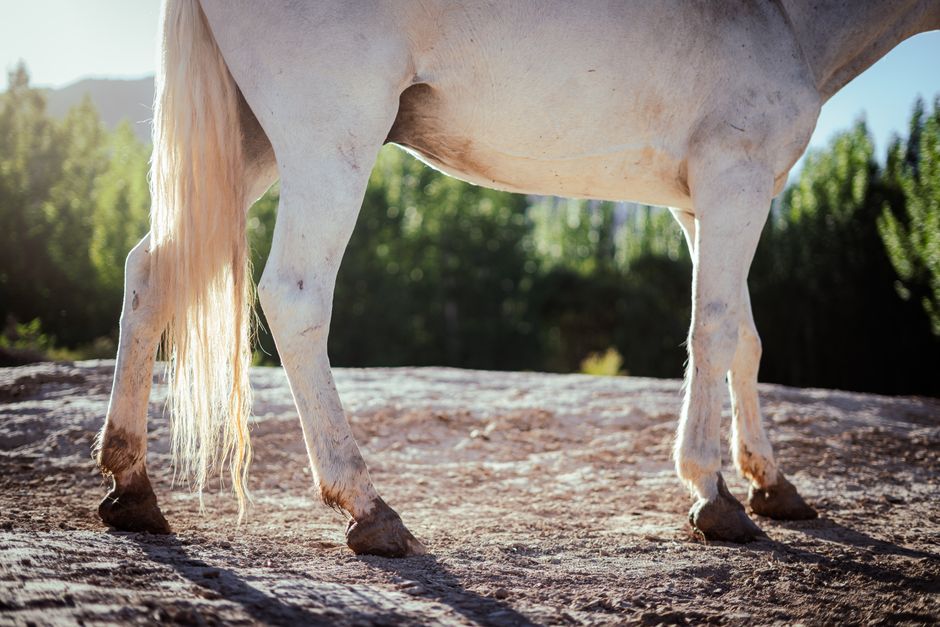
Beyond thrush, horses can develop other challenging hoof conditions including white line disease, canker, and general hoof deterioration from environmental factors. Each condition requires appropriate treatment, and understanding the specific needs of your horse's hooves is crucial. For severe cases of thrush, especially those affecting the central sulcus, specialized thrush treatments formulated to penetrate deep into compromised tissue may be necessary.
White line disease, which affects the junction between the hoof wall and sole, requires targeted intervention to prevent separation and further damage. Similarly, canker, a more serious proliferative condition, demands aggressive treatment protocols to halt its progression and restore hoof health.
The Role of Hoof Health in Overall Wellness
Maintaining optimal hoof health is fundamental to your horse's overall well-being and performance. Just as physical activity guidelines emphasize the importance of proper conditioning for human health, horses require sound hooves to engage in their natural movement patterns and athletic activities safely.

Healthy hooves provide the foundation for everything a horse does, from simple pasture grazing to competitive performance. When hoof problems arise, they can affect gait, cause lameness, and lead to compensatory issues throughout the musculoskeletal system. This interconnection means that addressing hoof problems promptly and effectively is not just about treating a localized issue—it's about preserving your horse's quality of life.
Regular hoof care, proper trimming schedules, and appropriate environmental management all contribute to maintaining hoof integrity. However, even with excellent management practices, horses may still develop hoof problems that require targeted treatment interventions.
Natural Alternatives to Traditional Copper Treatments
While copper-based products have been used for generations, many horse owners and farriers are now exploring natural alternatives that offer effective results without synthetic chemicals. Modern formulations leverage natural antimicrobial ingredients, essential oils, and botanical extracts to combat hoof infections while supporting the healing process.
Natural hoof care solutions often incorporate ingredients like tea tree oil, thyme oil, and other plant-based compounds with proven antimicrobial properties. These alternatives can be particularly appealing for horse owners seeking to minimize chemical exposure while still addressing serious hoof conditions effectively.
For horses dealing with severe hoof issues like canker or advanced thrush, comprehensive natural treatments can provide powerful intervention without the harsh chemicals found in traditional formulations. These products often work by creating an environment that supports natural healing while eliminating the pathogens causing the problem.
Best Practices for Hoof Treatment Application
Regardless of which treatment you choose, proper application technique is essential for achieving optimal results. Before applying any hoof treatment, thoroughly clean the hoof, removing all debris, mud, and loose material. This allows the treatment to make direct contact with affected tissue rather than being blocked by dirt and organic matter.
For thrush treatment, ensure you reach deep into the central sulcus and any crevices where bacteria may be hiding. Many treatments work best when they can penetrate into the compromised tissue, so don't simply paint the surface—work the product into the affected areas. Consistency is equally important; sporadic treatment rarely produces the desired results.
Environmental management plays a crucial supporting role in treatment success. Keeping stalls clean and dry, providing adequate turnout, and ensuring proper drainage in paddocks all help prevent the conditions that allow hoof problems to develop or recur. Even the most effective treatment will struggle to produce lasting results if a horse continues standing in wet, muddy conditions that promote bacterial and fungal growth.
After treating active infections, consider incorporating nutritive hoof conditioners into your maintenance routine to support overall hoof strength and flexibility, helping prevent future problems from developing.
When to Consult Your Farrier or Veterinarian
While many hoof conditions can be successfully managed with over-the-counter treatments and good management practices, some situations require professional evaluation. If a hoof condition doesn't improve within a week or two of consistent treatment, or if you notice worsening symptoms, it's time to consult with your farrier or veterinarian.
Signs that warrant professional attention include severe lameness, significant hoof structure changes, extensive tissue damage, or foul-smelling discharge that doesn't respond to initial treatment. Conditions like canker, advanced white line disease, or laminitis require professional diagnosis and often benefit from a comprehensive treatment approach that may include both topical treatments and systemic support.
Your farrier can provide valuable insights into whether trimming or shoeing modifications might support the healing process. They can also identify underlying structural issues that may be contributing to recurrent problems. Working collaboratively with equine professionals ensures your horse receives comprehensive care that addresses both symptoms and root causes.
Explore related products and collections: Outlaw Hoof Canker Care for horses, Equine Canker, Proliferative pododermatitis in horses, White Line, Severe Thrush, Outlaw Laminitis Founder Hoof Comfort Pad for Horses, Outlaw Medi Done.
Conclusion
Maintaining healthy hooves is one of the most important responsibilities of horse ownership. While copper-based treatments like Coppertox have served the equine community for many years, today's horse owners have access to a wider range of options, including natural, high-performance alternatives developed with decades of farrier expertise. By understanding the conditions affecting your horse's hooves, applying treatments correctly and consistently, and maintaining appropriate environmental conditions, you can support optimal hoof health and keep your horse sound and comfortable for years to come. Whether you choose traditional or natural approaches, the key to success lies in prompt attention, proper application, and ongoing preventive care. For more detailed insights on managing various hoof conditions, consider learning how to clean an infected horse foot.