

Best Hoof Care Products for Horses in 2026
A horse's hoof carries roughly 1,000 pounds of body weight across four relatively small surfaces, absorbing concussion with every step, turn, and jump. For horse owners, farriers, and equine professionals alike, hoof health is not cosmetic maintenance — it is foundational to soundness, performance, and quality of life. Yet hoof problems remain among the most common equine concerns, from simple dryness and chipping to stubborn thrush, white line disease, and the far more serious challenge of canker.
This guide explains what to look for in hoof care products, how different formulations address different problems, and where natural, farrier-developed solutions fit into a sensible hoof care program. Whether you are managing a single backyard companion or a full barn of performance horses, understanding the principles behind effective hoof care will help you make better decisions.
Understanding the Equine Hoof
The hoof is a living, dynamic structure. The hoof wall is continually produced at the coronet band and grows downward, while the sole and frog provide traction, shock absorption, and — critically — blood circulation support. The digital cushion and frog act as a pump with every footfall, helping return blood up the leg.
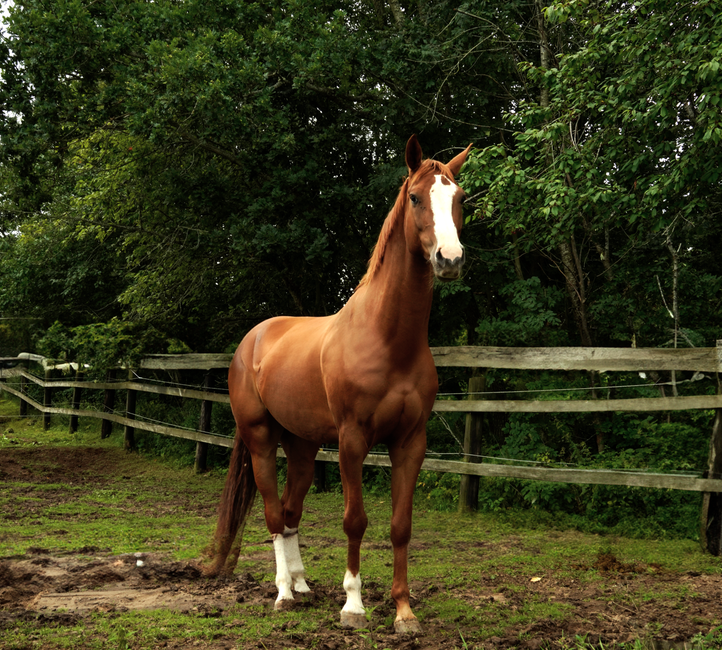
Hoof quality is influenced by genetics, nutrition, environment, exercise, and farrier work. A hoof that is too dry becomes brittle and prone to cracking; one that is too wet softens and becomes vulnerable to bacterial and fungal invasion. The balance matters enormously. As covered in this guide to natural hoof care for horses, products are most effective when they support the hoof's natural state rather than masking problems.
Key principles of sound hoof management include:
- Consistency: Regular farrier visits on an appropriate schedule for the individual horse.
- Cleanliness: Daily picking of feet, especially for stabled horses.
- Moisture balance: Avoiding extremes of wet and dry, and using conditioners that support flexibility.
- Nutrition: Adequate forage, minerals such as zinc and biotin, and balanced rations.
- Early intervention: Addressing thrush, cracks, and white line issues before they escalate.
What Makes a Hoof Care Product Effective
The hoof care market is crowded, and marketing claims can outpace evidence. When evaluating products, consider formulation, intended use, and the experience behind the brand. A hoof conditioner, for example, should support flexibility without leaving the hoof greasy or trapping moisture against the sole. A thrush treatment needs to penetrate the sulci and address the anaerobic environment where bacteria thrive — simply coating the surface rarely resolves the problem.
Natural formulations have gained significant traction, particularly among professionals who prefer to avoid harsh chemicals in daily use. Products built on ingredients such as plant-based oils, herbal extracts, and gentle antimicrobial agents can be effective when properly formulated. However, "natural" is not automatically synonymous with effective — concentration, delivery, and consistency of use all matter.
For general conditioning, look for products that restore moisture without oversaturation. For infection-related issues, look for treatments designed specifically for the condition. And for professionals managing multiple horses, consider packaging that supports efficient, economical use — such as bulk and wholesale hoof care options for barns and clinics.
Addressing Thrush: Prevention and Treatment
Thrush is one of the most frequently encountered hoof problems in domesticated horses. It is caused by anaerobic bacteria and fungi that thrive in the deep, oxygen-deprived crevices of the frog, particularly the central sulcus. Contributing factors include wet bedding, muddy paddocks, infrequent foot cleaning, and long periods of standing in soiled stalls.
Early thrush often presents as a black, foul-smelling discharge around the frog and a softening of the tissue. More advanced cases can cause lameness and, in severe forms affecting the central sulcus, significant discomfort. The key to management is twofold: environmental improvement to reduce moisture and re-exposure, and consistent treatment to address the infection itself.
Effective thrush treatments typically combine antimicrobial action with a formulation that reaches into the sulci. Products such as Outlaw Thrush Stuff™ for severe central sulcus thrush are designed for stubborn or recurrent cases where basic remedies have fallen short. Confusing thrush with more serious conditions is common, so it helps to understand the key differences between thrush and canker in horses before choosing a treatment.
Practical thrush management tips:
- Pick out feet daily and scrub the frog when needed.
- Keep stalls dry and remove wet bedding promptly.
- Address mud management in turnout areas where possible.
- Treat consistently for the full recommended course — stopping early invites recurrence.
- Review farrier scheduling; overgrown or unbalanced hooves create more deep crevices for bacteria to colonize.
White Line Disease and Canker: Serious Hoof Conditions
White line disease is a hoof wall infection in which opportunistic fungi and bacteria invade the non-living horn tissue along the white line, separating the hoof wall from the sole. It can progress quietly for months before becoming obvious, and severe cases require aggressive farrier work alongside treatment. For a deeper look at the condition and its treatment, see this complete guide to hoof wall separation treatment.
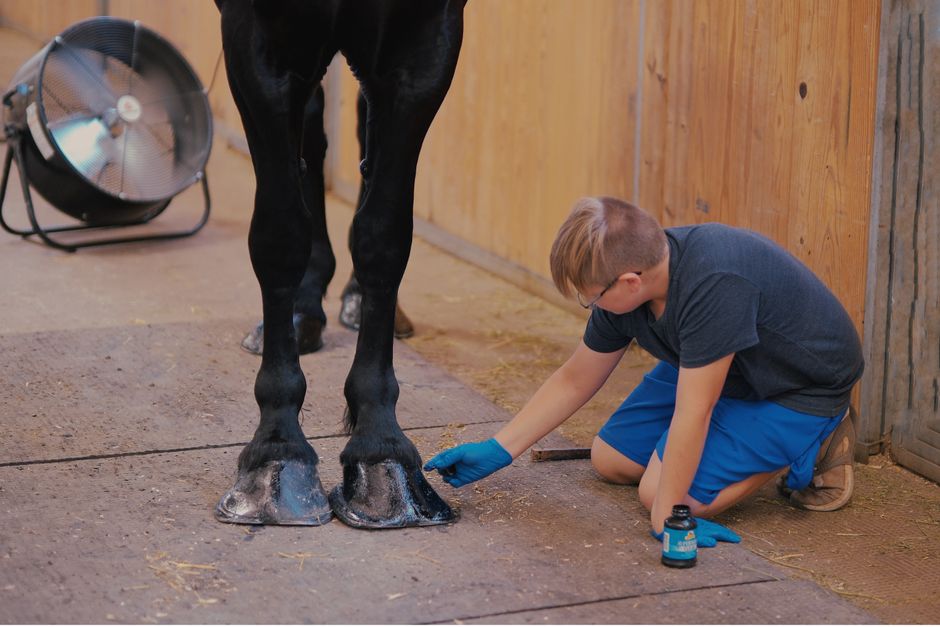
Canker — technically equine proliferative pododermatitis — is a more serious condition characterized by proliferative, often painful tissue growth in the frog and sole area. It requires veterinary involvement, diligent debridement, and sustained treatment. Canker is not something to manage casually; early recognition and a coordinated approach with your veterinarian and farrier make a real difference.
For horses facing these conditions, dedicated formulations matter. Products such as Outlaw White Line Defense are designed to support treatment of white line issues, while Outlaw Hoof Canker Care targets the specific needs of canker cases. Horse owners and farriers managing multiple concerns can also consider multi-product combination packs that bundle treatments for thrush, canker, and nourishment.
Daily Nourishment and Conditioning
Beyond treating specific problems, day-to-day hoof care should focus on maintaining healthy moisture balance and flexibility. Hooves in dry climates, or those exposed to abrasive surfaces, frequently develop cracks and chips. Overly wet conditions, conversely, soften the hoof and leave it vulnerable.
Hoof conditioners typically aim to restore suppleness to the hoof wall, sole, and frog. Application frequency varies by climate and individual horse condition — some benefit from several applications per week, while others need only occasional use. The best approach is to monitor hoof condition regularly and adjust based on season, workload, and turnout conditions.
Nutrition remains the foundation. Quality forage, balanced minerals, and adequate protein support hoof growth from the inside out. Hoof growth is slow — a full hoof wall replacement can take the better part of a year — so patience is required when assessing any nutritional or topical regimen. To set realistic expectations, it helps to know what you can actually expect from horse hoof care in 2 weeks.
Choosing Products for Different Needs
A practical hoof care toolkit often includes more than one product:
- A daily conditioning product for general moisture balance and flexibility.
- A targeted thrush treatment for horses prone to frog issues or when discharge appears.
- Specialized treatments for white line disease and canker, used under professional guidance.
- Supportive products for comfort during recovery from hoof-related conditions.
For example, Outlaw Nourish natural hoof conditioner addresses dry, cracked hooves as part of a maintenance routine, while horses recovering from founder or laminitis-related sensitivity may benefit from supportive options such as comfort boots designed for laminitis. When administrating medicated products, some owners find palatability enhancers helpful to encourage easy administration — though hoof products are typically applied topically, so always follow the specific product instructions.
Professional farriers often prefer to evaluate several products in practice. Working with a trusted farrier or veterinarian when a condition is severe, recurrent, or involves lameness is always the right call — sound farrier care and maintenance is the backbone of any hoof care program.
Conclusion
The best hoof care products for horses in 2026 are those that match the specific condition being managed, are used consistently, and are supported by sound farrier work, good management, and proper nutrition. Thrush, white line disease, and canker each demand a targeted approach — general conditioning products alone will not resolve an active infection, and aggressive treatments are unnecessary for routine maintenance.
For horse owners, farriers, and equine professionals seeking natural, high-performance hoof care solutions, understanding the underlying principles empowers better product choices. Whether you are managing a single sensitive horse or a full barn, prioritizing consistent care, early intervention, and professional collaboration remains the most reliable path to sound, healthy hooves.