

Barefoot Horse Care: a Complete Guide
The barefoot horse movement has transformed equine hoof care over the past two decades, challenging conventional wisdom about shoeing and revealing horses' natural capabilities. Transitioning to or maintaining a barefoot lifestyle requires understanding fundamental hoof mechanics, proper nutrition, appropriate exercise, and vigilant monitoring. Whether you're a seasoned farrier, new horse owner, or equine professional, comprehending the principles behind successful barefoot horse care empowers you to make informed decisions about your horse's hoof health and overall well-being.
Understanding the Natural Hoof
Wild horses traveled 20-30 miles daily across varied terrain, naturally wearing and conditioning their hooves without human intervention. This constant movement stimulated blood circulation, promoted healthy tissue growth, and created naturally resilient hoof structures. The domestic horse's hoof possesses these same remarkable capabilities when properly supported.

The hoof capsule consists of interconnected structures working together: the hoof wall, sole, frog, bars, and internal laminae. Each component serves specific functions, from shock absorption to circulation. The frog acts as a hydraulic pump, driving blood through the hoof with each step. The sole provides protection while maintaining flexibility, and the hoof wall bears weight while allowing expansion and contraction.
Understanding these natural mechanisms explains why barefoot care succeeds when horses receive appropriate conditioning, nutrition, and environment. Modern research confirms what natural hoof care practitioners have observed: properly maintained barefoot hooves often demonstrate superior health, circulation, and functionality compared to shod hooves.
Transitioning to Barefoot
Removing shoes represents just the first step in a comprehensive transition process. Horses accustomed to metal shoes require time adapting as hooves rebuild strength and the horse adjusts biomechanically. Initial tenderness is normal, though severe or prolonged discomfort warrants professional evaluation.
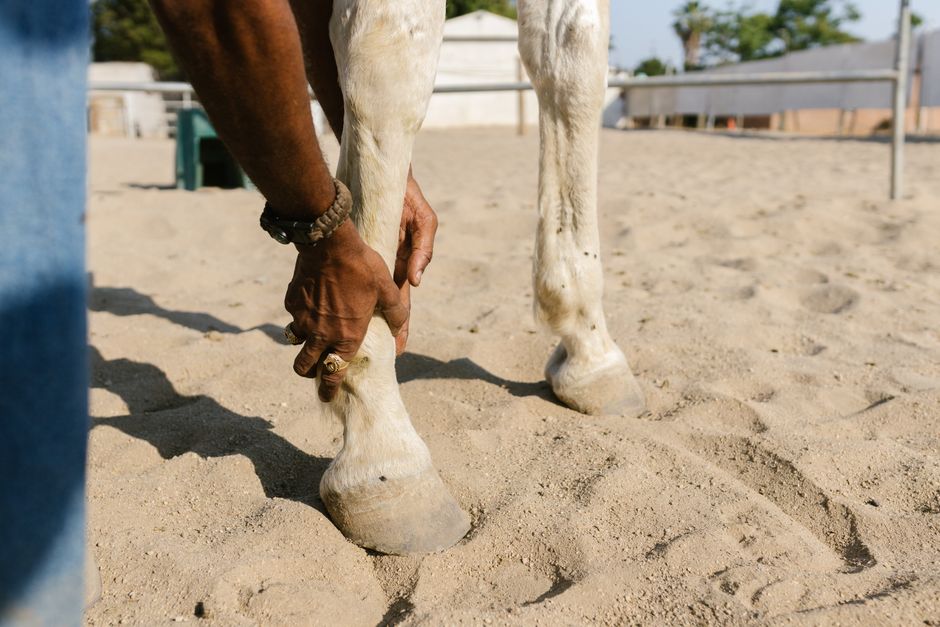
The transition period typically spans three to twelve months, varying based on hoof quality, previous shoeing history, workload, and environment. During this time, hooves undergo significant remodeling. The sole thickens, the frog expands and becomes more calloused, and hoof walls develop appropriate angles and thickness.
Gradual conditioning prevents overwhelming sensitive tissues. Start with soft surfaces like grass or sand, progressively introducing harder or rockier terrain as tolerance improves. Some horses benefit from temporary hoof boots during rides while barefoot conditioning continues. Monitor comfort levels closely, adjusting exercise intensity and duration based on individual response.
Maintaining a consistent trimming schedule with a knowledgeable barefoot trimmer or farrier ensures proper balance throughout transition. Regular hoof conditioning treatments support tissue health during this demanding remodeling phase.
Movement and Exercise Requirements
Movement constitutes the cornerstone of successful barefoot horse care. Just as human physical activity supports overall health according to CDC guidelines, equine movement drives hoof health through multiple mechanisms.
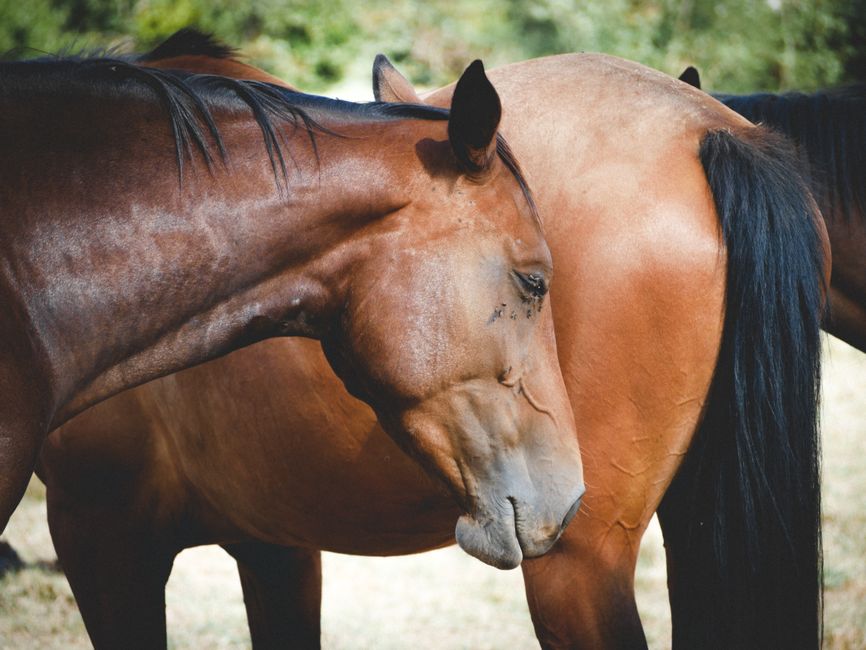
Constant low-grade movement stimulates circulation, delivers nutrients to hoof structures, removes metabolic waste, and maintains optimal tissue conditioning. Horses with ample turnout space naturally achieve this movement through grazing patterns, social interactions, and environmental exploration. Confined horses require deliberate exercise programs compensating for restricted movement.
Varied terrain provides natural conditioning impossible to replicate in flat paddocks or arenas. Hills build strength and balance, rocks stimulate sole development, and different surfaces challenge proprioception and coordination. Creating diverse environments within turnout areas—adding gravel paths, raised areas, or textured surfaces—enhances natural conditioning opportunities.
Regular riding or driving on appropriate surfaces further conditions hooves while maintaining fitness. Balance intensity with recovery, particularly during transition or following hoof problems. Consistent moderate exercise surpasses sporadic intense work for building durable barefoot hooves.
Nutrition's Critical Role
Hoof quality directly reflects nutritional status. Poor nutrition manifests in weak, brittle, slow-growing hooves regardless of trimming excellence or movement opportunities. Conversely, optimal nutrition enables hooves to reach their genetic potential.
Balanced minerals form the foundation of hoof nutrition. Biotin, zinc, copper, and methionine particularly influence hoof growth and quality. Many forages lack adequate mineral balance, requiring supplementation matching local deficiencies. Water-soluble vitamins like biotin require consistent daily intake, as the body cannot store reserves.
Protein quality and quantity affect hoof integrity since the hoof wall consists primarily of keratin, a structural protein. Essential amino acids, especially methionine and lysine, provide building blocks for strong hoof tissue. High-quality hay or pasture typically supplies adequate protein for maintenance, though performance horses may require additional supplementation.
Omega-3 fatty acids support hoof moisture balance and flexibility. Horses grazing fresh pasture obtain omega-3s naturally, while those consuming primarily hay benefit from supplementation through ground flax, chia seeds, or specialized supplements. To ensure your horse receives the best possible nutrients for strong hooves, consider exploring the best horse feed for hoof health.
Blood sugar spikes from high-starch diets may contribute to laminitis risk, a devastating hoof condition. Forage-based diets with limited concentrates generally support better metabolic health and reduced laminitis incidence compared to grain-heavy feeding programs.
Environmental Management and Common Issues
Environment profoundly impacts barefoot hoof health. Excessive moisture softens structures, creating vulnerability to bacterial and fungal infections. Chronically wet conditions weaken the hoof wall, making it prone to chipping and cracking. Conversely, extremely dry environments cause brittle hooves in horses and painful cracking. For preventative measures, especially in dry climates, understanding the causes, prevention, and treatment for dry hoof issues is essential.
Proper drainage in living areas prevents moisture-related problems. Paddocks and stalls should slope appropriately, with absorbent bedding changed regularly. Gravel or crushed rock in high-traffic areas promotes drainage while providing beneficial conditioning stimulus. During wet seasons, temporary gravel pads near gates, water sources, and feeding areas prevent muddy deterioration.
Thrush, a bacterial infection affecting the frog's central and lateral sulci, commonly afflicts barefoot horses in damp environments. Characterized by black, foul-smelling discharge, thrush causes discomfort and structural damage if untreated. Consistent cleaning combined with effective thrush treatments eliminates infections while preventing recurrence.
White line disease involves bacterial or fungal invasion of the white line, creating separations that undermine hoof wall integrity. Prompt attention prevents extensive damage. Regular trimming removes affected tissue while targeted treatments address underlying infection.
Canker, a more serious proliferative condition affecting the frog and sole, requires aggressive treatment. This chronic infection produces characteristic cauliflower-like growths and foul odor. Canker hoof: causes, treatment, and prevention are crucial for horse owners to understand, and Specialized canker care products developed by experienced farriers provide effective solutions when combined with proper environmental management and professional trimming.
Daily Care and Monitoring
Successful barefoot horse care demands attentive daily observation and maintenance. Pick hooves at least once daily, removing packed debris that creates moisture pockets and bacterial growth. Examine all structures during cleaning—the sole, frog, bars, white line, and hoof wall—noting any changes in color, texture, odor, or integrity.
Early detection prevents minor issues from becoming major problems. Small cracks, slight separation, or subtle odor changes warrant immediate attention before progressing to serious infections or structural failures. Photograph hooves periodically to track long-term changes that may not be obvious day-to-day.
Regular professional trimming, typically every 4-8 weeks depending on growth rate and wear patterns, maintains proper balance and angles. Even self-maintaining horses benefit from professional evaluation ensuring balanced loading and identifying developing problems. Establish a working relationship with a farrier or trimmer experienced in barefoot care.
Apply hoof conditioning products judiciously based on individual needs and environmental conditions. During dry periods, moisture-balancing treatments prevent excessive brittleness. In wet conditions, focus on protective products that support tissue health without trapping moisture. Quality natural products formulated by experienced professionals deliver superior results compared to generic alternatives.
Conclusion
Barefoot horse care represents a commitment to supporting horses' natural capabilities through informed management. Success requires understanding hoof anatomy, providing adequate movement and varied terrain, delivering optimal nutrition, managing environmental factors, and maintaining vigilant daily care. While the transition demands patience and dedication, properly maintained barefoot hooves often demonstrate remarkable durability, health, and performance. Whether managing one backyard companion or an entire barn, applying these principles creates the foundation for lifelong hoof health. When challenges arise, drawing upon professional expertise and proven natural hoof care solutions enables you to address issues effectively while supporting your horse's journey to optimal barefoot soundness.