

Barefoot Hoof Care and Natural Management
The barefoot hoof movement has gained significant traction among horse owners and equine professionals over the past two decades. This natural approach to hoof care focuses on maintaining horses without traditional metal shoes, allowing the hoof to function as nature intended. Understanding the principles of barefoot hoof management and how to support optimal hoof health is essential for anyone considering this pathway for their equine companions.
Understanding the Barefoot Hoof Structure
A barefoot hoof is a complex, dynamic structure designed to expand, contract, and adapt to various terrains. The hoof capsule consists of the outer wall, sole, frog, bars, and internal sensitive structures that work together as a sophisticated shock absorption and circulation system. When allowed to function naturally without shoes, the hoof develops greater strength and resilience over time.
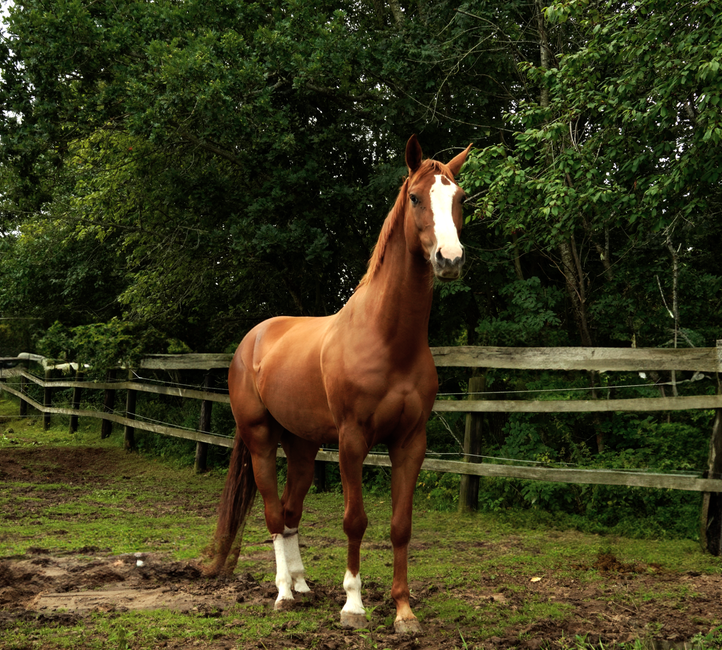
The frog plays a particularly crucial role in barefoot hooves. This V-shaped structure on the bottom of the hoof acts as a circulatory pump, pushing blood back up the leg with each step. In shod horses, the frog often becomes recessed and loses functionality, but in barefoot horses, it remains prominent and healthy, contributing to overall hoof and limb health.
The sole of a barefoot hoof also differs from that of a shod horse. It develops natural callusing that provides protection while maintaining enough flexibility to accommodate uneven ground. This self-protecting mechanism is one of the primary advantages of barefoot management, though it requires proper nutrition and movement to develop correctly.
Benefits and Challenges of Going Barefoot
Transitioning to barefoot can offer numerous advantages for horses. Improved circulation, enhanced proprioception, and natural shock absorption are among the most significant benefits. Many barefoot horses demonstrate better balance, soundness, and overall health compared to their shod counterparts. The natural hoof mechanism allows for optimal blood flow throughout the hoof and lower limb, which can contribute to faster healing and reduced inflammation.

However, the barefoot transition isn't without challenges. Horses accustomed to shoes often experience a period of tenderness as their hooves adapt and strengthen. This transition can take anywhere from several months to over a year, depending on the horse's initial hoof condition, nutrition, and the terrain they regularly traverse. During this time, many horses benefit from hoof boots for riding on challenging surfaces.
Success with barefoot hooves requires commitment to proper management practices. Regular trimming by a knowledgeable barefoot trimmer or farrier, adequate movement to stimulate hoof growth and conditioning, and attention to nutrition all play critical roles. Just as regular physical activity supports human health, consistent movement is essential for developing strong, functional barefoot hooves.
Essential Barefoot Hoof Maintenance
Maintaining barefoot hooves requires diligent daily care and observation. Regular picking of the hooves removes debris that can pack into the sole and frog, potentially leading to infections like thrush. Thrush, a bacterial and fungal infection of the frog and sulci, is one of the most common issues facing barefoot horses, particularly those in wet or unsanitary conditions.

Addressing thrush promptly is crucial for barefoot hoof health. Infected tissue compromises the frog's function and can cause lameness if left untreated. Using an effective thrush treatment that penetrates deep into affected areas can help restore hoof health and prevent the infection from spreading to surrounding structures.
Beyond infection control, barefoot hooves benefit from nourishment that supports flexibility and prevents excessive drying or cracking. A quality natural hoof conditioner helps maintain the delicate moisture balance in the hoof wall and sole, promoting optimal function without creating an impermeable barrier that prevents the hoof from breathing.
Nutrition and Lifestyle Factors
The quality of a barefoot hoof reflects the horse's overall health, with nutrition playing a foundational role. Adequate protein, essential fatty acids, biotin, zinc, copper, and other micronutrients support strong hoof growth and integrity. Deficiencies in any of these nutrients can manifest as weak, brittle, or slow-growing hooves that struggle to thrive in a barefoot state.

Movement and terrain diversity are equally important for developing robust barefoot hooves. Horses kept in small paddocks with limited movement opportunities often develop weaker hooves than those with access to varied terrain and ample space to roam. The natural wear and stimulation from different surfaces encourage proper hoof growth patterns and callus development.
Living conditions significantly impact barefoot hoof health. While hooves need some moisture exposure, standing in consistently wet or muddy conditions predisposes horses to thrush, white line disease, and other moisture-related problems. Providing well-drained turnout areas and dry standing spaces helps maintain optimal hoof condition and reduces the risk of infection.
Addressing Common Barefoot Hoof Issues
Even with excellent management, barefoot horses can encounter hoof problems that require intervention. White line disease, a separation of the hoof wall from the underlying structures, can occur when bacteria or fungi invade the white line. This condition requires prompt treatment to prevent progression and maintain hoof integrity.
Canker, a more severe proliferative condition affecting the frog and sole, occasionally develops in barefoot horses, particularly those exposed to chronically wet conditions. This challenging condition requires aggressive treatment with specialized canker care products that address the overgrowth of tissue while promoting healthy regeneration.
Bruising and stone sensitivity are common during the barefoot transition as hooves develop protective callusing. While some sensitivity is normal, excessive tenderness may indicate nutritional deficiencies, trim issues, or underlying pathology requiring professional evaluation. Patience and appropriate support during this adaptation period are essential for long-term barefoot success.
Professional Support and Education
Working with knowledgeable barefoot professionals makes a significant difference in achieving optimal results. Qualified barefoot trimmers understand the principles of natural hoof function and can guide owners through the transition process, adjusting trim protocols based on individual hoof responses and lifestyle factors.
Education empowers horse owners to make informed decisions about their horses' hoof care. Understanding hoof anatomy, recognizing early signs of problems, and knowing when to seek professional help are invaluable skills. Many resources exist for learning about barefoot hoof care, from workshops and clinics to online communities where experienced barefoot horse owners share knowledge and support.
Farriers with expertise in both shod and barefoot approaches offer valuable perspectives, recognizing that not every horse thrives barefoot in every situation. Having access to professionals who can provide comprehensive hoof care solutions ensures horses receive appropriate support regardless of management style.
Conclusion
Barefoot hoof management represents a return to natural equine hoof function, offering numerous benefits when implemented thoughtfully and supported with proper care. Success requires understanding hoof structure and function, commitment to consistent maintenance, attention to nutrition and lifestyle factors, and willingness to address challenges as they arise. While not every horse may be a candidate for going completely barefoot, the principles of natural hoof care can benefit all horses by promoting stronger, healthier hooves. With proper knowledge, quality natural products, and professional guidance, many horses can thrive with barefoot hooves, demonstrating improved soundness and overall well-being throughout their lives.