

Winter Hoof Care Tips for Horses
Winter presents unique challenges for equine hoof health that require proactive care and attention. Cold temperatures, wet conditions, and muddy environments can wreak havoc on horse hooves, leading to serious issues like thrush, cracks, and white line disease if left unchecked. With over four decades of master farrier expertise, understanding these seasonal challenges and implementing proper preventive measures is crucial for maintaining optimal hoof health throughout the colder months.
The combination of moisture, freezing temperatures, and reduced circulation during winter creates the perfect storm for hoof problems. Horses spending more time in stalls or muddy paddocks face increased exposure to bacteria and fungi, while the freeze-thaw cycle can cause significant structural damage to the hoof wall. Proper winter hoof care requires a comprehensive approach that addresses both prevention and treatment of common cold-weather issues.
Understanding Winter Hoof Challenges
Winter weather creates several specific threats to equine hoof health. The most significant challenge comes from prolonged exposure to moisture, which softens the hoof wall and sole, making them more susceptible to bacterial and fungal infections. When horses stand in wet, muddy conditions for extended periods, the protective barrier of the hoof becomes compromised.

Freezing temperatures compound these issues by creating ice formation within hoof cracks and crevices. As water freezes and expands, it can widen existing fissures and create new ones, leading to painful splits in the hoof wall. The freeze-thaw cycle is particularly damaging, as repeated expansion and contraction stress the hoof structure.
According to the American Farriers Association, reduced blood circulation in cold weather also affects hoof growth and healing capacity. Slower growth means that minor damage takes longer to resolve naturally, while compromised circulation reduces the hoof's ability to fight off infections and maintain healthy tissue.
Poor footing conditions during winter months often lead to increased concussion and uneven wear patterns. Horses may develop compensatory movement patterns to avoid slippery or uncomfortable surfaces, which can result in abnormal stress distribution across the hoof and supporting structures.
Essential Daily Hoof Care Routines
Establishing a consistent daily hoof care routine becomes even more critical during winter months. Daily picking and inspection should be non-negotiable, as early detection of problems allows for prompt intervention before minor issues become major complications.
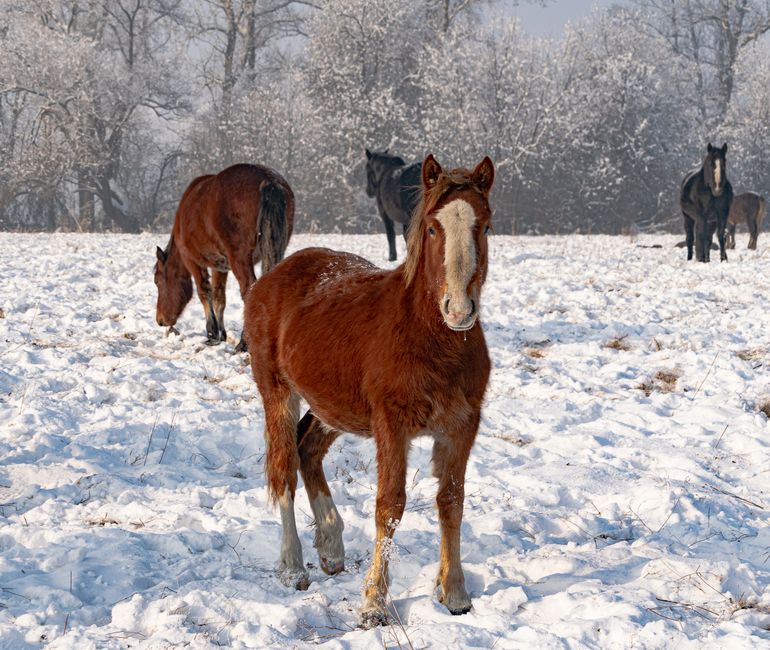
Start each inspection by thoroughly cleaning all debris from the sole and frog areas. Pay special attention to the central and lateral sulci, where moisture and organic matter tend to accumulate. These areas are prime breeding grounds for the bacteria that cause thrush, making thorough cleaning essential for prevention.
During cleaning, watch for signs of thrush, including black discharge, foul odor, or sensitivity when pressure is applied to the frog area. If thrush is detected, immediate treatment with proven products like Outlaw Thrush Stuff can prevent the infection from spreading and causing more serious damage to the sensitive structures within the hoof.
Check the hoof wall for cracks, chips, or separations along the white line. Winter conditions can cause existing defects to worsen rapidly, so documenting any changes in size or depth helps track progression and determine when professional intervention is needed.
Apply appropriate hoof treatments based on current conditions. In wet environments, antimicrobial treatments help prevent bacterial and fungal growth, while in dry conditions, conditioning products maintain proper moisture balance and flexibility.
Managing Moisture and Mud Exposure
Controlling moisture exposure is fundamental to winter hoof health. While some moisture is necessary to maintain hoof flexibility, excessive wetness creates ideal conditions for harmful microorganisms to proliferate. The key lies in finding the right balance and providing dry areas where horses can escape wet conditions.
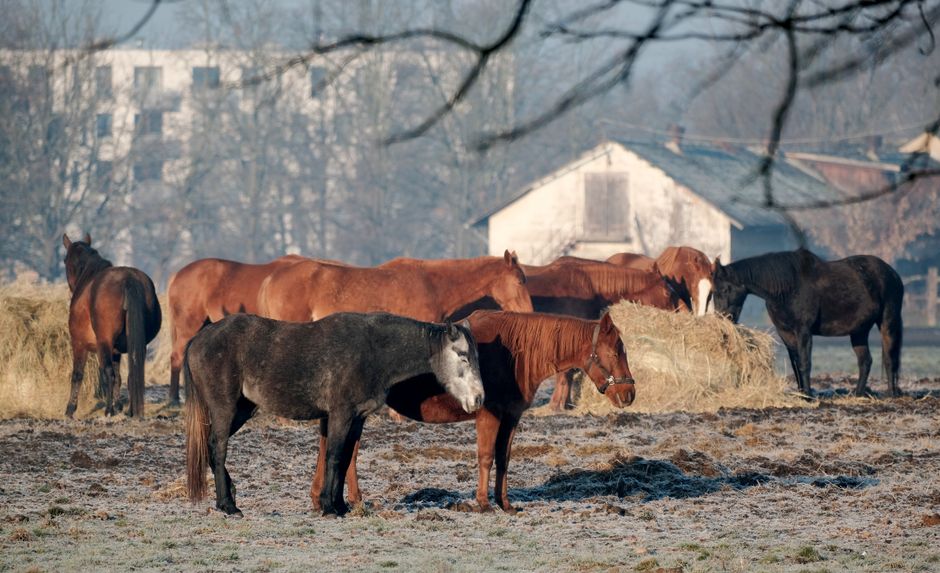
Improve drainage in high-traffic areas like gates, water sources, and feeding stations. Installing proper footing materials such as gravel or specialized mud management products can significantly reduce the amount of standing water and mud horses encounter daily. These improvements not only benefit hoof health but also reduce the workload of daily hoof cleaning.
Create dry standing areas within paddocks and pastures using materials like sand, wood chips, or rubber mats. Horses need access to dry ground for several hours daily to allow their hooves to dry properly and maintain structural integrity. Even small dry areas around water and feed stations can make a significant difference.
When dry areas are limited, consider adjusting turnout schedules to minimize exposure during the wettest parts of the day. Early morning turnout often provides access to firmer ground before daily activities create muddy conditions.
For horses that must remain in consistently wet environments, protective measures become essential. Regular application of barrier products can help seal the hoof against excessive moisture penetration while still allowing normal hoof function.
Preventing and Treating Common Winter Hoof Problems
Thrush ranks as the most common winter hoof problem, thriving in the warm, moist environment created by mud and organic debris trapped in the hoof. Prevention focuses on keeping feet clean and dry, but when thrush does develop, prompt treatment prevents it from progressing to deeper structures.
Effective thrush management requires products that can penetrate infected tissue and eliminate the causative organisms. Professional-grade treatments offer superior efficacy compared to home remedies, providing the antimicrobial power needed to resolve stubborn infections quickly.
White line disease presents another significant winter challenge, as moisture penetration along the white line provides an entry point for bacteria and fungi. This condition can progress silently, causing extensive damage before visible symptoms appear. Regular monitoring of the white line during daily cleanings helps catch problems early.
Hoof cracks often worsen during winter due to the freeze-thaw cycle and changes in moisture content. Small surface cracks may seem insignificant but can quickly develop into full-thickness splits that affect the sensitive inner structures. Professional evaluation helps determine which cracks require immediate attention and which can be monitored.
Canker represents the most serious winter hoof condition, characterized by abnormal tissue growth typically starting in the frog area. This condition requires aggressive treatment and professional management, but specialized products like Outlaw Hoof Canker Care can provide the intensive antimicrobial action needed for successful resolution.
Professional Shoeing and Trimming Considerations
Winter shoeing decisions significantly impact hoof health and horse safety during cold months. The choice between shoes and barefoot depends on multiple factors, including the horse's use, hoof quality, and environmental conditions. Working with an experienced farrier ensures the best approach for each individual situation.
Horses requiring winter traction benefit from specialized shoe modifications like studs, borium, or snow pads. These additions improve grip on icy surfaces but require proper application and maintenance to avoid causing hoof damage. The University of Minnesota Extension provides valuable resources on winter horse management, including guidelines for safe traction options.
Snow accumulation in shod hooves creates serious safety hazards and can cause pressure-related injuries. Snow pads or rim pads help prevent ice ball formation, while regular removal of accumulated snow and ice protects both horse and handler safety.
Trimming schedules may need adjustment during winter months. While hoof growth typically slows in cold weather, maintaining proper hoof balance becomes even more critical when horses face challenging footing conditions. Some horses benefit from more frequent light trims rather than traditional six-to-eight-week cycles.
Barefoot horses require particularly careful attention to hoof conditioning during winter. The increased moisture exposure can either soften hooves excessively or, in dry winter climates, lead to brittle, crack-prone hooves. Quality conditioning products like Outlaw Nourish Natural Hoof Conditioner help maintain optimal hoof flexibility and strength regardless of environmental extremes.
Nutritional Support for Winter Hoof Health
Proper nutrition plays a crucial role in maintaining strong, healthy hooves during winter challenges. The hoof wall grows continuously, and the quality of new growth depends heavily on the availability of essential nutrients during formation. Winter feeding programs should specifically address the increased demands placed on hoof tissue during cold weather.
Biotin supplementation has proven benefits for hoof quality, particularly in horses with a history of poor hoof growth or frequent cracking. However, biotin works slowly, requiring consistent supplementation for six to twelve months before visible improvements appear in hoof wall quality.
Methionine and other sulfur-containing amino acids provide the building blocks for strong hoof horn. These nutrients become particularly important when hooves face increased stress from challenging environmental conditions. Quality protein sources in the diet ensure adequate amino acid availability for hoof repair and growth.
Zinc and copper deficiencies can significantly compromise hoof quality, leading to weak, brittle horn that's more susceptible to cracking and other damage. These minerals work together in various metabolic processes essential for healthy hoof development.
Omega-3 fatty acids support overall hoof health by reducing inflammation and promoting healthy tissue development. These nutrients become particularly valuable when hooves are dealing with minor injuries or infections that could worsen without proper nutritional support.
According to research from equine nutrition specialists, vitamin E and selenium work together as antioxidants, protecting hoof tissue from damage caused by environmental stresses. Adequate levels of these nutrients support the hoof's natural healing processes and resistance to infection.
Emergency Preparedness and Problem Recognition
Winter weather can limit access to professional veterinary and farrier services, making early problem recognition and basic emergency care skills essential for horse owners. Understanding when a hoof problem requires immediate professional attention versus supportive home care can prevent minor issues from becoming serious emergencies.
Sudden onset lameness associated with hoof pain always warrants professional evaluation, as conditions like subsolar abscesses or penetrating wounds require prompt, aggressive treatment. However, mild soreness following exposure to challenging footing may respond well to rest and supportive care.
Signs of serious infection, including heat, swelling, discharge with foul odor, or increasing lameness, indicate the need for veterinary intervention. These symptoms suggest deep tissue involvement that requires professional diagnosis and treatment planning.
Maintaining an emergency hoof care kit ensures that appropriate treatments are available when needed. Essential items include antimicrobial treatments, protective bandaging materials, and conditioning products that address the most common winter hoof problems.
Documentation of hoof problems, including photographs when possible, helps track progression and provides valuable information for professional consultations. This information becomes particularly important when weather conditions delay professional visits.
Effective winter hoof care requires vigilance, consistency, and the right tools and products to address seasonal challenges. By implementing these comprehensive strategies and maintaining regular professional relationships, horse owners can successfully navigate winter's challenges while preserving optimal hoof health. Remember that prevention is always more effective and economical than treatment, making proactive winter hoof care an essential investment in your horse's long-term soundness and performance.