

Preventative Hoof Care for Horses
Proper hoof care serves as the foundation of equine health and performance. With over four decades of master farrier expertise backing this knowledge, preventative hoof maintenance represents the most effective approach to ensuring your horse's long-term soundness and comfort. A comprehensive prevention program addresses potential issues before they become costly, painful problems that can sideline your equine partner for weeks or months.
The saying "no hoof, no horse" reflects the critical importance of maintaining healthy hooves. Preventative care involves regular inspection, proper nutrition, environmental management, and the strategic use of quality hoof care products. By implementing a proactive approach, horse owners can significantly reduce the risk of common hoof ailments such as thrush, white line disease, canker, and laminitis.
Understanding Hoof Anatomy and Function
Before developing an effective preventative care routine, understanding basic hoof anatomy provides the foundation for making informed decisions. The hoof consists of several key structures working together: the hoof wall, sole, frog, white line, and internal structures including the coffin bone, navicular bone, and digital cushion.
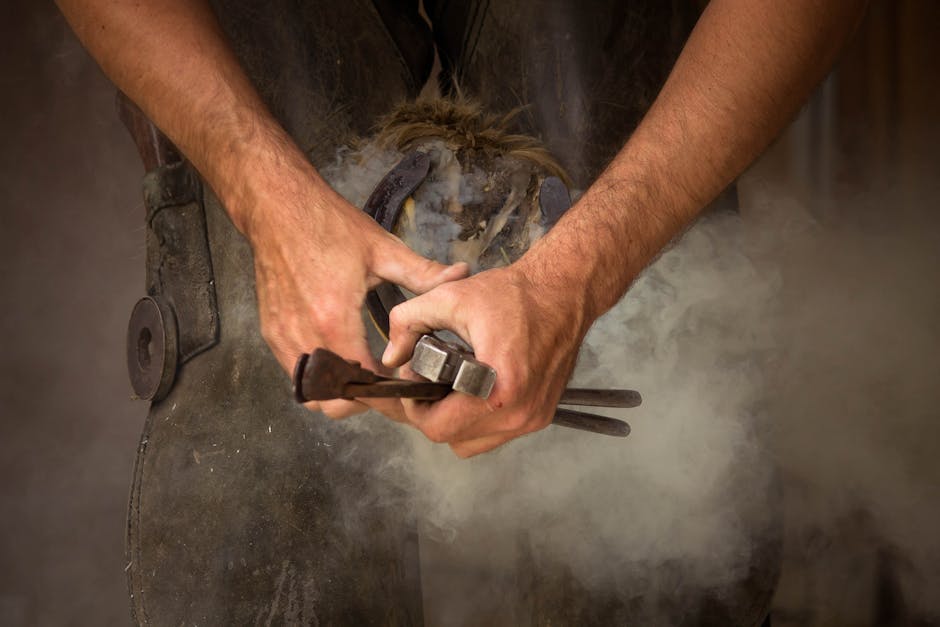
The hoof wall bears the primary weight-bearing load and protects internal structures from external trauma. The sole provides additional protection and bears some weight, while the frog acts as a natural shock absorber and circulation pump. The white line serves as the junction between the hoof wall and sole, creating a potential entry point for bacteria and debris if compromised.
Healthy hooves maintain proper moisture balance, structural integrity, and circulation. Environmental factors, nutrition, genetics, and management practices all influence hoof quality. According to the American Association of Equine Practitioners, understanding these fundamentals helps horse owners recognize normal versus abnormal conditions and implement appropriate preventative measures.
Daily Inspection and Cleaning Protocols
Establishing a daily hoof inspection routine forms the cornerstone of preventative care. This practice allows early detection of potential problems while they remain manageable and cost-effective to address. During daily inspections, examine each hoof for heat, swelling, discharge, odor, cracks, bruising, or foreign objects.
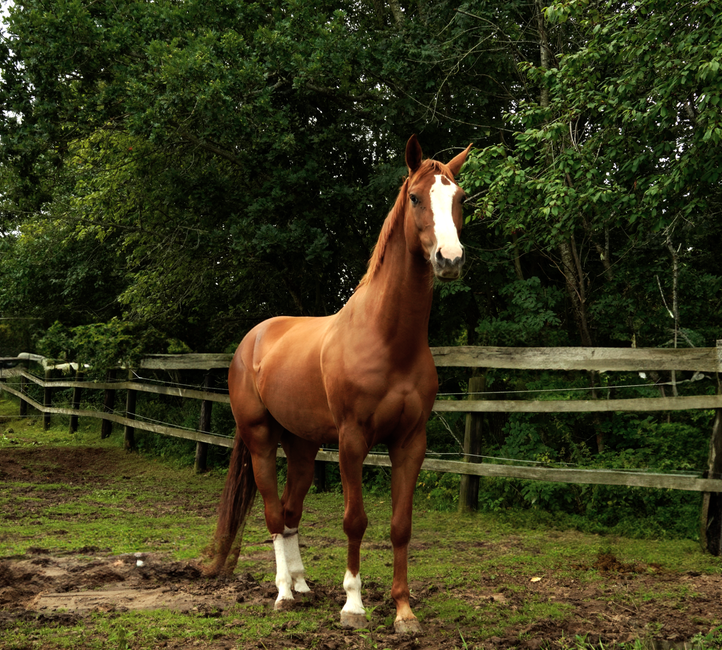
Proper cleaning technique involves picking out debris from the sole and frog areas using a hoof pick, working from heel to toe to avoid pushing material deeper into sensitive areas. Pay particular attention to the central and lateral sulci of the frog, where moisture and debris commonly accumulate, creating ideal conditions for bacterial growth.
Look for early signs of thrush, including black discharge, foul odor, or sensitivity in the frog area. If detected early, conditions like thrush respond well to targeted treatments such as specialized thrush treatments that address bacterial infections while promoting healthy tissue regeneration.
Document any abnormalities through photos or written notes, establishing a baseline for tracking changes over time. This documentation proves valuable when consulting with veterinarians or farriers about developing concerns.
Environmental Management for Optimal Hoof Health
Environmental conditions significantly impact hoof health, making proper management essential for effective prevention. Moisture levels, cleanliness, and footing quality all influence the development and progression of hoof problems.

Excessive moisture from wet stalls, muddy paddocks, or constant exposure to water softens the hoof horn, making it more susceptible to bacterial invasion and structural damage. Conversely, extremely dry conditions can cause brittleness and cracking. Maintaining moderate moisture levels through proper drainage, regular stall cleaning, and strategic use of hoof conditioners helps optimize hoof integrity.
Ammonia from decomposing urine creates a caustic environment that damages hoof tissue and promotes bacterial growth. Regular stall cleaning, adequate ventilation, and proper bedding management minimize ammonia exposure. Choose bedding materials that absorb moisture effectively while providing adequate cushioning.
Abrasive or rocky terrain can cause excessive wear, bruising, or sole penetration, while consistently soft footing may result in weak, soft hooves. Providing varied terrain allows hooves to adapt and strengthen naturally while avoiding extremes that cause damage.
Turnout and Exercise Considerations
Regular movement promotes healthy circulation within the hoof, supporting natural healing and maintenance processes. The frog's pumping action during movement helps circulate blood and lymphatic fluid, delivering nutrients and removing waste products from hoof tissues.
Gradual conditioning allows hooves to adapt to increased workloads without overwhelming their capacity for growth and repair. Sudden increases in exercise intensity or duration can lead to bruising, inflammation, or other stress-related problems.
Nutritional Support for Strong, Healthy Hooves
Proper nutrition provides the building blocks necessary for healthy hoof growth and maintenance. The hoof wall grows approximately one-quarter to one-half inch per month, requiring consistent nutritional support for optimal quality throughout the growth cycle.
Key nutrients for hoof health include high-quality protein providing essential amino acids, biotin supporting keratin production, zinc promoting tissue integrity, and omega-3 fatty acids reducing inflammation. Copper and selenium also play important roles in hoof development and maintenance.
According to research published by the The Horse magazine, nutritional deficiencies often manifest in the hooves months after they occur, as the affected tissue must grow from the coronet to the ground surface. This delayed response emphasizes the importance of consistent, long-term nutritional support.
Consult with an equine nutritionist or veterinarian to develop a feeding program appropriate for your horse's individual needs, considering factors such as age, workload, body condition, and existing health conditions.
Professional Farrier Care and Trimming Schedules
Regular professional farrier care remains fundamental to preventative hoof maintenance. Skilled farriers assess hoof balance, address conformational issues, and maintain proper angles and proportions that support soundness and performance.
Most horses benefit from farrier attention every six to eight weeks, though some may require more frequent care depending on their individual growth rates, workload, and environmental conditions. Establishing a consistent schedule prevents overgrowth, which can lead to stress, imbalance, and increased susceptibility to injury.
Professional farriers can identify developing problems during routine visits, often catching issues before they become apparent to horse owners. They can also recommend appropriate therapeutic shoeing or trimming modifications to address specific concerns or conformational challenges.
Maintain open communication with your farrier regarding any observations or concerns about your horse's hooves. Their expertise, combined with your daily monitoring, creates a comprehensive approach to preventative care.
Strategic Use of Hoof Care Products
Quality hoof care products serve as valuable tools in a comprehensive preventative program when used appropriately and consistently. Different products address specific needs, from moisture management to infection prevention to structural support.
For horses prone to dry, cracked hooves, regular application of natural hoof conditioners helps maintain optimal moisture balance and flexibility. These products penetrate the hoof wall to nourish from within while providing external protection.
Horses with recurring white line issues benefit from targeted treatments that address the unique challenges of this sensitive junction area. Specialized white line products help maintain integrity in this vulnerable zone while promoting healthy tissue development.
For severe conditions such as canker or proliferative pododermatitis, early intervention with appropriate treatments can prevent progression to more serious stages requiring extensive veterinary intervention. Products designed for these specific conditions offer concentrated therapeutic benefits when applied according to professional guidance.
Application Techniques and Timing
Proper application technique maximizes product effectiveness while ensuring safety for both horse and handler. Clean hooves thoroughly before applying any treatment products, allowing better penetration and preventing the trapping of debris or contaminants.
Follow manufacturer guidelines for application frequency and duration, adjusting based on individual response and environmental conditions. Some products work best on clean, dry hooves, while others are formulated for application to moist surfaces.
Monitor response to any new products carefully, watching for signs of irritation or adverse reactions. Discontinue use if negative effects occur and consult with veterinary professionals as needed.
Seasonal Considerations and Weather Adaptations
Seasonal changes bring unique challenges requiring adjustments to preventative care routines. Spring mud season increases exposure to moisture and bacteria, while summer heat and dry conditions can cause brittleness and cracking. Winter freeze-thaw cycles create additional stress, and snow and ice present their own set of challenges.
During wet seasons, increase cleaning frequency and consider using products that help shed moisture or create protective barriers. Pay extra attention to areas where water and debris accumulate, such as the central sulcus and white line junction.
Dry seasons may require more intensive moisture management through conditioning products and environmental modifications such as providing access to moist areas or using soaking boots for therapeutic purposes.
Winter conditions often necessitate additional protection from ice and snow buildup, which can create dangerous footing conditions and put stress on hoof structures. Remove ice and snow promptly and consider appropriate traction devices when necessary.
Recognizing Early Warning Signs
Successful preventative care depends on recognizing subtle changes that indicate developing problems. Early warning signs include changes in gait or movement patterns, heat in specific hoof areas, sensitivity to pressure, changes in hoof wall appearance, or unusual odors.
According to the University of Minnesota Extension, many serious hoof problems begin with minor changes that progress gradually over time. Catching these changes early allows for intervention before they develop into major issues requiring extensive treatment and recovery time.
Digital photography can help track subtle changes over time, particularly useful for monitoring conditions such as white line changes, hoof wall quality variations, or sole appearance modifications.
Establish relationships with qualified veterinary and farrier professionals before problems arise, ensuring prompt access to expert guidance when concerns develop.
Prevention is always more cost-effective and less stressful for horses than treatment of established problems. A comprehensive preventative approach protects your investment in your horse's health while maintaining their comfort and performance potential.
Preventative hoof care represents one of the most important aspects of responsible horse ownership. Through consistent daily care, appropriate environmental management, proper nutrition, regular professional attention, and strategic use of quality products, horse owners can significantly reduce the risk of serious hoof problems while promoting optimal comfort and performance. The investment in time and resources required for effective prevention pays dividends through reduced veterinary costs, improved horse welfare, and enhanced partnership between horse and rider. Remember that each horse is an individual with unique needs, and successful preventative programs often require adjustments based on specific circumstances and professional guidance.