

Natural Hoof Care Methods for Horses
Maintaining healthy horse hooves is fundamental to your equine's overall well-being and performance. Natural hoof care methods have gained significant popularity among horse owners and farriers who seek effective, chemical-free solutions for common hoof problems. With proper understanding and application of these methods, you can promote stronger, healthier hooves while reducing dependency on harsh synthetic treatments.
Understanding Natural Hoof Anatomy and Function
The horse's hoof is a complex structure designed by nature to be self-maintaining under proper conditions. The hoof wall, sole, frog, and heel bulbs work together as an integrated system that supports the horse's weight, absorbs shock, and provides circulation through natural expansion and contraction during movement.
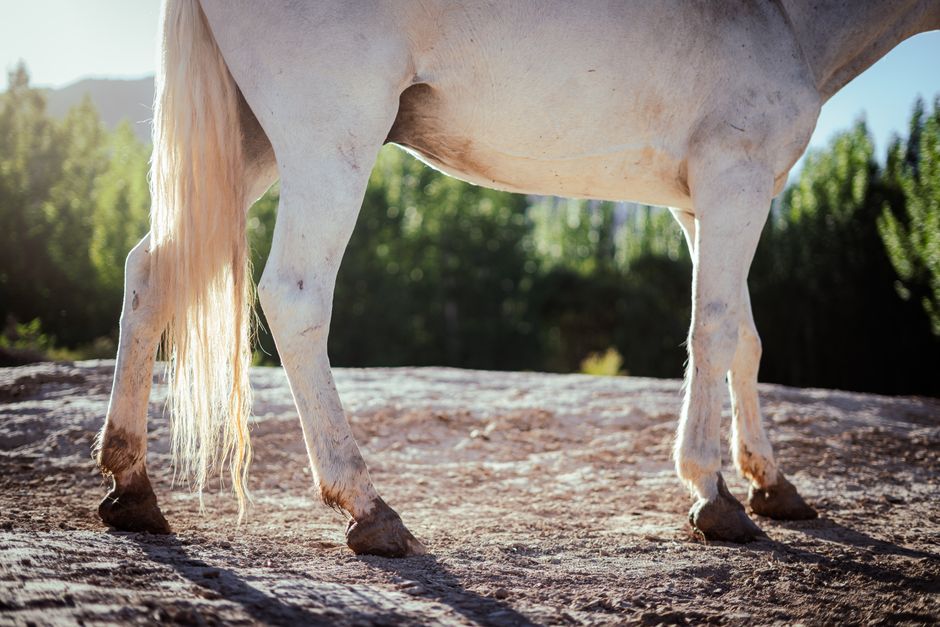
Natural hoof care recognizes that the hoof capsule is living tissue that responds positively to appropriate environmental conditions and nutrition. The American Farriers Association emphasizes the importance of understanding hoof mechanics when implementing any care regimen. When hooves function naturally, they develop optimal strength, flexibility, and resilience against common ailments like thrush, white line disease, and abscesses.
The key principle behind natural hoof care is supporting the hoof's inherent ability to heal and maintain itself. This approach focuses on addressing root causes rather than merely treating symptoms, leading to more sustainable long-term hoof health.
Essential Natural Hoof Maintenance Practices
Daily hoof care forms the foundation of any natural maintenance program. Regular picking and inspection allow you to identify potential issues before they become serious problems. Clean hooves thoroughly, removing dirt, rocks, and debris from the sole and frog areas.
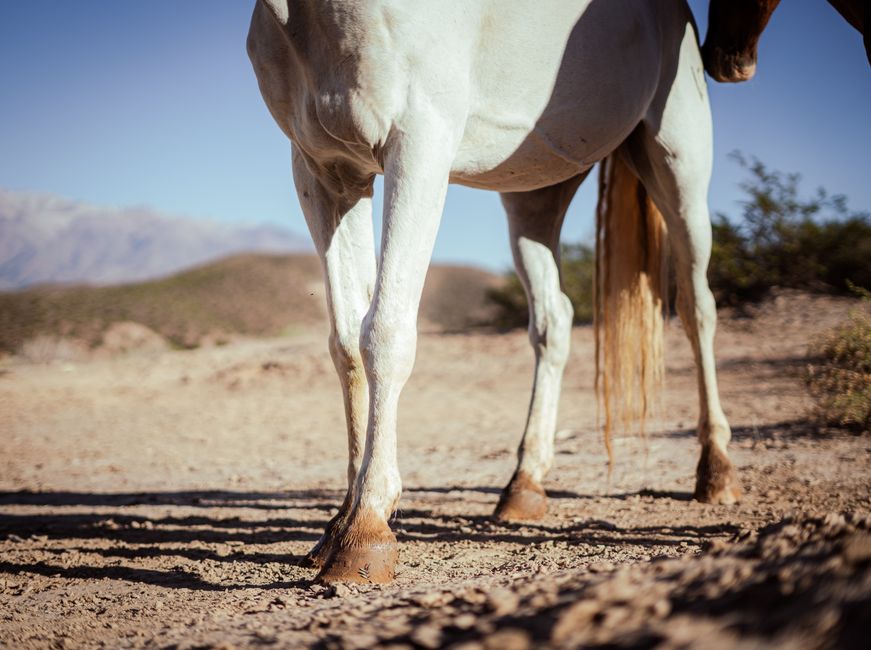
Proper turnout and exercise are crucial for natural hoof health. Movement stimulates blood circulation within the hoof capsule, promoting healing and growth. Horses kept in stalls for extended periods often develop weaker hooves due to reduced circulation and lack of natural wear patterns.
Environmental management plays a vital role in hoof health. Maintain clean, dry living areas while providing access to varied terrain that naturally conditions the hooves. Excessive moisture can soften hooves and create ideal conditions for bacterial and fungal infections, while overly dry conditions can lead to cracking and brittleness.
Quality nutrition supports hoof growth from the inside out. Ensure your horse receives adequate protein, essential fatty acids, biotin, zinc, and other nutrients crucial for keratin production. Many hoof problems stem from nutritional deficiencies that affect the quality of new hoof growth.
Natural Topical Treatments
Natural oils and conditioners help maintain optimal hoof moisture balance. High-quality products like Outlaw Nourish Natural Hoof Conditioner penetrate deep into the hoof structure, providing essential nutrients while maintaining proper flexibility without over-softening.
Apple cider vinegar serves as a natural antiseptic and pH balancer. Diluted vinegar solutions can help create an environment hostile to harmful bacteria and fungi while being gentle on healthy tissue. Many horse owners incorporate vinegar into their regular hoof care routines for prevention and mild treatment purposes.
Treating Common Hoof Problems Naturally
Thrush represents one of the most common hoof ailments affecting horses worldwide. This bacterial infection typically develops in the central and lateral sulci of the frog, producing a characteristic black, foul-smelling discharge. Natural thrush treatment focuses on creating an environment where beneficial bacteria can flourish while eliminating harmful pathogens.

Effective natural thrush treatments like thrush treatment for horses utilize antimicrobial ingredients that work synergistically to combat infection while promoting healthy tissue regeneration. These treatments often contain natural antifungal and antibacterial compounds that penetrate affected areas without damaging surrounding healthy tissue.
White line disease occurs when bacteria or fungi invade the white line area where the hoof wall meets the sole. Natural treatment approaches focus on removing infected material, improving hoof wall integrity, and preventing reinfection through targeted antimicrobial applications.
Canker, though less common, represents a serious proliferative condition affecting the frog and sole. Natural approaches to canker management emphasize creating optimal healing conditions while supporting the body's immune response. Specialized products like Outlaw Hoof Canker Care provide targeted support for these challenging cases.
Supporting Laminitis Recovery
Laminitis, inflammation of the laminae connecting the hoof wall to the coffin bone, requires careful management to prevent permanent damage. Natural approaches focus on reducing inflammation, supporting circulation, and providing mechanical support during the healing process.
Comfort and support measures can significantly impact recovery outcomes. Products designed specifically for laminitis cases, such as Outlaw Laminitis Founder Hoof Comfort Pad, provide essential cushioning and support while allowing natural hoof function to continue.
Barefoot vs. Shod: Natural Hoof Care Considerations
The barefoot movement emphasizes allowing horses to function without shoes whenever possible, promoting natural hoof development and function. Barefoot horses often develop stronger, more resilient hooves when properly conditioned and maintained on appropriate terrain.
Transitioning from shod to barefoot requires careful planning and gradual conditioning. The Equine Wellness Magazine provides extensive resources on barefoot transitions and maintenance. During this process, hooves may initially appear sensitive or weak, but proper care and conditioning typically result in stronger, healthier feet.
However, some horses may require shoes due to conformational issues, work demands, or medical conditions. Even shod horses benefit from natural care methods applied to exposed hoof areas and during periods between shoeings.
Professional farrier involvement remains important regardless of whether you choose barefoot or shod management. Experienced farriers can provide valuable guidance on trim schedules, balance issues, and problem-solving approaches that complement your natural care routine.
Preventive Natural Hoof Care Strategies
Prevention represents the most effective approach to hoof health management. Implementing consistent daily care routines significantly reduces the likelihood of serious hoof problems developing. Regular inspection allows early detection of minor issues before they progress to more serious conditions.
Seasonal care adjustments help hooves adapt to changing environmental conditions. Winter management may require additional moisture protection and ice prevention measures, while summer care often focuses on preventing excessive drying and protecting against insects.
Developing relationships with knowledgeable professionals enhances your natural care program. Veterinarians, farriers, and equine nutritionists can provide valuable insights specific to your horse's individual needs and circumstances.
Record keeping helps track patterns and identify successful treatments or management practices. Documenting hoof health changes, environmental factors, and treatment responses provides valuable information for future decision-making.
Building a Comprehensive Natural Care Program
Successful natural hoof care requires integrating multiple approaches into a cohesive management strategy. This includes daily maintenance routines, appropriate environmental management, proper nutrition, and access to effective natural treatment products when needed.
Education plays a crucial role in program success. Understanding hoof anatomy, recognizing early warning signs of problems, and knowing when to seek professional assistance enables more effective management decisions. The American Association of Equine Practitioners offers educational resources that can enhance your understanding of equine hoof health.
Consistency in application ensures optimal results from natural care methods. Sporadic or inconsistent treatment approaches often fail to achieve desired outcomes, while regular, systematic care typically produces significant improvements in hoof health and performance.
Product selection significantly impacts program effectiveness. Choose high-quality natural products backed by experienced professionals who understand the complexities of hoof health management.
Conclusion
Natural hoof care methods offer horse owners effective, sustainable approaches to maintaining optimal hoof health. By understanding hoof anatomy and function, implementing consistent daily care routines, and utilizing high-quality natural products when needed, you can support your horse's natural healing abilities while preventing common hoof problems.
Success with natural hoof care requires patience, consistency, and ongoing education. While these methods may take longer to show results compared to harsh chemical treatments, they typically provide more sustainable long-term benefits and support overall hoof integrity.
Remember that severe hoof problems should always be evaluated by qualified professionals. Natural care methods work best as part of a comprehensive management approach that includes appropriate veterinary and farrier involvement when necessary. With proper implementation, natural hoof care can significantly enhance your horse's comfort, performance, and overall well-being.