

Horse Hoof Sealant for Protection: Comprehensive Guide to Hoof Health
Protecting your horse's hooves is fundamental to maintaining their overall health, mobility, and performance. Just as humans need proper footwear and foot care, horses require dedicated attention to their hooves—their foundation for every step they take. Horse hoof sealants have become essential tools in modern equine care, offering protection against environmental threats, moisture imbalance, and structural damage that can compromise hoof integrity.
Understanding how hoof sealants work and when to use them can make the difference between a sound, comfortable horse and one plagued by preventable hoof conditions. This comprehensive guide explores the science behind hoof protection, the benefits of quality sealants, and how they fit into a complete hoof care regimen.
Understanding Hoof Structure and Protection Needs
The horse's hoof is a complex structure composed of multiple layers, each serving specific protective and functional purposes. The outer hoof wall acts as the primary barrier against environmental factors, while the sole protects the sensitive structures within. The frog provides shock absorption and circulation support, and the white line serves as the critical junction between the hoof wall and sole.
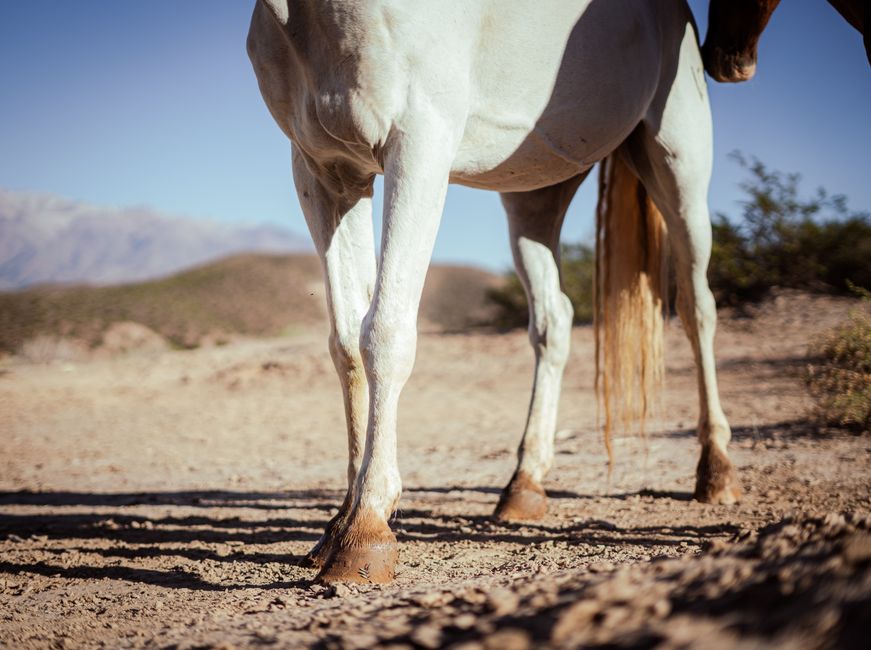
These structures face constant challenges from various environmental conditions. Wet conditions can lead to excessive moisture absorption, causing the hoof wall to soften and become vulnerable to bacterial and fungal infections. Conversely, dry conditions can result in brittle, cracked hooves that chip easily and lose structural integrity. Temperature fluctuations, muddy paddocks, and exposure to ammonia-rich bedding further compound these challenges.
A quality hoof sealant creates a breathable barrier that helps maintain optimal moisture balance within the hoof. This protection is crucial because hooves need to retain some moisture to remain flexible and resilient while avoiding the excessive wetness that promotes thrush and other infections.
Types of Hoof Sealants and Their Applications
Hoof sealants come in various formulations, each designed to address specific protection needs. Traditional pine tar-based products have been used for generations, offering water resistance and antimicrobial properties. Modern synthetic sealants provide durable barriers with extended wear times, while natural oil-based formulations focus on nourishing the hoof while providing protection.

Natural hoof conditioners represent an evolution in hoof care philosophy. Products like natural hoof conditioners combine protective sealing properties with nutritive ingredients that support hoof health from the outside in. These formulations typically contain ingredients that penetrate the hoof structure while creating a protective surface layer.
The application method varies depending on the product type. Some sealants are painted on like traditional hoof dressing, while others may be applied as sprays or absorbed as conditioners. The key is selecting a product that matches your horse's specific environmental challenges and hoof condition.
Benefits of Regular Hoof Sealing
Implementing a consistent hoof sealing routine delivers multiple benefits that extend beyond simple moisture control. First and foremost, proper sealing helps prevent common hoof ailments such as thrush, a bacterial infection that thrives in moist environments. By maintaining appropriate moisture levels and creating an inhospitable environment for pathogens, sealants reduce the risk of infections that can cause lameness and discomfort.

Sealants also contribute to maintaining hoof wall integrity. A well-protected hoof wall resists chipping and cracking, which means better shoe retention for shod horses and more durable barefoot performance for unshod horses. This structural preservation is particularly important for competition horses and working animals that face demanding conditions.
For horses dealing with existing hoof issues, specialized treatments offer targeted protection. When addressing serious conditions like canker or severe thrush, using targeted hoof care solutions alongside protective sealants provides comprehensive treatment that both heals and prevents recurrence.
Environmental protection represents another crucial benefit. Horses kept in wet climates or standing in muddy conditions face constant moisture assault on their hooves. A quality sealant acts as a shield, preventing excessive water absorption while still allowing the hoof to breathe—a balance that's essential for long-term hoof health.
Integrating Sealants into Complete Hoof Care
Hoof sealants work best as part of a comprehensive hoof care program rather than as standalone solutions. Regular farrier visits remain the cornerstone of proper hoof maintenance, with trimming and balancing ensuring correct biomechanics and weight distribution. Sealants enhance and extend the benefits of professional farrier work by protecting the hoof between visits.

Daily hoof picking is non-negotiable for maintaining hoof health. Before applying any sealant or treatment, thoroughly clean the hoof to remove debris, dirt, and manure. This cleaning not only prepares the surface for better product absorption but also allows you to inspect for early signs of problems like puncture wounds, cracks, or developing infections.
For horses with active hoof conditions, treatment protocols should precede protective sealing. Addressing thrush and other bacterial infections first ensures that you're sealing in health rather than trapping infection. Once the condition has resolved, consistent use of appropriate sealants helps prevent recurrence.
Nutrition plays an equally vital role in hoof quality. Hooves grow from the coronary band downward, and the quality of that new growth depends entirely on the nutrients available to the horse. Adequate protein, biotin, zinc, copper, and essential fatty acids support strong hoof production that responds better to external care products.
Application Best Practices for Maximum Protection
Proper application technique significantly impacts how well hoof sealants perform. Start with clean, dry hooves whenever possible. While some products work in damp conditions, most penetrate and bond better when applied to dry surfaces. Use a stiff brush to remove any remaining dirt or dust after picking the hoof.
Apply sealants according to manufacturer instructions, paying attention to coverage areas. Most hoof sealants should be applied to the entire hoof wall, from the coronary band to the ground surface. Some products also benefit the sole and frog, while others are formulated specifically for external hoof wall use only. Understanding these distinctions prevents misapplication that could trap moisture where it shouldn't be retained.
Frequency of application depends on environmental conditions and product formulation. Horses in wet environments may benefit from more frequent applications—every few days to weekly—while those in moderate conditions might need application only once or twice weekly. During extreme weather changes, adjust your schedule to provide additional protection when hooves face increased stress.
Monitor your horse's response to any new product. While adverse reactions to hoof sealants are rare, individual horses may show sensitivity to certain ingredients. Watch for signs of irritation, unusual hoof texture changes, or behavioral indicators that something isn't right. When in doubt, consult your farrier or veterinarian for guidance.
Choosing the Right Sealant for Your Horse
Selecting an appropriate hoof sealant requires considering multiple factors unique to your horse and situation. Climate and living conditions top the list—horses in consistently wet environments need different protection than those in arid regions. A horse standing in a muddy paddock requires robust water-resistant sealing, while one in a dry climate benefits more from moisture-retaining formulations.
Hoof quality and existing conditions also influence product selection. Brittle, dry hooves need conditioning and moisture retention rather than heavy waterproofing. Conversely, soft, oversaturated hooves require products that limit moisture intake while allowing internal moisture to escape. For horses with compromised hoof structures or recovering from conditions like laminitis, gentler, more nourishing products support healing without adding stress.
Natural versus synthetic formulations present another decision point. Natural products, drawing on master farrier expertise and time-tested ingredients, often provide benefits beyond simple sealing. They work with the hoof's biology rather than simply coating it, supporting natural processes while offering protection. These products typically avoid harsh chemicals that might disrupt the hoof's delicate moisture balance or beneficial microbiome.
Consider your horse's activity level and performance demands. Competition horses may need more frequent applications and products that won't interfere with shoe adhesion or performance surfaces. Working horses benefit from durable formulations that withstand daily demands, while retired or lightly worked horses may need only basic protective maintenance.
Conclusion: Building a Foundation of Hoof Health
Hoof sealants represent valuable tools in the equine care arsenal, offering protection that supports overall hoof health and prevents common problems before they begin. When selected appropriately and applied correctly as part of a comprehensive hoof care program, these products help maintain the moisture balance, structural integrity, and disease resistance that sound hooves require.
Remember that no single product can replace the fundamentals of good horse keeping: regular farrier care, proper nutrition, clean living conditions, and daily attention to hoof health. Sealants enhance these basics by providing an additional layer of protection against environmental challenges that would otherwise compromise hoof quality over time.
Whether you manage a single backyard horse or an entire barn, investing time in understanding and implementing proper hoof protection pays dividends in soundness, comfort, and performance. Your horse's hooves carry them through their entire life—protecting them isn't just good practice, it's essential stewardship of these magnificent animals.