

Horse Hoof Flexibility Exercises: Enhancing Equine Hoof Health Through Movement
Horse hoof flexibility is a critical component of equine soundness and performance, yet it's often overlooked in traditional hoof care routines. Just as physical activity guidelines emphasize the importance of flexibility for human health, horses require specific exercises to maintain optimal hoof function. A flexible hoof adapts better to various terrains, absorbs shock more effectively, and reduces the risk of injuries. Understanding and implementing proper horse hoof flexibility exercises can significantly improve your horse's overall well-being and performance.
The equine hoof is a complex structure that requires regular movement and stimulation to maintain its natural flexibility. Without proper exercise, hooves can become rigid, leading to increased susceptibility to conditions like thrush, white line disease, and even laminitis. Professional farriers with decades of experience understand that maintaining hoof flexibility is just as important as proper trimming and shoeing techniques. For a deeper dive into common hoof challenges, explore our guide on Holistic Approach to Horse Hoof Problems.
Understanding Hoof Structure and Movement Mechanics
Before diving into specific exercises, it's essential to understand how the horse hoof functions as a dynamic structure. The hoof capsule consists of the outer wall, sole, frog, and internal structures including the digital cushion and laminae. During weight-bearing, the hoof naturally expands and contracts, creating a pumping mechanism that promotes blood circulation and maintains tissue health.
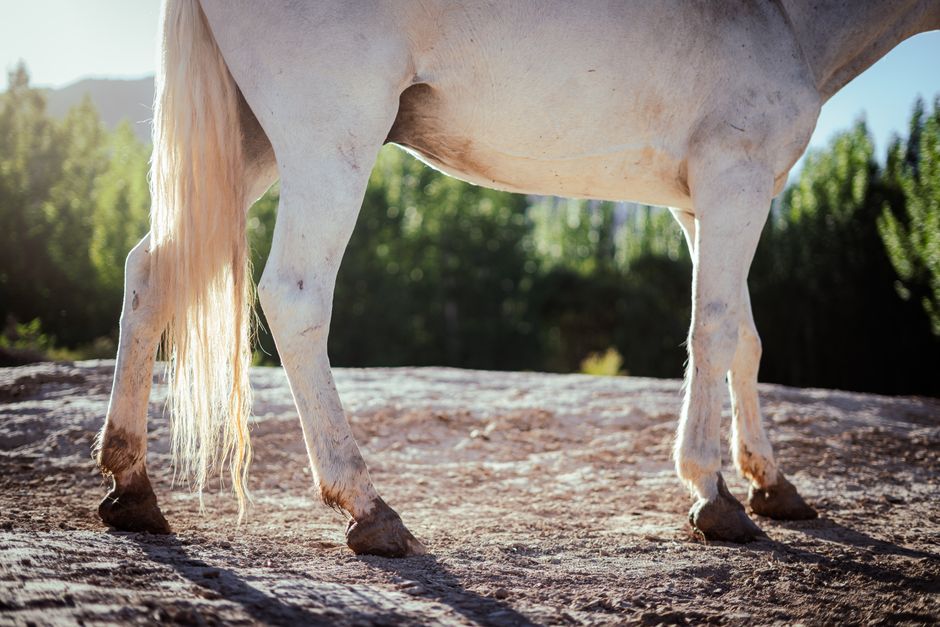
This natural expansion and contraction is crucial for hoof flexibility. When a horse's foot hits the ground, the hoof wall spreads slightly outward, the sole flattens, and the frog compresses against the ground. This movement stimulates blood flow, nourishes the internal structures, and maintains the elasticity of the hoof capsule. Without regular stimulation of this mechanism, the hoof gradually loses its flexibility and becomes more prone to problems.
The digital cushion, located above the frog, plays a particularly important role in hoof flexibility. This structure acts as a shock absorber and helps distribute weight evenly throughout the hoof. Regular exercise and proper movement patterns help maintain the health and function of this critical component.
Ground-Based Flexibility Exercises
Ground-based exercises form the foundation of any hoof flexibility program. These exercises can be performed daily and require minimal equipment while providing maximum benefit for hoof health. Walking remains the most fundamental exercise for maintaining hoof flexibility, but the key is varying the surfaces and patterns to challenge different aspects of hoof function.
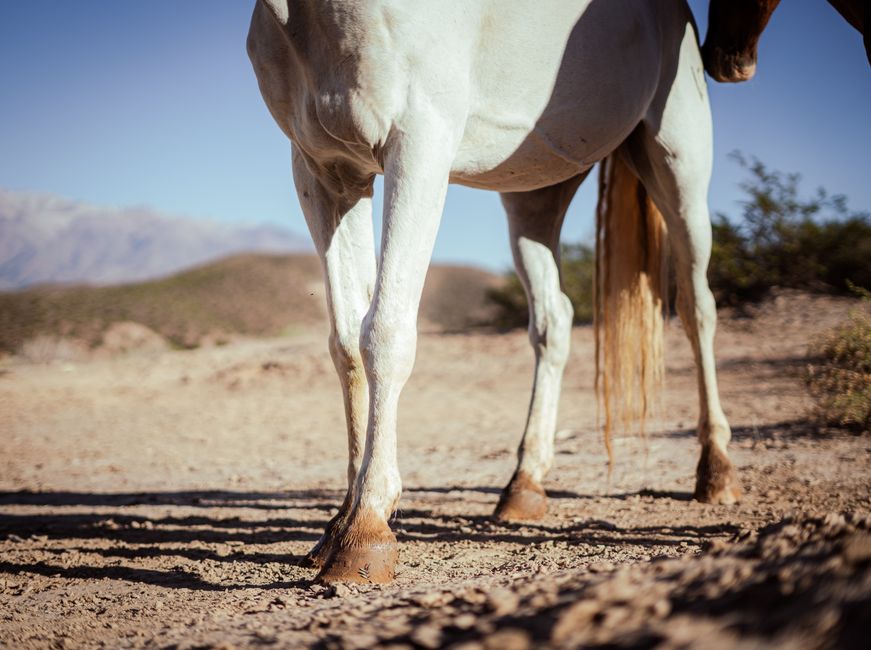
Varied Surface Walking involves leading your horse over different textures and firmness levels. Start with firm, level ground, then progress to sand, gravel, grass, and even carefully selected rocky areas. Each surface type stimulates the hoof differently, promoting natural expansion and contraction patterns. Spend 10-15 minutes daily walking on varied surfaces, ensuring your horse maintains a steady, relaxed pace.
Figure-Eight Patterns on level ground encourage lateral flexibility and help maintain the natural balance of the hoof. Create large figure-eight patterns, gradually decreasing the size as your horse becomes more comfortable with the movement. This exercise promotes even weight distribution and helps prevent uneven wear patterns that can compromise hoof flexibility.
Hill Work is invaluable for developing hoof strength and flexibility. Walking up and down gentle inclines forces the hoof to adapt to changing angles and weight distributions. The uphill portion strengthens the toe and front wall, while downhill work engages the heel and back portion of the hoof. Always maintain control and use appropriate footing to prevent slipping. To ensure overall hoof wellness, consider reviewing Rebuilding Horse Hoof Strength Naturally.
Targeted Stretching and Manipulation Techniques
While horses cannot perform stretches in the same way humans do, there are specific techniques that can help maintain and improve hoof flexibility. These methods should be performed by experienced handlers and always with the horse's safety and comfort as the primary consideration.

Controlled Hoof Picking goes beyond basic cleaning to include gentle manipulation that encourages flexibility. When picking the hoof, apply gentle pressure to different areas of the sole and frog, allowing the natural give and spring of healthy tissue. This technique helps maintain sensitivity and flexibility in these crucial structures. Pay particular attention to the area around the frog, as this is where much of the hoof's shock-absorbing capacity originates.
Hoof Wall Flexion involves gentle pressure applied to the sides of the hoof wall while the foot is lifted. With the horse's leg properly supported, apply light pressure to encourage the natural lateral flexibility of the hoof capsule. This should never be forced and should feel like a gentle give rather than rigid resistance. If the hoof feels particularly stiff or unresponsive, consider consulting with a professional farrier or veterinarian.
Regular application of quality natural hoof conditioners can significantly support these manipulation techniques by maintaining optimal moisture levels in the hoof wall and surrounding structures. Properly conditioned hooves are more responsive to flexibility exercises and less likely to crack or chip during manipulation. For more information on maintaining hoof moisture, refer to our Complete Guide to Optimal Hoof Health.
Advanced Movement Patterns for Improved Flexibility
As your horse develops better hoof flexibility through basic exercises, more advanced movement patterns can be introduced to further enhance function and performance. These exercises should only be attempted with horses that have demonstrated good foundational flexibility and are comfortable with basic movements.

Lateral Movement Exercises challenge the hoof's ability to adapt to sideways forces and promote even development of all hoof structures. Side-stepping exercises, where the horse moves laterally while maintaining forward momentum, encourage the natural expansion and contraction of the hoof while also engaging different muscle groups that support hoof function.
Backing Exercises provide unique benefits for hoof flexibility by reversing the normal weight distribution patterns. When backing, horses must adjust their hoof placement and weight distribution differently than in forward movement. This challenges the hoof's adaptability and helps maintain flexibility in all directions. Practice backing in straight lines and gentle curves, always ensuring the horse remains balanced and comfortable.
Transition Work involves smooth changes between gaits and directions, which require rapid adjustments in hoof function. These exercises promote neurological pathways that support quick adaptation and maintain the dynamic flexibility necessary for athletic performance. The American College of Sports Medicine principles of gradual progression apply equally to equine conditioning programs.
Addressing Common Flexibility Issues
Many horses develop flexibility issues due to various factors including age, previous injuries, inadequate exercise, or underlying health conditions. Recognizing and addressing these issues early is crucial for maintaining long-term hoof health and preventing more serious complications.
Contracted Heels represent one of the most common flexibility problems in domestic horses. This condition often results from inadequate movement, improper shoeing, or chronic imbalances. Specific exercises for contracted heels include extended periods on soft, yielding surfaces that encourage heel expansion, and gentle manipulation techniques that gradually restore normal function.
Thrush and Bacterial Issues can significantly impact hoof flexibility by creating painful areas that horses naturally protect by altering their movement patterns. Addressing these conditions with appropriate treatment products is essential before implementing flexibility exercises, as pain will prevent proper movement and may worsen the condition. Learn more about How Do Farriers Treat Thrush for effective management.
White Line Problems can compromise hoof wall integrity and reduce the natural flexibility of the hoof capsule. Horses with white line issues require careful monitoring during flexibility exercises and may need specialized treatment approaches to restore normal function safely.
Age-related stiffness is natural but manageable through consistent, gentle exercise programs. Older horses may require longer warm-up periods and modified exercise intensities, but they can still maintain good hoof flexibility with appropriate care. Focus on low-impact activities and ensure adequate recovery time between exercise sessions.
Creating a Comprehensive Exercise Program
Developing an effective hoof flexibility program requires careful consideration of your horse's individual needs, current fitness level, and any existing health conditions. A well-structured program should include elements of basic movement, targeted exercises, and progressive challenges that evolve as the horse's flexibility improves.
Daily Routine Components should include basic hoof picking with gentle manipulation, 15-20 minutes of varied surface walking, and specific attention to any problem areas identified by your farrier or veterinarian. Consistency is more important than intensity – regular, moderate exercise produces better results than sporadic intensive sessions.
Weekly Program Structure might include focused hill work twice weekly, lateral movement exercises three times weekly, and one day dedicated to extended walking on varied surfaces. The exercise library principles of progression and variation apply to equine programs as well as human fitness routines.
Monitoring and Adjustment are crucial components of any successful program. Regular assessment by qualified professionals, including farriers and veterinarians, helps ensure that exercises are producing positive results and not inadvertently causing harm. Keep detailed records of your horse's response to different exercises and any changes in hoof condition or flexibility.
Environmental factors also play a significant role in program success. Horses kept in constantly dry conditions may need additional moisture support, while those in perpetually wet environments might require extra attention to preventing bacterial and fungal issues that can compromise flexibility.
Professional Support and Long-term Maintenance
While many hoof flexibility exercises can be safely performed by knowledgeable horse owners, professional support remains invaluable for developing and maintaining an effective program. Master farriers bring decades of experience in understanding how different exercises and techniques affect hoof structure and function.
Regular farrier visits should include discussion of flexibility goals and assessment of progress. Professional trimming and balancing work hand-in-hand with exercise programs to maintain optimal hoof function. Your farrier can identify subtle changes in hoof condition that might require program modifications or additional interventions.
Veterinary consultation becomes essential when dealing with existing hoof problems or when horses show signs of discomfort during exercise programs. Conditions like laminitis require specialized care and modified exercise protocols to prevent further damage while still maintaining necessary movement for healing.
Long-term success requires commitment to consistent care and recognition that hoof flexibility is an ongoing maintenance requirement rather than a one-time achievement. Horses that maintain good flexibility throughout their lives demonstrate better performance, fewer injuries, and enhanced overall well-being compared to those with rigid, inflexible hooves.
The investment in hoof flexibility exercises pays dividends in reduced veterinary costs, improved performance, and enhanced quality of life for horses. Combined with proper nutrition, regular professional care, and appropriate therapeutic products when needed, flexibility exercises form a cornerstone of comprehensive equine hoof care.
Horse hoof flexibility exercises represent a proactive approach to equine health that addresses the root causes of many common hoof problems. By understanding the mechanics of hoof function and implementing appropriate exercise programs, horse owners can significantly improve their animals' comfort, performance, and long-term soundness. The key lies in consistency, proper technique, and professional guidance to ensure that exercises provide maximum benefit while maintaining safety for both horse and handler.