

Equine Mud Fever Hoof Treatment: Complete Guide to Prevention and Care
Mud fever, also known as pastern dermatitis or scratches, is one of the most common and frustrating conditions affecting horses during wet seasons. This bacterial skin infection primarily targets the lower limbs and can severely impact your horse's comfort, performance, and overall well-being. Understanding how to effectively treat and prevent mud fever is essential for maintaining your horse's health and ensuring they remain sound throughout challenging weather conditions.
Understanding Mud Fever: Causes and Risk Factors
Mud fever develops when bacteria, particularly Dermatophilus congolensis, penetrate damaged or softened skin on the horse's lower legs. The condition thrives in wet, muddy conditions where the skin becomes compromised and vulnerable to bacterial invasion. Horses standing in persistently damp environments face the highest risk, especially during autumn and winter months when turnout areas become waterlogged.

Several factors increase susceptibility to mud fever:
- Prolonged exposure to moisture: Horses kept in muddy paddocks or those with limited access to dry areas
- Poor hygiene: Inadequate cleaning of legs and hooves after exposure to wet conditions
- Compromised skin integrity: Previous injuries, cuts, or abrasions that provide entry points for bacteria
- Individual susceptibility: Some horses have naturally more sensitive skin or compromised immune systems
- Feathered legs: Heavy-feathered breeds retain more moisture and debris, creating ideal conditions for bacterial growth
The condition typically manifests as crusty scabs, hair loss, swelling, and painful lesions around the pastern and heel areas. In severe cases, the infection can spread upward along the leg, causing significant lameness and requiring intensive veterinary intervention.
Comprehensive Treatment Approaches for Mud Fever
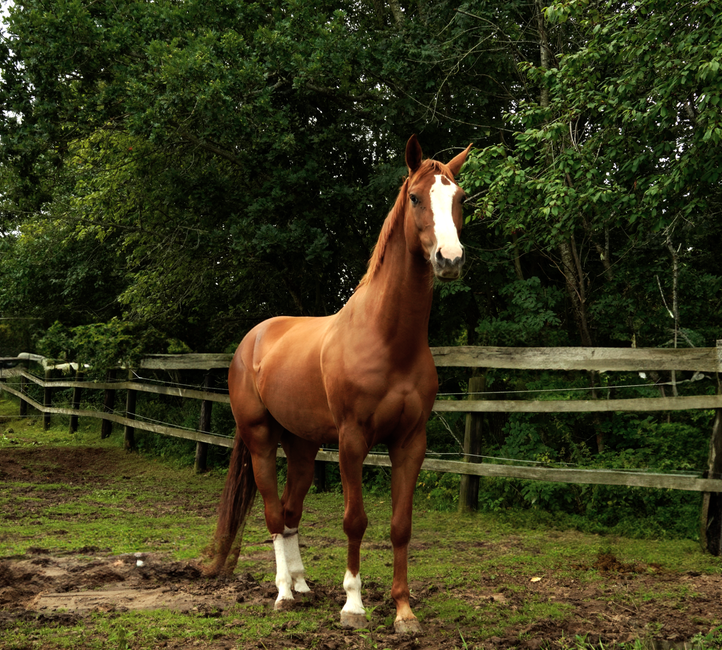
Effective mud fever treatment requires a multi-faceted approach addressing both the bacterial infection and the underlying environmental factors contributing to the condition. The treatment protocol should begin with thorough assessment and cleaning of the affected areas.
Initial treatment steps include:
- Gentle cleansing: Remove mud, debris, and loose scabs using warm water and antimicrobial soap
- Careful drying: Thoroughly dry the cleaned areas to prevent further moisture retention
- Topical treatments: Apply appropriate antimicrobial and healing agents to affected skin
- Environmental management: Move the horse to dry, clean conditions whenever possible
When dealing with severe cases or concurrent hoof issues, specialized products like Outlaw Hoof Canker Care can provide targeted treatment for complex infections affecting both the skin and hoof structures. This professional-grade solution addresses multiple bacterial and fungal pathogens that often complicate mud fever cases.
For horses with compromised hoof health due to prolonged mud exposure, maintaining proper hoof conditioning becomes crucial. Products such as Outlaw Nourish Natural Hoof Conditioner help restore moisture balance and strengthen hoof walls that may have become weakened by constant wet conditions.
Natural and Therapeutic Treatment Options
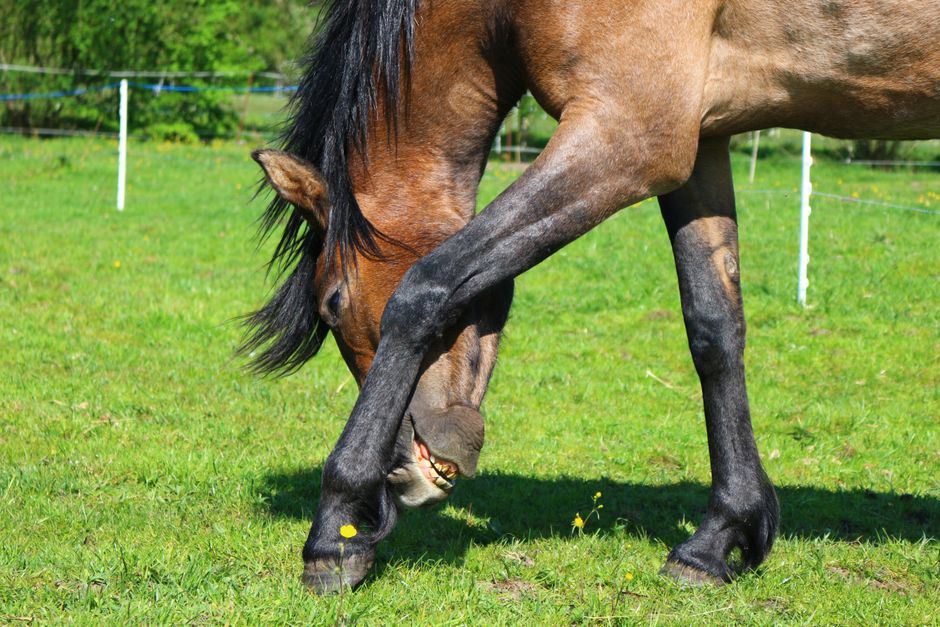
Modern equine care increasingly emphasizes natural treatment approaches that work in harmony with the horse's immune system while effectively combating bacterial infections. Natural treatments offer several advantages, including reduced risk of antibiotic resistance and gentler action on sensitive skin.
Effective natural treatment components include:
- Tea tree oil: Provides powerful antimicrobial properties while promoting healing
- Zinc oxide: Creates a protective barrier and supports tissue repair
- Calendula extracts: Reduces inflammation and accelerates wound healing
- Copper sulfate solutions: Offers strong antibacterial action against resistant organisms
Professional-grade formulations combine these natural ingredients with advanced delivery systems to ensure maximum effectiveness. The key is selecting products that have been specifically formulated for equine use and tested under real-world conditions by experienced practitioners.
Prevention Strategies and Environmental Management
Prevention remains the most effective approach to managing mud fever, requiring careful attention to environmental conditions and daily care routines. Implementing comprehensive prevention strategies can significantly reduce the incidence and severity of mud fever outbreaks.

Environmental modifications include:
- Improving drainage in turnout areas and around water sources
- Providing elevated, dry standing areas in paddocks
- Installing proper footing materials in high-traffic zones
- Ensuring adequate shelter availability during wet weather
Daily care routines should incorporate:
- Regular inspection of legs and hooves for early signs of irritation
- Prompt cleaning and drying of legs after exposure to mud
- Application of protective barriers before turnout in wet conditions
- Maintaining proper nutrition to support immune function and skin health
For horses prone to recurring mud fever episodes, establishing a proactive treatment schedule using appropriate therapeutic products can prevent minor irritations from developing into serious infections. Regular application of conditioning treatments helps maintain skin integrity and creates an environment less favorable to bacterial growth.
Integrating Hoof Care with Mud Fever Management
Mud fever often occurs alongside other hoof-related conditions, creating complex treatment challenges that require integrated care approaches. Thrush, white line disease, and other bacterial infections frequently develop simultaneously with mud fever, particularly in horses exposed to persistently wet conditions.
Comprehensive hoof care during mud fever treatment should address:
- Concurrent bacterial infections: Many horses with mud fever also develop thrush or other hoof infections requiring specific treatment
- Structural integrity: Prolonged moisture exposure can weaken hoof walls and compromise overall hoof health
- Movement and exercise: Pain from mud fever may alter the horse's gait, potentially affecting hoof wear patterns
For horses showing signs of multiple conditions, targeted products like Thrush Treatment for Horses can address concurrent infections while supporting overall hoof health. These specialized formulations are designed to penetrate deep into affected tissues and provide sustained antimicrobial action.
Physical activity and regular exercise play crucial roles in maintaining overall equine health and supporting recovery from conditions like mud fever. According to health experts, consistent movement promotes circulation and immune function, which are essential for healing infected tissues.
Professional Treatment Protocols and When to Seek Veterinary Care
While many cases of mud fever can be successfully managed through careful home treatment, certain situations require immediate professional veterinary intervention. Understanding when to escalate care ensures the best possible outcomes and prevents minor issues from becoming serious health threats.
Veterinary consultation is essential when:
- Swelling extends above the pastern or involves multiple limbs
- The horse shows signs of systemic illness, including fever or depression
- Lameness is severe or worsening despite treatment
- Lesions fail to respond to initial treatment within 5-7 days
- Secondary complications develop, such as cellulitis or lymphangitis
Professional treatment protocols often involve combination therapy using both topical and systemic medications. In severe cases, veterinarians may prescribe antibiotic therapy, anti-inflammatory medications, and specialized wound care products to address complex infections and promote healing.
Farriers and equine professionals play crucial roles in mud fever management, particularly in cases where hoof health has been compromised. Their expertise in assessing and treating concurrent conditions ensures comprehensive care that addresses all aspects of the horse's condition.
Working with experienced practitioners who understand the interconnected nature of skin and hoof health provides the best foundation for successful treatment. Products developed by master farriers, such as those offered through professional thrush treatment collections, bring decades of practical experience to modern treatment protocols.
Successful mud fever management requires patience, consistency, and attention to detail. Most horses respond well to appropriate treatment when environmental factors are addressed and proper care protocols are followed. The key is early recognition, prompt treatment, and maintaining vigilant prevention strategies to minimize future occurrences.
By combining natural treatment approaches with professional expertise and proper environmental management, horse owners can effectively manage mud fever and maintain their horses' health and comfort throughout challenging seasonal conditions. Regular monitoring, proactive care, and access to high-quality treatment products form the foundation of successful equine health management in all weather conditions.