

Equine Hoof Health Tips for Owners
Maintaining optimal hoof health is one of the most critical responsibilities of horse ownership. The old saying "no hoof, no horse" remains as relevant today as it was centuries ago. A horse's hooves bear the entire weight of the animal and endure constant stress from movement, environmental conditions, and daily activities. Understanding proper hoof care principles can prevent costly veterinary bills and ensure your horse remains sound and comfortable throughout their life.
Understanding Basic Hoof Anatomy and Function
Before diving into care practices, it's essential to understand the complex structure of the equine hoof. The hoof consists of both external and internal components working together to provide support, shock absorption, and blood circulation. The hoof wall, sole, frog, and white line each serve specific functions in maintaining structural integrity and health.

The hoof wall acts as the primary protective barrier, while the frog serves as a natural shock absorber and circulation pump. The sole provides ground contact and protection for internal structures, and the white line connects the hoof wall to the sole. Understanding these components helps owners recognize when something appears abnormal and requires professional attention.
Environmental factors significantly impact hoof health. Wet conditions can soften hooves excessively, making them susceptible to bacterial and fungal infections, while extremely dry conditions can cause cracking and brittleness. Climate changes throughout the year require adjustments to care routines to maintain optimal hoof condition.
Daily Hoof Care Routines and Best Practices
Establishing a consistent daily hoof care routine forms the foundation of preventive maintenance. Daily hoof picking removes debris, allows for visual inspection, and provides opportunities to identify potential problems before they become serious conditions. Every horse should have their hooves picked and inspected at least once daily, regardless of whether they're working or resting.
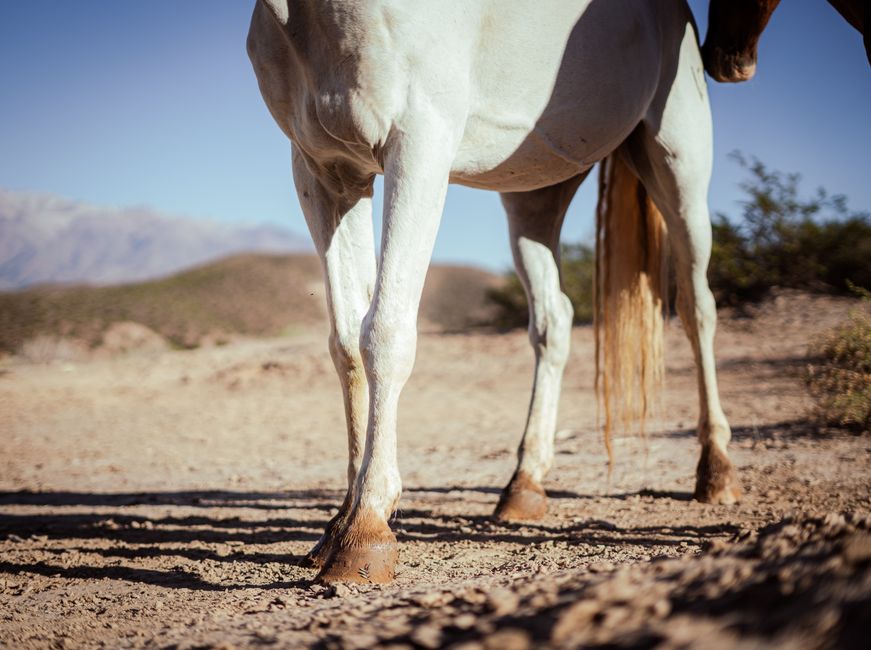
When picking hooves, work systematically from heel to toe, cleaning around the frog and checking for foreign objects, cuts, or unusual odors. Pay particular attention to the central sulcus area where thrush commonly develops. This bacterial infection can cause serious lameness if left untreated and often begins as a subtle black discharge with a characteristic foul smell.
Regular application of quality hoof products helps maintain proper moisture balance and nutrition. Natural hoof conditioners should be applied according to environmental conditions and individual horse needs. During dry periods, moisture-retaining products help prevent cracking and brittleness, while antimicrobial treatments may be necessary during wet seasons to prevent bacterial overgrowth.
Proper cleaning technique involves more than just removing visible debris. Use appropriate tools including a quality hoof pick with a brush attachment, and consider keeping separate tools for each horse to prevent cross-contamination of infectious agents between animals.
Recognizing and Preventing Common Hoof Problems
Early recognition of hoof problems can mean the difference between a minor treatment and a serious, long-term condition. Thrush, white line disease, and abscesses are among the most common issues affecting horse hooves, but each presents with distinct symptoms that observant owners can identify.

Thrush typically begins in the central and lateral sulci of the frog, presenting as black, foul-smelling discharge. Left untreated, it can progress to involve deeper structures and cause significant lameness. Environmental management, including proper drainage and regular cleaning, helps prevent thrush development. When treatment becomes necessary, targeted antimicrobial products designed specifically for equine use provide the most effective results.
White line disease appears as separation along the white line, often beginning at the toe and potentially progressing around the entire hoof. This condition can result from mechanical stress, poor nutrition, or environmental factors. Specialized treatments can help address white line issues when combined with proper trimming and environmental management.
Canker represents a more serious proliferative condition affecting the frog and sole tissues. This condition requires immediate professional attention and aggressive treatment protocols. Professional-grade treatment products developed by experienced farriers can provide effective management when used according to veterinary guidance.
Prevention remains more effective and economical than treatment for most hoof conditions. Consistent care routines, proper environmental management, and regular professional maintenance create the best foundation for long-term hoof health.
Professional Farrier Care and Scheduling
Regular farrier visits form the cornerstone of comprehensive hoof care programs. Most horses require professional trimming every six to eight weeks, though individual needs vary based on growth rate, work level, and environmental conditions. Establishing a consistent schedule with a qualified farrier ensures optimal hoof balance and prevents overgrowth-related problems.
Communication with your farrier about observed changes or concerns helps maintain continuity of care. Document any lameness episodes, environmental changes, or unusual observations between visits to provide comprehensive information during appointments. Professional farriers bring decades of experience and can identify subtle changes that may escape notice during routine daily care.
The relationship between owner and farrier should be collaborative, with clear communication about the horse's work schedule, any performance issues, and long-term goals. Quality farriers appreciate owners who maintain consistent daily care routines and provide detailed information about their observations between visits.
Understanding basic farrier terminology and procedures helps owners make informed decisions about their horse's care. Discuss trimming angles, shoe options if applicable, and any corrective measures that might benefit your particular horse's conformation or movement patterns.
Nutrition and Environmental Factors
Proper nutrition directly impacts hoof quality and growth. Adequate protein, essential fatty acids, vitamins, and minerals support healthy hoof growth and structural integrity. Biotin, zinc, copper, and methionine play particularly important roles in hoof health, though balanced nutrition should come primarily from quality forage and feed rather than excessive supplementation.
Environmental management significantly influences hoof health outcomes. Proper drainage in paddocks and stalls prevents prolonged exposure to moisture that can weaken hoof structures and promote bacterial growth. Conversely, providing access to moisture during extremely dry conditions helps maintain proper hoof flexibility and prevents excessive hardness that can lead to cracking.
Footing quality affects both immediate comfort and long-term soundness. Rocky or extremely hard surfaces can cause bruising and concussion-related problems, while consistently soft footing may not provide adequate stimulation for proper hoof development. Comfort pads can provide additional cushioning for horses dealing with sensitive or compromised hooves.
According to the American Association of Equine Practitioners, environmental factors contribute significantly to the development of many hoof conditions, making management practices as important as direct hoof care in maintaining soundness.
Advanced Care for Special Conditions
Certain horses may require specialized care protocols due to metabolic conditions, conformational issues, or previous injuries. Horses with insulin resistance, Cushing's disease, or history of laminitis need particularly careful monitoring and may benefit from modified care routines designed to support compromised circulation and healing processes.
Laminitis remains one of the most serious conditions affecting horse hooves, requiring immediate veterinary attention and long-term management strategies. Understanding early warning signs, including increased digital pulse, reluctance to move, or characteristic stance changes, enables prompt intervention that can significantly impact outcomes.
Senior horses often develop age-related changes in hoof quality and growth patterns. Adjusting care routines to accommodate slower healing, potential circulation issues, and changing nutritional needs helps maintain comfort and mobility in older animals.
Working with veterinary professionals becomes essential when dealing with complex or recurring hoof problems. The American Veterinary Medical Association emphasizes the importance of professional diagnosis and treatment planning for serious hoof conditions that extend beyond routine maintenance.
Documentation of treatments, responses, and ongoing observations helps professional caregivers develop effective long-term management strategies tailored to individual horses and their specific needs.
Seasonal Care Considerations and Climate Adaptation
Seasonal changes require adjustments to hoof care routines throughout the year. Spring typically brings increased moisture and mud, necessitating more frequent cleaning and potential antimicrobial treatments to prevent bacterial overgrowth. Summer heat and dry conditions may require increased moisture retention efforts and protection from hard, rocky ground.
Fall preparation should include assessment of hoof condition before winter weather arrives, ensuring any developing problems are addressed before cold temperatures complicate treatment efforts. Winter care often involves dealing with ice, snow, and frozen ground conditions that can impact both hoof health and safety.
Regional climate variations require localized approaches to hoof care. Horses in consistently humid climates face different challenges than those in arid environments, and care protocols should reflect these environmental realities. Consulting with local equine professionals familiar with regional conditions provides valuable guidance for climate-specific care strategies.
The University of Minnesota Extension provides research-based information about adapting livestock care practices to local environmental conditions, including considerations for seasonal hoof care management.
Conclusion
Effective hoof care combines consistent daily maintenance, professional farrier services, proper nutrition, and environmental management to create a comprehensive approach to equine soundness. Success requires commitment to regular routines, attention to detail, and willingness to seek professional help when needed. By implementing these fundamental principles and remaining observant of changes in hoof condition, horse owners can significantly impact their animals' comfort, performance, and long-term soundness.
Remember that every horse is unique, and care protocols should be tailored to individual needs, environmental conditions, and professional recommendations. Building relationships with qualified farriers and veterinarians provides essential support for maintaining optimal hoof health throughout your horse's life. The investment in proper hoof care pays dividends in reduced veterinary costs, improved performance, and enhanced quality of life for your equine partner.