

Equine Hoof Care Products: a Complete Guide to Natural Hoof Health
The foundation of every horse's health begins at ground level—with their hooves. As the old saying goes, "no hoof, no horse," and this wisdom has guided equine care for centuries. In 2026, horse owners and equine professionals have access to more advanced, natural equine hoof care products than ever before, making it easier to maintain optimal hoof health and address common problems before they become serious issues.
Understanding which products to use, when to use them, and how they work can mean the difference between a sound, comfortable horse and one plagued by persistent hoof problems. This comprehensive guide explores the essential equine hoof care products available today and how they support your horse's overall wellbeing.
Understanding the Anatomy and Needs of Horse Hooves
Before selecting hoof care products, it's important to understand what makes hooves healthy. The hoof is a complex structure consisting of the hoof wall, sole, frog, bars, and internal structures including the coffin bone, digital cushion, and sensitive laminae. Each component requires proper moisture balance, nutrition, and protection from environmental challenges.

Hooves need to maintain flexibility while providing rigid support. They require adequate blood flow, which is promoted through regular movement and proper hoof mechanics. The moisture content must be carefully balanced—too dry and hooves become brittle and crack; too wet and they become susceptible to bacterial and fungal infections. Quality hoof care products address these varying needs through targeted formulations.
Environmental factors significantly impact hoof health. Horses standing in wet, muddy conditions face different challenges than those in arid climates. Seasonal changes, bedding materials, footing surfaces, and workload all influence what type of hoof care your horse requires. This is where having a comprehensive selection of specialized products becomes invaluable.
Essential Products for Daily Hoof Maintenance
Daily hoof care forms the cornerstone of preventive equine health management. Regular cleaning with a hoof pick removes debris, allows inspection for problems, and prevents the buildup of material that can harbor bacteria. However, cleaning alone isn't sufficient for optimal hoof health.
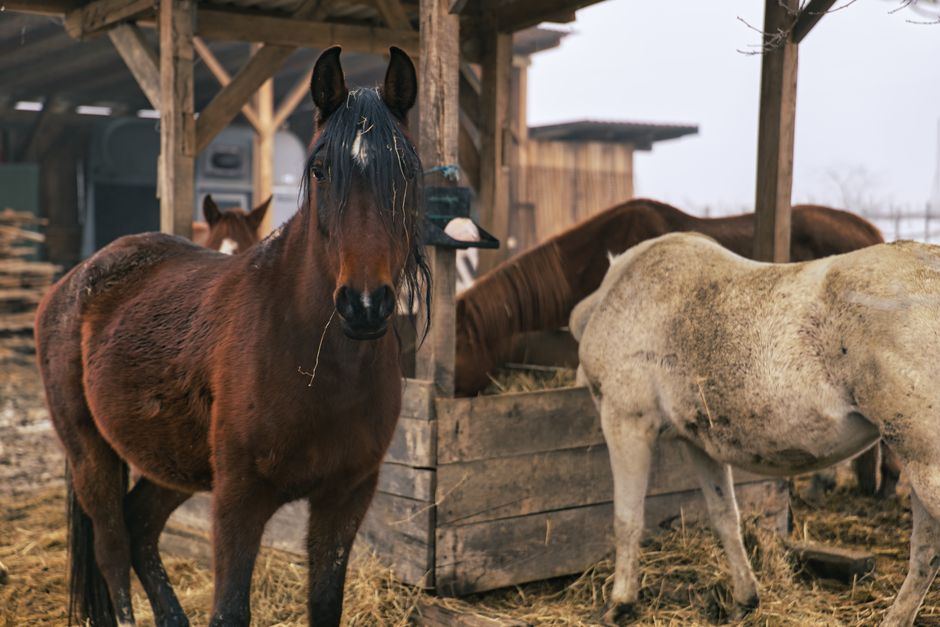
Hoof conditioners and oils serve a vital role in maintaining proper moisture balance. A quality natural hoof conditioner penetrates the hoof wall to provide deep nourishment, helping prevent cracks and chips while promoting flexibility. These products should contain natural ingredients that work with the hoof's biology rather than creating an impermeable barrier that traps moisture or prevents natural breathing of the hoof structure.
The best daily maintenance products incorporate ingredients that have stood the test of time. Natural oils, botanicals with antimicrobial properties, and nutrients that support hoof growth create an environment where hooves can thrive. Unlike some synthetic alternatives, natural formulations tend to work harmoniously with the hoof's own protective mechanisms.
Treating Common Hoof Infections: Thrush and Canker
Thrush is perhaps the most common hoof infection horse owners encounter. This bacterial and fungal infection affects the frog and central sulcus, creating a characteristic foul odor and black, necrotic tissue. Left untreated, thrush can invade sensitive tissue and cause lameness. Effective thrush treatment products must penetrate deep into affected tissue, eliminate the causative organisms, and create an environment that prevents reinfection.

Modern thrush treatments have evolved beyond harsh chemical solutions that damage healthy tissue along with infected areas. Natural formulations with powerful antimicrobial properties can effectively combat thrush while supporting tissue regeneration. The key is consistent application combined with improved environmental management and regular hoof care.
Canker represents a more serious condition characterized by proliferative tissue growth in the hoof, most commonly affecting the frog and sole. This chronic infection requires aggressive treatment with specialized products. Advanced canker care formulations address the unique challenges of this condition, helping to control abnormal tissue growth while promoting healing of underlying structures.
Both conditions require diligence and patience. Treatment success depends not only on product quality but also on addressing environmental factors, improving drainage, ensuring regular farrier care, and maintaining consistent treatment protocols until complete resolution occurs.
Addressing White Line Disease and Hoof Separation
White line disease poses a significant threat to hoof integrity. This condition involves the separation of the hoof wall from the underlying structures, creating cavities where bacteria and fungi colonize. The white line—the junction between the sole and hoof wall—becomes compromised, and if left unchecked, the infection can progress deep into the hoof, causing serious lameness and structural damage.
Treatment requires products that can penetrate the separated areas, eliminate infection, and create conditions conducive to reconnection of the hoof wall. The affected areas must be debrided by a farrier to remove all diseased tissue, then treated with specialized formulations designed to reach deep pockets and prevent reinfection while new, healthy hoof wall grows down from the coronary band.
Prevention involves maintaining optimal hoof moisture balance, ensuring proper farrier care to prevent mechanical stress on the white line, and using quality equine hoof care products that strengthen the connection between hoof structures. Regular inspection allows early detection when treatment is most effective and extensive damage can be avoided.
Managing Laminitis and Founder Discomfort
Laminitis remains one of the most serious and painful conditions affecting horses. This inflammation of the laminae—the tissues connecting the hoof wall to the coffin bone—can progress to founder, where the coffin bone rotates or sinks within the hoof capsule. While laminitis requires immediate veterinary attention, supportive care products play an important role in managing discomfort and supporting recovery.
Comfort pads and therapeutic products designed for laminitic horses help distribute weight more evenly, reduce concussion, and provide relief during the critical acute phase and throughout recovery. These specialized support products work alongside veterinary protocols to improve the horse's comfort and potentially improve outcomes.
Long-term management of horses who have experienced laminitis requires ongoing attention to hoof care, including products that support healthy laminar connections, promote proper hoof growth, and maintain optimal hoof mechanics. The goal is preventing future episodes while managing any structural changes resulting from the initial event.
Choosing Quality Products: What to Look For
Not all hoof care products are created equal. When selecting products for your horse, consider several important factors. First, examine the ingredient list. Natural, high-quality ingredients typically outperform synthetic alternatives for long-term hoof health. Products backed by experienced equine professionals who understand hoof biology offer advantages over generic formulations.
Effectiveness matters more than marketing claims. Products that have proven themselves over years of real-world use by farriers, veterinarians, and horse owners provide greater confidence than untested newcomers. Consider products developed by professionals with extensive hands-on experience—master farriers with decades of experience understand what works and what doesn't.
Application ease and product stability also matter. Products that remain effective under varying storage conditions, apply easily even in less-than-ideal circumstances, and penetrate effectively provide better value. Consider the concentration of active ingredients—highly concentrated products may cost more initially but provide better value per application.
Safety is paramount. Products should be safe for both horses and handlers, non-toxic, and free from harsh chemicals that could cause adverse reactions or damage healthy tissue. Natural formulations typically offer superior safety profiles while remaining highly effective against the organisms that cause hoof problems.
Integrating Products into a Comprehensive Hoof Care Program
Products alone cannot ensure optimal hoof health—they must be part of a comprehensive care program. This begins with regular farrier care, typically every six to eight weeks, to maintain proper hoof balance and mechanics. Daily hoof picking and inspection allow early problem detection and consistent product application when needed.
Environmental management plays a crucial role. Providing dry standing areas, managing manure and urine buildup, and ensuring proper drainage prevent many common hoof problems. Even the best products cannot overcome consistently poor environmental conditions. Similarly, proper nutrition supports hoof health from the inside, providing the building blocks for strong, healthy hoof growth.
Exercise and movement promote circulation within the hoof, supporting healing and maintaining healthy tissue. The hoof mechanism—the natural expansion and contraction that occurs with each step—pumps blood through the hoof structures, delivering nutrients and removing waste products. Regular turnout and appropriate exercise complement topical hoof care products.
Understanding when to use specific products requires education and observation. Preventive maintenance products differ from those designed to treat active infections. Knowing your horse's individual needs, environmental challenges, and health history helps you select the right products at the right times.
Explore related products and collections: Outlaw Hoof Canker Care for horses, Equine Canker, Proliferative pododermatitis in horses, White Line, Severe Thrush, Outlaw Laminitis Founder Hoof Comfort Pad for Horses, Outlaw Nourish Natural Hoof Conditioner For Horse Hoof Oil For Horses Dry Cracked Hoofs.
Conclusion
Equine hoof care products have evolved significantly, offering horse owners and professionals effective, natural solutions for maintaining hoof health and addressing common problems. From daily maintenance conditioners to specialized treatments for serious conditions like canker and laminitis, today's products leverage both traditional wisdom and modern understanding of hoof biology.
Success in hoof care requires selecting quality products formulated by experienced professionals who understand equine hoof health. Natural ingredients that work with the hoof's biology typically provide superior long-term results compared to harsh chemical alternatives. However, products represent just one component of comprehensive hoof care that includes regular farrier attention, environmental management, proper nutrition, and consistent daily care.
By understanding the specific needs of your horse's hooves, selecting appropriate high-quality products, and integrating them into a complete care program, you can help ensure your horse maintains healthy, sound hooves for years to come. Remember that prevention is always easier than cure, and investing in quality equine hoof care products today can prevent costly and painful problems in the future.