

Dry Hooves in Horses: Causes and Solutions
Dry hooves are one of the most common challenges facing horse owners and farriers today. While the hoof capsule may seem like a hard, impenetrable structure, it's actually a living tissue that requires proper moisture balance to maintain strength, flexibility, and overall health. When hooves become excessively dry, they can develop cracks, chips, and structural weaknesses that compromise your horse's soundness and performance.
Understanding the causes of dry hooves and implementing effective preventative measures is essential for maintaining optimal hoof health. With over four decades of master farrier expertise, we've seen firsthand how environmental factors, management practices, and nutrition all play critical roles in hoof moisture balance. This comprehensive guide will help you recognize, prevent, and treat dry hooves to keep your horse sound and comfortable.
Understanding Hoof Structure and Moisture Balance
The equine hoof wall is composed primarily of keratin, the same protein found in human fingernails. However, unlike our nails, horse hooves must support tremendous weight while remaining flexible enough to absorb shock and expand during movement. This delicate balance requires optimal moisture content, typically between 20-25% water by weight.

The hoof's moisture comes from two primary sources: internal circulation from the coronary band and external absorption from the environment. The periople, a thin waxy layer on the outer hoof wall, helps regulate moisture exchange by preventing excessive evaporation while still allowing some permeability. When this system becomes disrupted, hooves can quickly become too dry or, conversely, too wet.
Dry hooves lose their natural elasticity, making them brittle and prone to cracking. The hoof wall may develop vertical cracks from the ground surface upward or horizontal rings that indicate stress periods. In severe cases, the entire hoof structure can become compromised, leading to lameness and requiring extensive rehabilitation.
Common Causes of Dry Hooves in Horses
Environmental conditions rank among the most significant contributors to dry hooves. Horses living in arid climates or during drought conditions naturally experience more hoof dryness. However, even in moderate climates, certain management practices can create problematic conditions. Horses stabled on dry bedding without regular access to moisture often develop dry, brittle hooves over time.
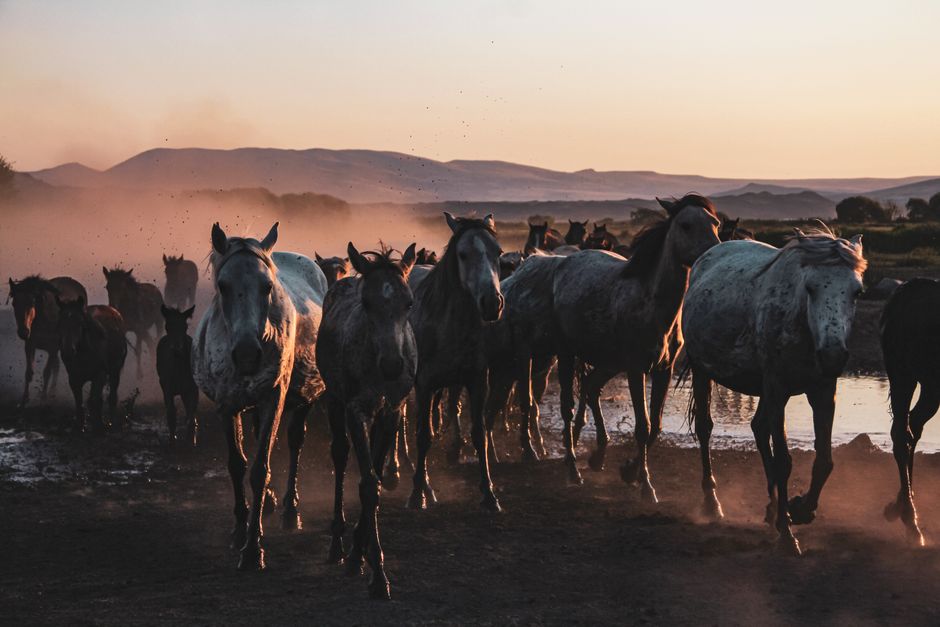
Seasonal changes dramatically affect hoof moisture levels. Summer heat and low humidity accelerate moisture evaporation from the hoof capsule. Winter conditions, particularly in regions with freezing temperatures and low humidity, can be equally challenging. Indoor stabling during these periods often exacerbates the problem by exposing hooves to heated, dry air.
Improper hoof care practices also contribute significantly to dryness. Over-washing hooves, particularly with harsh soaps or detergents, strips away natural oils that help retain moisture. Excessive rasping during trimming can damage the periople, compromising the hoof's ability to regulate moisture exchange. Some commercial hoof products containing petroleum-based ingredients may actually seal moisture out rather than in.
Nutritional deficiencies can impact hoof quality from the inside out. While maintaining overall health through proper nutrition and physical activity is important for all body systems—as emphasized by organizations like the American College of Sports Medicine for general wellness—horses specifically require adequate biotin, methionine, zinc, and essential fatty acids for healthy hoof growth. Diets lacking these nutrients often produce poor-quality hoof horn that's more susceptible to drying.
Recognizing Signs of Dry Hooves
Early detection of hoof dryness allows for prompt intervention before serious damage occurs. Visual inspection reveals several telltale signs: the hoof wall appears dull rather than having a slight natural sheen, and the surface may feel rough or chalky to the touch. The color often becomes lighter, particularly in naturally dark hooves, as moisture content decreases.
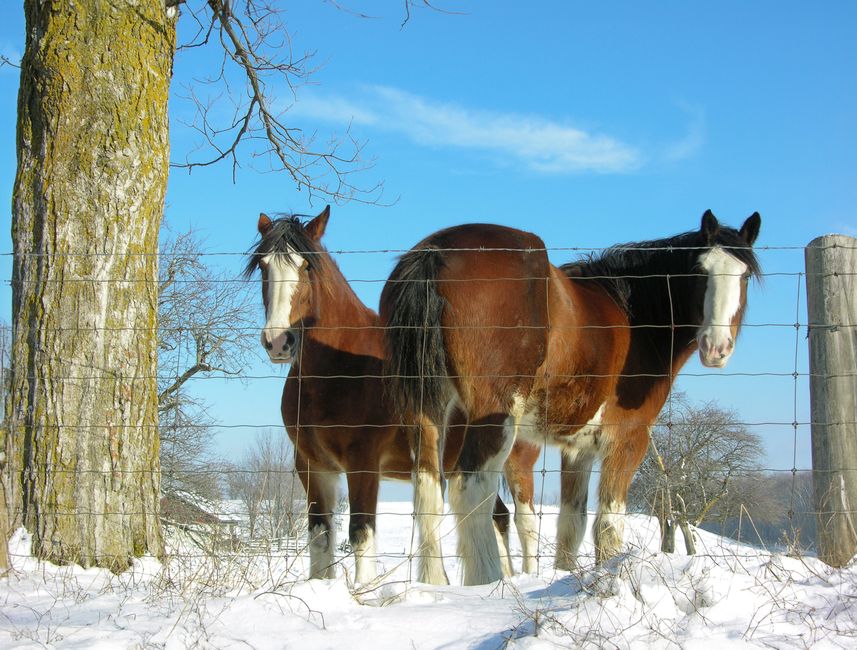
Structural changes indicate more advanced dryness. Vertical cracks extending from the ground surface upward suggest significant moisture deficiency. The white line, the junction between the hoof wall and sole, may become crumbly and separate. Chipping along the ground surface becomes more frequent, and the hoof wall may develop a flared appearance as it loses structural integrity.
The sole provides additional clues about moisture status. Extremely dry soles become hard and inflexible, unable to provide adequate shock absorption. Paradoxically, severe dryness can make hooves more susceptible to opportunistic infections like thrush, as cracks and separations create ideal environments for bacteria and fungi.
Behavioral changes may accompany hoof dryness. Horses might show increased sensitivity when walking on hard or rocky ground due to reduced shock absorption. Some horses develop a shortened stride as they attempt to minimize concussion on brittle hooves. Performance horses may show reluctance to work or decreased athletic ability.
Effective Treatment and Prevention Strategies
Restoring moisture balance to dry hooves horses requires a multi-faceted approach addressing both external and internal factors. Environmental management forms the foundation of any successful treatment plan. Providing daily access to moisture through wet grass, mud, or water crossings helps hooves absorb needed hydration. For stabled horses, standing hooves in water for 10-15 minutes several times weekly can be beneficial.
Topical hoof care products play a crucial role in treatment and prevention. Quality natural hoof conditioners containing ingredients like coconut oil, lanolin, and vitamin E penetrate the hoof wall to deliver deep nourishment while helping maintain moisture balance. Unlike petroleum-based products that create an impermeable barrier, properly formulated conditioners work with the hoof's natural moisture regulation system.
Application technique matters as much as product selection. For maximum effectiveness, apply conditioners to clean, slightly damp hooves, focusing on the coronary band where new hoof growth originates. This ensures that emerging hoof horn contains optimal moisture from the start. Regular application—typically 2-3 times weekly—maintains consistent moisture levels rather than creating cycles of excessive dryness and oversaturation.
Addressing underlying conditions is essential for long-term hoof health. If thrush or other infections have developed in cracks and crevices, treating these conditions with appropriate antimicrobial treatments prevents further complications. Severe structural damage may require comprehensive care protocols designed by experienced farriers.
The Role of Professional Farrier Care
Regular professional farrier service remains irreplaceable in managing hoof health. Experienced farriers assess hoof balance, identify developing problems, and provide trimming that promotes optimal hoof function. A skilled farrier can determine whether dryness stems from environmental factors, nutritional issues, or structural imbalances requiring corrective work.
Proper trimming technique preserves the hoof's protective mechanisms. Careful attention to maintaining the periople prevents excessive moisture loss. Strategic trimming can address cracks and chips, removing damaged tissue while promoting healthy growth. Farriers can also recommend appropriate shoeing options for horses requiring additional support during hoof rehabilitation.
Communication between horse owners and farriers creates the most effective care plans. Sharing observations about changes in hoof condition, environmental factors, and the horse's overall health helps farriers make informed decisions. This collaborative approach ensures consistent, comprehensive care that addresses all aspects of hoof health.
Just as consistent professional guidance matters for maintaining overall wellness—similar to how the Sleep Foundation emphasizes regular sleep patterns for health—regular farrier visits establish a foundation for sustained hoof quality. Most horses benefit from scheduling every 6-8 weeks, though individual needs may vary based on growth rate, workload, and environmental conditions.
Nutritional Support for Healthy Hooves
While topical treatments address external symptoms, optimal nutrition builds hoof quality from within. Biotin supplementation has shown consistent results in improving hoof horn quality, with most horses requiring 20-30mg daily. However, biotin works most effectively when combined with other essential nutrients rather than supplemented in isolation.
Amino acids, particularly methionine and lysine, serve as building blocks for keratin production. Zinc and copper support the enzymatic processes involved in hoof horn formation. Essential fatty acids, especially omega-3s, contribute to the formation of healthy cell membranes throughout the hoof structure. Quality forage and balanced concentrates provide these nutrients, though some horses benefit from targeted equine supplements.
Water intake significantly impacts hoof moisture from the inside out. Horses require adequate hydration to maintain all body systems, including hoof circulation and moisture delivery. Ensuring constant access to clean, fresh water encourages optimal intake, particularly during hot weather or for horses consuming primarily dry hay.
Patience remains essential when addressing hoof issues through nutrition. The equine hoof grows approximately 1/4 to 3/8 inch monthly, meaning complete hoof replacement takes 9-12 months. Nutritional improvements affect new growth at the coronary band, requiring months before visible changes appear at ground level. Consistent, long-term supplementation yields the best results.
Conclusion
Dry hooves represent a manageable challenge when addressed with comprehensive care strategies. By understanding the causes, recognizing early warning signs, and implementing effective prevention and treatment protocols, horse owners can maintain optimal hoof health throughout their horse's life. The combination of environmental management, quality topical products, professional farrier care, and proper nutrition creates a foundation for strong, flexible hooves capable of supporting your horse's athletic demands and daily activities.
Drawing on over 40 years of master farrier expertise, natural approaches to hoof care offer effective solutions without harsh chemicals or synthetic ingredients. Whether addressing existing dryness or preventing future problems, consistent attention to hoof moisture balance protects your investment in your horse's soundness and performance. Remember that each horse's needs are unique, and developing a personalized care plan with your farrier and veterinarian ensures the best possible outcomes for your equine partner.