

Common Horse Hoof Diseases and Treatments
Horse hoof health is fundamental to equine well-being and performance. With over four decades of master farrier expertise, the equine industry has developed sophisticated understanding of hoof diseases and their treatments. Recognizing early signs of hoof problems and implementing appropriate care protocols can prevent minor issues from becoming serious, career-threatening conditions for horses.
The horse's hoof is a complex structure containing sensitive tissues, bones, and supportive elements that work together to bear weight and absorb shock. When disease strikes this intricate system, prompt diagnosis and treatment become crucial for maintaining soundness and preventing long-term complications.
Thrush: The Most Common Hoof Infection
Thrush represents one of the most frequently encountered hoof diseases in horses worldwide. This bacterial infection primarily affects the central sulcus and collateral grooves of the frog, creating a distinctive black, tar-like discharge with an unmistakable foul odor. The condition thrives in wet, unsanitary conditions where anaerobic bacteria can flourish.

Environmental factors play a significant role in thrush development. Horses kept in muddy paddocks, poorly maintained stalls with wet bedding, or areas with inadequate drainage face increased risk. Additionally, horses with contracted heels, deep central sulci, or poor hoof conformation may be more susceptible to bacterial invasion.
Early intervention proves critical for successful thrush treatment. Daily hoof cleaning and inspection allow horse owners to identify the condition before it progresses to deeper tissues. Professional-grade treatments like specialized thrush remedies penetrate infected areas to eliminate bacteria while promoting healthy tissue regeneration. For insights into professional methods, discover How Do Farriers Treat Thrush.
Treatment protocols typically involve thorough cleaning of affected areas, removing all loose and infected tissue, and applying antimicrobial treatments. Environmental management becomes equally important, requiring improved drainage, frequent stall cleaning, and ensuring horses have access to dry areas. Recovery usually occurs within one to three weeks with consistent care.
White Line Disease: A Silent Destroyer
White line disease, also known as seedy toe or hollow foot, creates separation between the hoof wall and the underlying structures. This condition allows bacteria and fungi to invade the space between the outer hoof wall and the white line, gradually destroying the connection and weakening the hoof structure.

The disease often begins as a small cavity or crack that provides entry for opportunistic organisms. Poor hoof balance, mechanical stress, or trauma can initiate the process. Environmental factors such as prolonged exposure to moisture and organic matter contribute to disease progression.
Visual inspection may reveal black streaks in the white line, hollow areas when tapped, or actual cavities in the hoof wall. Advanced cases show significant separation and may cause lameness as the infection spreads toward the coronet band. X-rays can help determine the extent of damage and guide treatment decisions.
Successful treatment requires aggressive debridement of all infected and separated tissue, often performed by a veterinarian or experienced farrier. Specialized white line treatments help eliminate pathogens and support healthy regrowth. The recovery process demands patience, as new hoof wall growth occurs slowly, typically requiring several months for complete healing.
Canker: A Serious Proliferative Condition
Canker represents a chronic, proliferative disease affecting the frog, sole, and sometimes the hoof wall. This condition causes abnormal tissue growth that resembles cauliflower-like masses, creating a characteristic cottage cheese appearance with a distinctive odor. While less common than thrush, canker poses serious challenges due to its aggressive nature and tendency to recur.

The exact cause remains unclear, but the condition appears related to chronic moisture exposure, poor sanitation, and possibly compromised immune function. Draft horses and horses with feathered legs show higher susceptibility, possibly due to their environment and coat characteristics that retain moisture.
Diagnosis requires professional veterinary examination, as canker can be confused with other proliferative conditions. The characteristic tissue growth, odor, and location help differentiate it from normal wound healing or other infections.
Treatment demands aggressive surgical debridement followed by topical antimicrobial therapy. Advanced canker treatments provide targeted action against the specific organisms involved while supporting healthy tissue development. For more detailed advice on handling this condition, explore How to Treat Horse Hoof Canker at Home. Long-term management requires excellent hygiene, environmental controls, and regular monitoring to prevent recurrence.
Laminitis and Founder: Metabolic Emergencies
Laminitis represents inflammation of the sensitive laminae connecting the coffin bone to the hoof wall. When severe, this condition progresses to founder, where the coffin bone rotates or sinks within the hoof capsule. These conditions constitute true equine emergencies requiring immediate veterinary intervention.
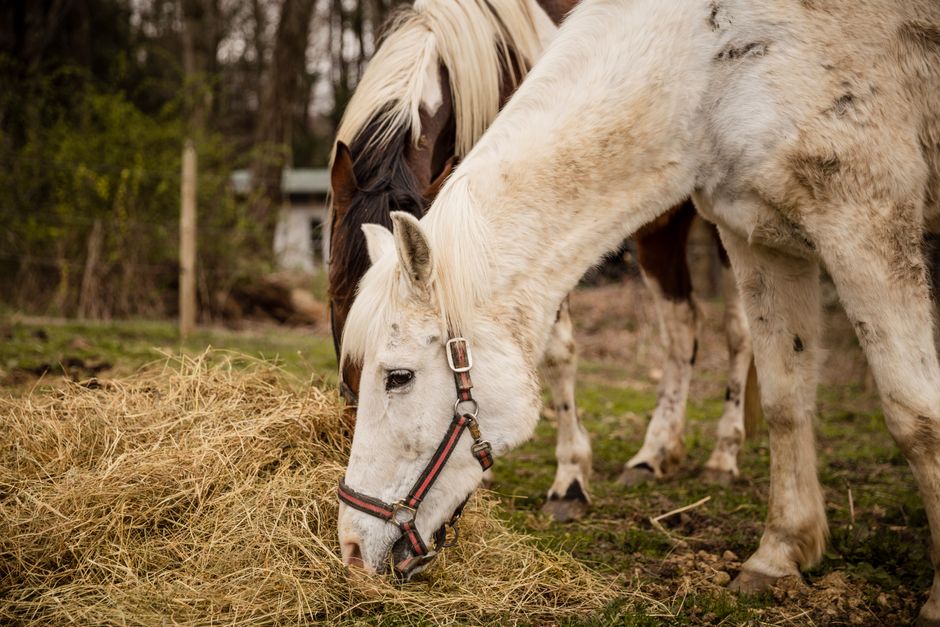
Multiple factors can trigger laminitis, including metabolic disorders, grain overload, systemic illness, excessive weight bearing on one limb, or toxin exposure. Insulin resistance and equine metabolic syndrome have emerged as primary underlying causes in many cases.
Early signs include reluctance to move, shifting weight between feet, increased digital pulse, and heat in the hooves. The classic founder stance involves extending the front feet forward while rocking back onto the heels. Advanced cases show obvious lameness and may demonstrate a painful, shuffling gait.
Emergency treatment focuses on pain management, anti-inflammatory therapy, and mechanical support for the compromised structures. Specialized comfort pads provide crucial support during the acute phase and recovery period. Long-term management requires addressing underlying metabolic issues, careful dietary control, and ongoing farrier support.
The prognosis depends largely on the severity of rotation or sinking and how quickly treatment begins. Early intervention significantly improves outcomes, while delayed treatment may result in permanent lameness or necessitate euthanasia in severe cases.
Preventive Care and Daily Management
Prevention remains the most effective approach to maintaining hoof health and avoiding serious diseases. Daily hoof care routines should include thorough cleaning, inspection for heat, swelling, or discharge, and assessment of digital pulses. Regular farrier visits every six to eight weeks help maintain proper hoof balance and identify potential problems early. For comprehensive advice, check out Equine Hoof Health Tips for Owners.
Environmental management plays a crucial role in disease prevention. Providing well-drained areas, maintaining clean, dry bedding, and ensuring adequate turnout supports natural hoof function. Proper nutrition, including balanced minerals and vitamins essential for hoof growth, contributes to overall hoof quality.
Daily application of quality hoof conditioners helps maintain optimal moisture balance and flexibility. Natural hoof care products that nourish and protect can prevent many common problems while supporting the hoof's natural defense mechanisms.
Regular exercise promotes healthy circulation and natural wear patterns, while proper shoeing or trimming maintains mechanical balance. Monitoring body weight and managing metabolic risk factors helps prevent laminitis and related complications.
When to Seek Professional Help
While many hoof care tasks can be performed by knowledgeable horse owners, certain situations require professional intervention. Persistent lameness, rapid changes in hoof appearance, signs of systemic illness, or failure to respond to initial treatment warrant veterinary evaluation.
Establishing relationships with qualified farriers and veterinarians before problems arise ensures rapid access to expertise when needed. Regular professional assessments can identify subtle changes that might escape notice during daily care routines. Learn more about proactive care with Equine Hoof Protective Measures.
Advanced diagnostic tools such as radiography, digital pulse monitoring, and specialized imaging can provide valuable information for treatment planning. Professional guidance becomes especially important when dealing with complex conditions or horses with ongoing management challenges.
The equine industry continues advancing treatment options and preventive strategies. Staying informed about current best practices and maintaining open communication with equine professionals supports optimal hoof health outcomes for horses in all disciplines and environments.
Successful hoof disease management combines vigilant daily care, prompt recognition of problems, appropriate treatment selection, and professional support when needed. With proper attention and care, most hoof diseases can be successfully treated, allowing horses to return to full activity and maintain long, productive lives.