

Best Natural Horse Thrush Treatment: Comprehensive Guide for Healthy Hooves
Horse thrush is one of the most common and persistent hoof problems facing equine owners today. This bacterial infection affects the frog and surrounding tissue, causing pain, lameness, and potentially serious complications if left untreated. While traditional chemical treatments exist, many horse owners are turning to natural remedies that offer effective healing without harsh side effects. Understanding the best natural thrush treatments can help you maintain your horse's hoof health while supporting their overall wellbeing.
Understanding Horse Thrush: Causes and Symptoms
Thrush develops when bacteria invade the frog tissue of your horse's hoof, typically in wet, dirty conditions. The infection thrives in anaerobic environments where oxygen cannot reach the affected area. Common causes include prolonged exposure to moisture, poor stable hygiene, infrequent hoof cleaning, and compromised immune systems.
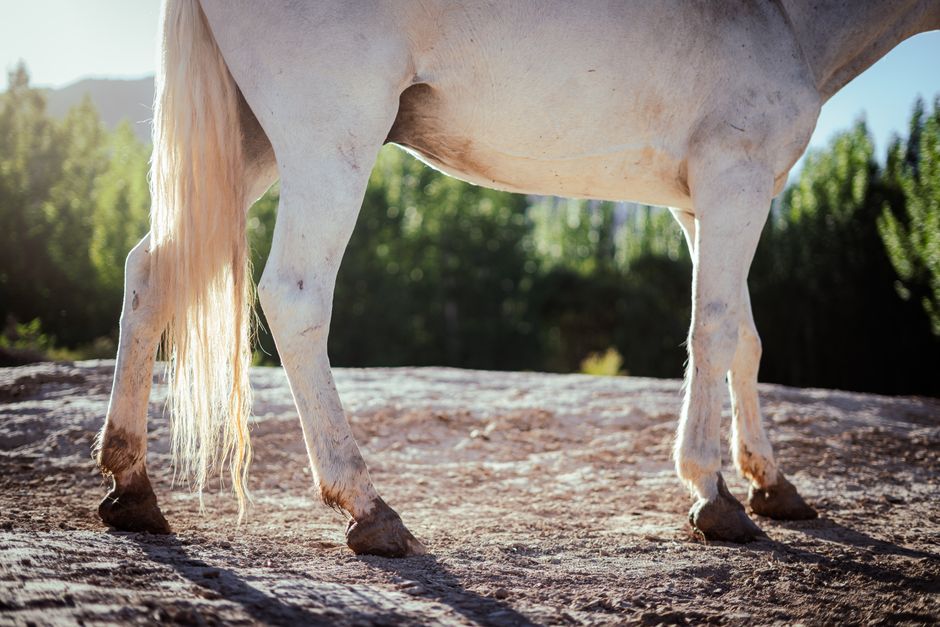
Recognizing thrush symptoms early is crucial for effective treatment. Look for these warning signs:
- Black, tar-like discharge with a distinctive foul odor
- Soft, deteriorating frog tissue
- Sensitivity when pressure is applied to the frog
- Deep crevices or cavities in the frog
- Lameness or reluctance to bear weight on the affected hoof
The infection can progress from superficial tissue damage to deeper structures, potentially affecting the digital cushion and causing permanent lameness. Early intervention with natural treatments can prevent complications while promoting healthy hoof regeneration.
Top Natural Thrush Treatment Options
Natural thrush treatments work by creating an environment hostile to bacterial growth while supporting the body's healing processes. These remedies often prove more effective than harsh chemicals because they address underlying causes rather than just masking symptoms.

Apple Cider Vinegar stands as one of the most accessible natural treatments. Its acidic properties create an inhospitable environment for thrush bacteria while promoting healthy tissue growth. Mix equal parts apple cider vinegar and water, then apply daily to clean, dry hooves using a spray bottle or cotton balls.
Tea Tree Oil offers powerful antifungal and antibacterial properties. However, this potent essential oil must be diluted properly to avoid tissue irritation. Combine two to three drops of tea tree oil with a carrier oil like coconut oil, then apply to affected areas twice daily.
Iodine Solutions provide effective antimicrobial action while being gentler than commercial chemicals. White iodine, in particular, penetrates deep into hoof tissue without causing excessive drying. Apply directly to clean hooves using a small brush or cotton swab.
Copper Sulfate Paste creates a highly alkaline environment that bacteria cannot survive in. Mix copper sulfate powder with petroleum jelly to create a thick paste, then pack into infected crevices. This treatment requires careful application and should be used sparingly.
Advanced Natural Treatment Protocols
Professional-grade natural treatments often combine multiple active ingredients for enhanced effectiveness. These formulations leverage decades of farrier expertise to address thrush comprehensively while supporting long-term hoof health.
Many master farriers recommend rotation between different natural treatments to prevent bacterial resistance while targeting various aspects of the infection. This approach ensures comprehensive treatment while minimizing the risk of tissue irritation from prolonged exposure to any single remedy.
Proper Application Techniques for Maximum Effectiveness
Successful natural thrush treatment depends heavily on proper application techniques and consistency. Begin by thoroughly cleaning the affected hoof with warm water and a stiff brush, removing all dirt, debris, and loose tissue. Allow the hoof to dry completely before applying any treatment, as moisture can dilute active ingredients and harbor bacteria.

When applying liquid treatments, use a clean spray bottle or dropper to ensure precise application without cross-contamination. For paste-like treatments, pack the material firmly into affected crevices using a clean cotton swab or small brush. Always wear gloves to protect your hands and prevent spreading infection between hooves.
Treatment frequency varies depending on infection severity and chosen remedy. Mild cases may respond to once-daily applications, while severe infections might require twice-daily treatment. Monitor progress closely and adjust frequency as healing progresses.
Environmental management plays a crucial role in treatment success. Move affected horses to dry, well-ventilated areas whenever possible. Provide clean, dry bedding and remove soiled materials promptly. Consider using temporary hoof boots or pads to protect treated hooves from moisture and contamination.
Prevention Strategies for Long-Term Hoof Health
Preventing thrush recurrence requires addressing underlying risk factors and maintaining consistent hoof care practices. According to the American Association of Equine Practitioners, proper preventive care reduces thrush incidence by over 80% compared to reactive treatment approaches.
Daily hoof inspection and cleaning forms the foundation of thrush prevention. Pick out hooves at least once daily, paying particular attention to the frog area. Remove packed dirt, manure, and debris that can trap moisture and harbor bacteria.
Stable management improvements significantly impact hoof health. Ensure adequate drainage in paddocks and stalls, provide clean bedding, and remove wet spots promptly. Consider installing fans to improve air circulation in enclosed areas.
Nutrition optimization supports immune function and hoof integrity. Provide adequate zinc, biotin, and methionine through high-quality feed and supplements. Ensure consistent access to clean, fresh water to support overall health and healing processes.
Regular farrier care maintains proper hoof balance and removes diseased tissue before infections establish. Schedule trimming every six to eight weeks, or as recommended by your farrier based on your horse's individual needs.
When to Seek Professional Veterinary Care
While natural treatments prove highly effective for most thrush cases, certain situations require immediate veterinary intervention. The American Veterinary Medical Association recommends professional evaluation when infections show signs of deeper tissue involvement or systemic spread.
Seek veterinary care immediately if you observe:
- Persistent lameness despite two weeks of consistent treatment
- Swelling extending above the coronet band
- Heat in the hoof or lower leg
- Digital pulse stronger than normal
- Signs of systemic illness including fever, depression, or decreased appetite
Severe thrush infections can progress to canker, a more serious condition requiring aggressive treatment. Early professional intervention prevents complications and reduces treatment time significantly.
Veterinarians can also perform diagnostic testing to identify specific bacterial strains and determine antibiotic sensitivity when natural treatments prove insufficient. This targeted approach ensures appropriate therapy selection while minimizing treatment duration.
Monitoring Treatment Progress and Adjusting Protocols
Effective thrush treatment requires careful monitoring and protocol adjustments based on healing progress. Document treatment dates, products used, and observed changes through photographs and written notes. This information helps identify effective protocols and guides future treatment decisions.
Positive treatment responses typically include reduced odor, firmer frog tissue, decreased discharge, and improved comfort levels. Most horses show initial improvement within three to five days of consistent natural treatment, with complete healing occurring within two to four weeks for mild to moderate infections.
If improvement stalls or regression occurs, consider switching to alternative natural treatments or combining multiple approaches. Some bacterial strains develop resistance to single treatments, making rotation between different natural remedies beneficial for stubborn infections.
The University Extension Service recommends maintaining treatment protocols for at least one week beyond visible healing to ensure complete bacterial elimination and prevent recurrence.
Conclusion
Natural thrush treatment offers horse owners effective, safe alternatives to harsh chemical remedies. Success depends on early recognition, consistent application, and comprehensive management addressing both infection and underlying causes. Apple cider vinegar, tea tree oil, and professional-grade natural formulations provide excellent treatment options when applied correctly and consistently.
Remember that prevention remains more effective than treatment through proper stable management, regular hoof care, and daily inspection routines. While most thrush cases respond well to natural treatments, don't hesitate to seek professional veterinary care for severe infections or cases showing signs of deeper tissue involvement.
By combining proven natural treatments with sound management practices, you can maintain your horse's hoof health while avoiding the potential side effects associated with chemical alternatives. Consistent care and attention to detail ensure your horse maintains strong, healthy hooves capable of supporting their active lifestyle.