

Artimud for Horses: Benefits and Uses
Hoof care is one of the most important — and most overlooked — parts of responsible horse ownership. From thrush and white line disease to canker and simple dryness, the equine hoof faces constant challenges from mud, moisture, manure, and uneven footing. In recent years, more and more owners and farriers have started asking about Artimud for horses: what it is, how it works, and whether it deserves a place in the barn's hoof-care toolkit. This guide explains what Artimud is, how it fits into a broader hoof-management routine, and how natural alternatives from Outlaw Horse Products compare.
What Is Artimud for Horses?
Artimud is a topical hoof-care paste used on horses to help manage bacterial and fungal conditions in the hoof, particularly around the frog, central sulcus, and white line. It is typically a clay-based dressing blended with naturally occurring antimicrobial ingredients such as zinc oxide, tea tree oil, and other botanical or mineral components. The goal is straightforward: pack the hoof's vulnerable crevices with a substance that supports a healthier environment while keeping dirt, urine, and manure out of the area.
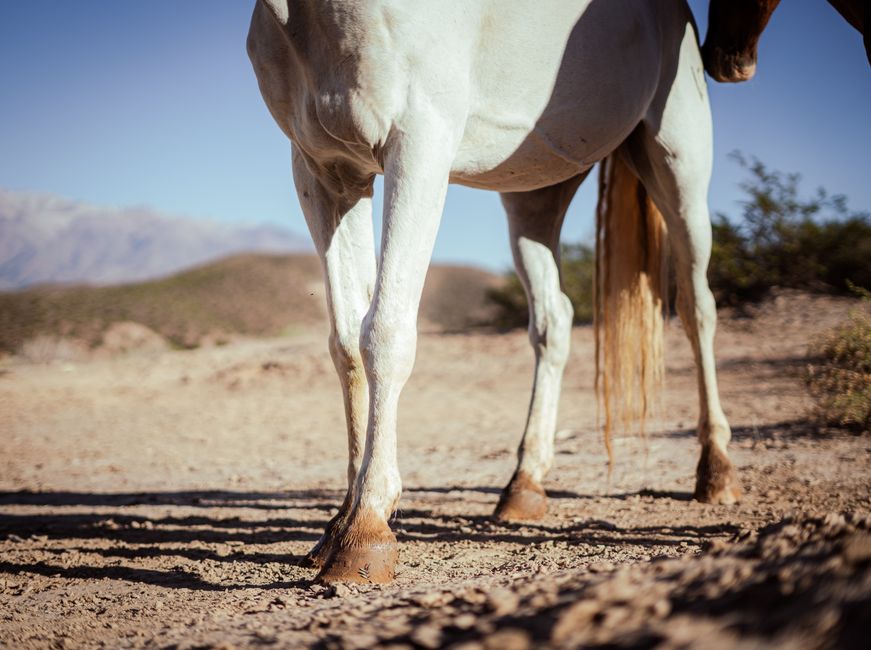
Because the hoof is constantly exposed to wet, contaminated ground, the frog and sole can easily become a breeding ground for the anaerobic bacteria that cause thrush. A paste-style product like Artimud is designed to adhere to the hoof, stay put through turnout, and deliver active ingredients directly to the affected tissue.
Common Forms and Ingredients
- Clay-based pastes that pack into the central sulcus and collateral grooves
- Zinc oxide, which supports tissue and helps protect against moisture
- Tea tree oil and other botanicals with natural antimicrobial properties
- Beeswax or oils that help the product stick to the hoof and resist washing away
Not all products marketed for hoof crevices are identical. Some are drying agents, some are barrier dressings, and others act primarily as antimicrobial treatments. Knowing what each product is designed to do prevents wasted money and missed results.
How Artimud Fits Into Equine Hoof Care
Healthy hooves are a combination of good nutrition, consistent trimming, clean footing, and early intervention when problems start. According to the CDC's physical activity guidance, movement and activity support overall health in humans — and the same principle applies to horses, where consistent, species-appropriate movement stimulates circulation to the hoof and supports natural wear and growth.

When movement is limited by stall confinement or when footing stays wet for weeks at a time, the hoof's defenses weaken. That is where a hoof-specific dressing like Artimud can help fill the gap between trimming appointments, and following a structured equine hoof management plan keeps the whole routine on track. A typical routine might look like this:
- Clean the hoof thoroughly. Pick out the sole and frog, and scrub away packed dirt and debris.
- Assess the tissue. Look for black, foul-smelling discharge (thrush), chalky or crumbly white line, or sensitive, proliferating tissue (canker).
- Apply the treatment. Pack the product into the central sulcus, collateral grooves, and any affected areas.
- Repeat consistently. Most hoof conditions improve with daily or every-other-day application plus dry, clean footing.
Consistency matters more than any single product. A hoof dressing applied once will rarely resolve an established infection; a simple daily routine almost always will.
Ingredients to Look For (and Why They Matter)
Understanding the active ingredients in a hoof dressing helps you choose the right tool. Common components include:

- Zinc oxide — a mineral widely used in skin-protection products; it helps support tissue and acts as a physical barrier against moisture.
- Tea tree oil — a plant-derived oil with natural antimicrobial activity, frequently used in equine hoof and skin preparations.
- Natural clays and waxes — carriers that help a paste stay in the crevices of the hoof rather than washing out with the first rainfall.
- Nourishing oils — ingredients that condition the hoof wall and sole to reduce cracking and brittleness.
The American College of Sports Medicine emphasizes that structured, consistent care supports performance and recovery — and the same logic applies to equine athletes, whose hooves absorb enormous forces during work. Products that support hoof integrity complement a broader performance-management approach.
Artimud vs. Other Hoof Products
Artimud is often compared with medicated pastes, hoof oils, and farrier-recommended treatments. Each category serves a different purpose:
- Antimicrobial pastes treat active infections such as thrush and canker.
- Hoof conditioners and oils support moisture balance and help prevent cracking of the hoof wall.
- Barrier dressings protect the sole and frog from constant moisture exposure.
- Custom pads and support devices help horses with laminitis, thin soles, or founder-related discomfort.
Many horse owners ultimately combine several approaches — treating the infection first, then supporting the hoof's long-term condition with a nourishing product. A good example is Outlaw Nourish Natural Hoof Conditioner, which is designed to rebuild strength and restore flexibility in dry, cracked hooves after antimicrobial issues have been addressed.
Choosing the Right Hoof Care for Your Horse
Whether or not you choose Artimud, the decision should be based on your horse's specific condition. Ask yourself:
- Is the problem bacterial, fungal, mechanical, or nutritional? Thrush and canker respond to antimicrobial dressings; thin soles often need pads and support.
- Is the hoof wet or dry? Drying agents help in wet conditions, while conditioners help in dry climates and during stall confinement.
- What does your farrier recommend? Farriers see hundreds of hooves per year and can usually identify a problem before it becomes severe.
- Is the rest of the routine in place? Clean, dry footing, regular trimming, balanced nutrition, and exercise are the foundation of every hoof-care plan.
For owners dealing with active thrush or white line issues, a targeted treatment is usually the right starting point. Products such as Outlaw Thrush Stuff™ are formulated for severe central sulcus and white line thrush, while Outlaw Hoof Canker Care for Horses addresses proliferative pododermatitis (canker). For horses with laminitis or founder-related soreness, the Outlaw Laminitis Founder Hoof Comfort Pad provides targeted support.
Nutrition and Movement Support Hoof Health
Topical treatments work best when the horse's systemic needs are met. Biotin, zinc, and high-quality protein support hoof growth, while consistent exercise stimulates circulation. The ACE Fitness exercise library is a useful reminder of how structured movement supports tissue health and recovery in general — and for horses, turnout and controlled exercise play the same role. No paste can substitute for basic management.
Safety and Application Tips
Even natural hoof products should be used thoughtfully, and pairing them with the right tools makes application easier:
- Wear gloves when applying pastes, especially those containing oils or zinc.
- Don't apply to broken or bleeding tissue unless a veterinarian advises it.
- Store per label instructions to preserve the product's consistency and effectiveness.
- Monitor progress weekly and photograph the hoof so you can see subtle changes.
- Call your veterinarian if lameness, swelling, or a foul odor worsens. Canker in particular requires veterinary involvement alongside topical care.
For horses that resist treatment — a common problem with strongly scented pastes — a taste enhancer can make the process easier. Products such as Outlaw Medi-Done™ Taste Flush are used by owners and veterinarians to help horses accept oral medications more readily, which can simplify a broader treatment plan.
Conclusion
Artimud for horses is a hoof-care paste in the family of clay-based, antimicrobial dressings used to manage thrush, white line issues, and other crevice-related conditions. It can be a useful tool, but it works best as part of a complete program: clean dry footing, regular farrier care, adequate movement, and a targeted treatment matched to the actual diagnosis. Owners who want to go deeper into the details of these conditions can explore further reading on thrush and hoof repair.
Owners who prefer natural, high-performance hoof care have strong alternatives to consider. Blacksmith Shop and Outlaw Horse Products builds on more than 40 years of master farrier expertise to create treatments for thrush, canker, and general hoof nourishment — products designed to rebuild strength, restore flexibility, and protect hooves from damage. Whether you are managing a single horse with chronic thrush or running a barn full of performance horses, matching the right product to the right condition remains the foundation of good hoof health in 2026.